
ERBIL, Kurdistan Region - Tribal leaders and prominent community figures in Iraq's southeastern Maysan province on Monday urged Prime Minister Ali al-Zaidi to reopen the Sheeb border crossing with Iran, warning that its closure has driven up prices and threatened thousands of livelihoods.
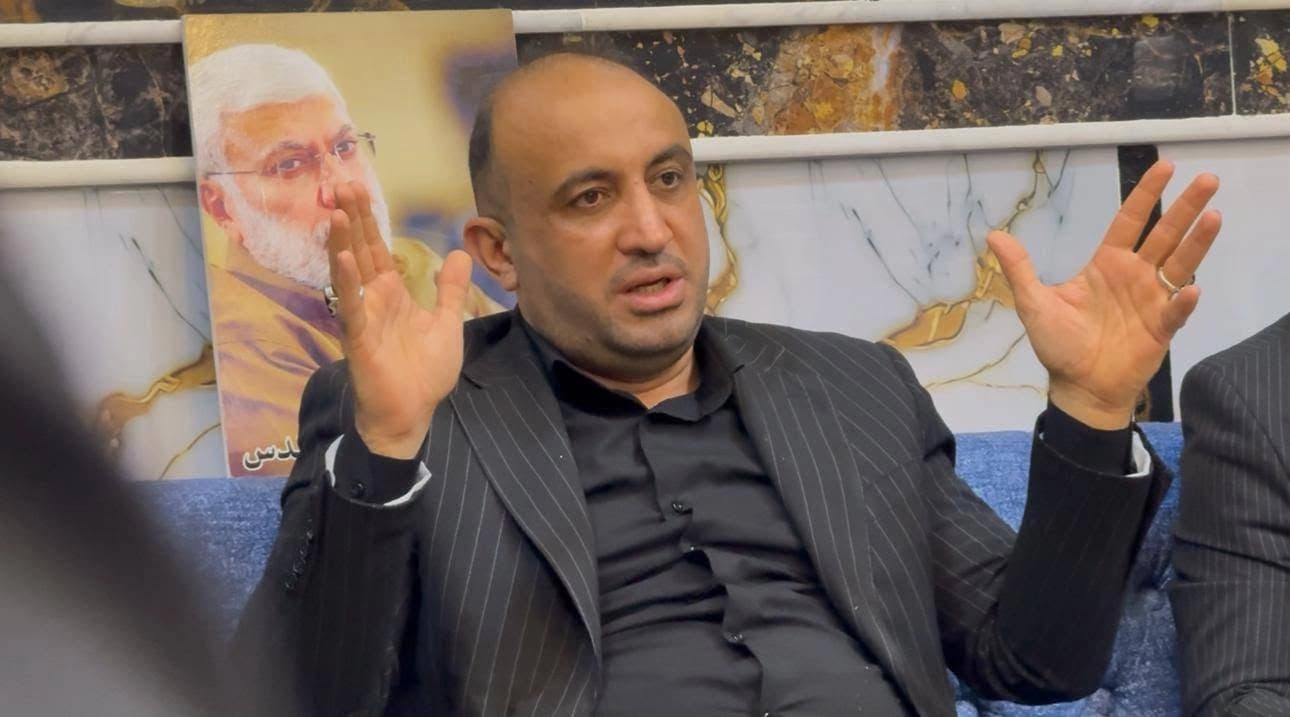
Speaking at a press conference by tribal leaders, Saif al-Araibi, an adviser to the head of Maysan’s Provincial Council for tribal affairs, said the sudden closure had "caused an increase in the prices of food and agricultural products and placed an additional burden on the people of Maysan."
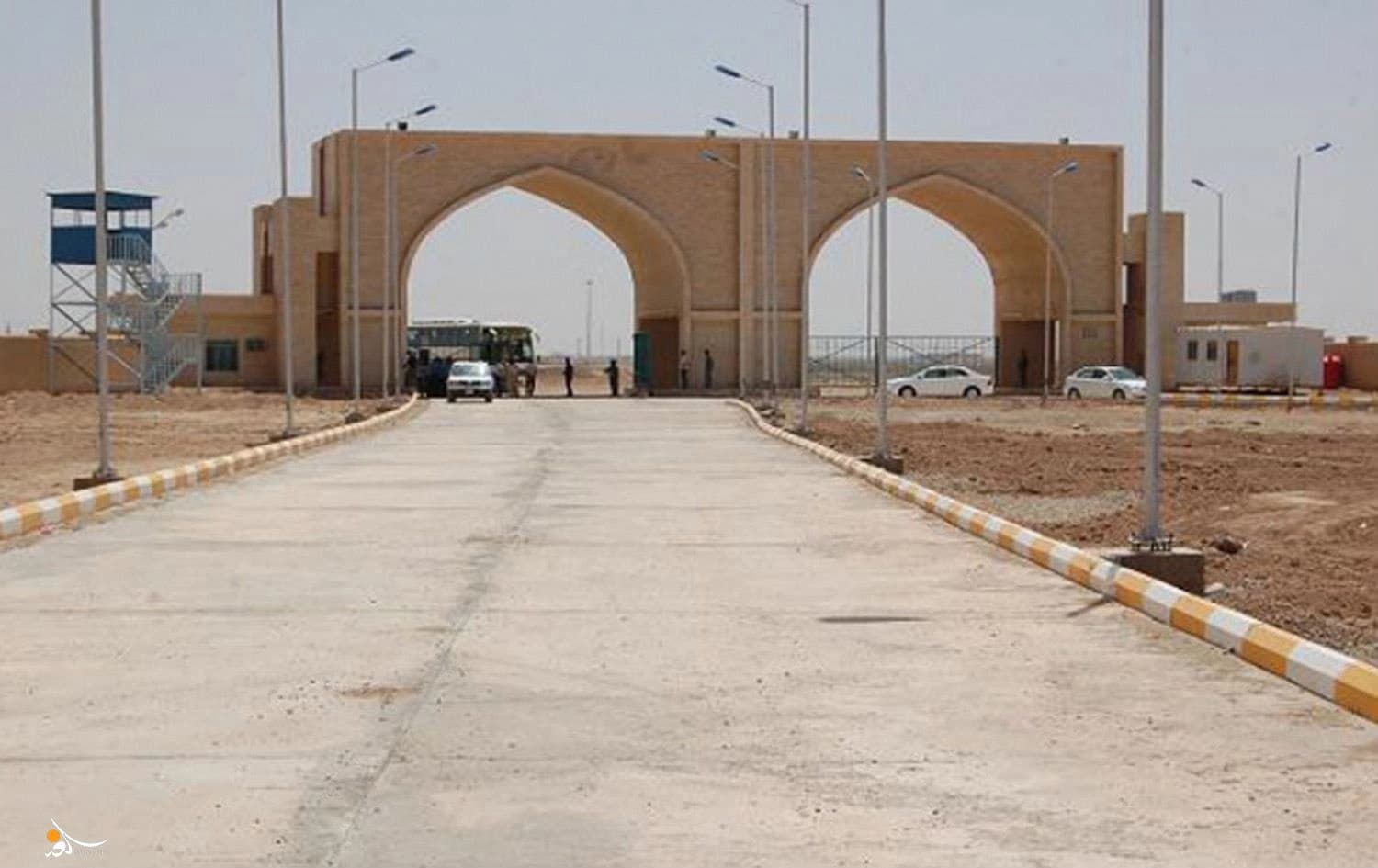
Sheeb, known as Chazabeh in Iran, is a key commercial and passenger crossing between the two countries. Iraqi authorities closed it on Wednesday, citing shortcomings in its technical and logistical readiness.
The decision sparked protests by truck drivers and drew criticism from local officials, who warned of serious economic repercussions for the province.
Maysan provincial council chief Mustafa Daeer Mohammedawi threatened to block major roads connecting the province to the rest of Iraq unless the crossing was reopened by Thursday.
On Monday, an Iraqi court issued an arrest warrant for Mohammedawi over threats of "civil disobedience" following a complaint filed by Zaidi's office. He was briefly detained on Tuesday, according to his office.
The provincial council defended Mohammedawi's remarks, saying they had "contributed to resolving the crisis and ending the demonstrations," as they came "amid the escalation of the protesters' anger and in line with their demands, in an effort to contain the situation."
The tribal leaders also called for the arrest warrant against Mohammedawi to be revoked.
One tribal representative urged the prime minister to reopen the crossing "out of consideration for the people of Maysan and in support of the province's development."
Another condemned the closure, saying it had "cut off the livelihoods of thousands of people" who depend on cross-border trade and related economic activities.
Ahmed Kamil, a shopkeeper near the crossing, told Rudaw's Shko Omar on Monday that "prices have risen in the markets, and everything has become expensive," arguing that the resumption of Iranian imports would help bring prices down.
Hassanein Rahim, a representative of truck drivers, expressed frustration over the sudden closure.
"What are we supposed to do? Where can we go?" he asked, stressing that affected workers have families to support.
Government spokesperson Haidar al-Aboudi told the state-owned Iraqi News Agency (INA) that the crossing lacked "technical, technological, and developmental preparedness," adding that authorities were working to prepare it for the resumption of trade with Iran.
The closure has also sparked a diplomatic dispute, with Iranian officials accusing Baghdad of failing to notify Tehran in advance.
Iran's embassy in Baghdad separately rejected allegations by Abdul Amir Hassan Ali al-Taiban, an adviser to Zaidi, linking cross-border activity to the smuggling of narcotics and other prohibited goods.