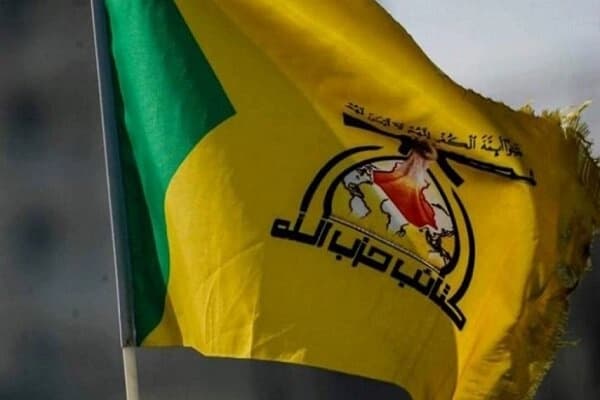

ERBIL, Kurdistan Region - Iran-aligned faction Kataib Hezbollah on Sunday rejected allegations of organized oil smuggling in the town of Jurf al-Nasr in Iraq’s Babil province, saying a technical committee that inspected the area “did not find any encroachment on oil pipelines.”
The denial comes amid a widening rift between Prime Minister Ali al-Zaidi's government and Kataib Hezbollah - one of Iraq’s most powerful factions - over the latter’s refusal to disarm as Baghdad tightens its crackdown on oil smuggling and illicit economic activity.
A confidential report surfaced last week alleging smuggling activity in the group’s stronghold just south of Baghdad, prompting investigations backed by Zaidi.
In a telegram statement published by Kaf, affiliated with the Islamic Resistance in Iraq, the group described the smuggling allegations as “fabricated claims” that “cannot withstand the truth on the ground.”
The technical committee “found no tampering with the oil pipelines passing through it,” the group stated, adding that the inspection documented only fuel storage tanks and a small facility used to improve fuel quality, insisting that the installations were intended to supply military vehicles, heavy machinery, diesel generators and other equipment.
The group said the facility helped address shortages and disruptions in fuel supplies to a sensitive military sector extending from northern Babil to al-Qaim, near the Iraqi-Syrian border. It described the operation as “successful” in securing the needs of forces responsible for protecting the area.
It also said the facility's storage tanks were “visible and close to the roads used by visitors and security forces,” adding that they were located more than 5,000 meters from the oil pipeline.
The group alleged that Zaidi's office had circulated “fabricated reports” through Emirati, Saudi and various local television channels and maintained that the issue of resistance weapons “remain outside political conflict,” despite mounting pressure from the US, Saudi Arabia and the United Arab Emirates.
The faction also accused some media outlets of publishing manipulated photographs of a fuel tank and falsely presenting them as material documented by the technical committee.
Kataib Hezbollah has refused to surrender its weapons under Iraqi Prime Minister Ali al-Zaidi’s state disarmament campaign, triggering a major political and security standoff spreading beyond weapons to government contracts, alleged illicit economic activities, and competing accusations of financial wrongdoing.
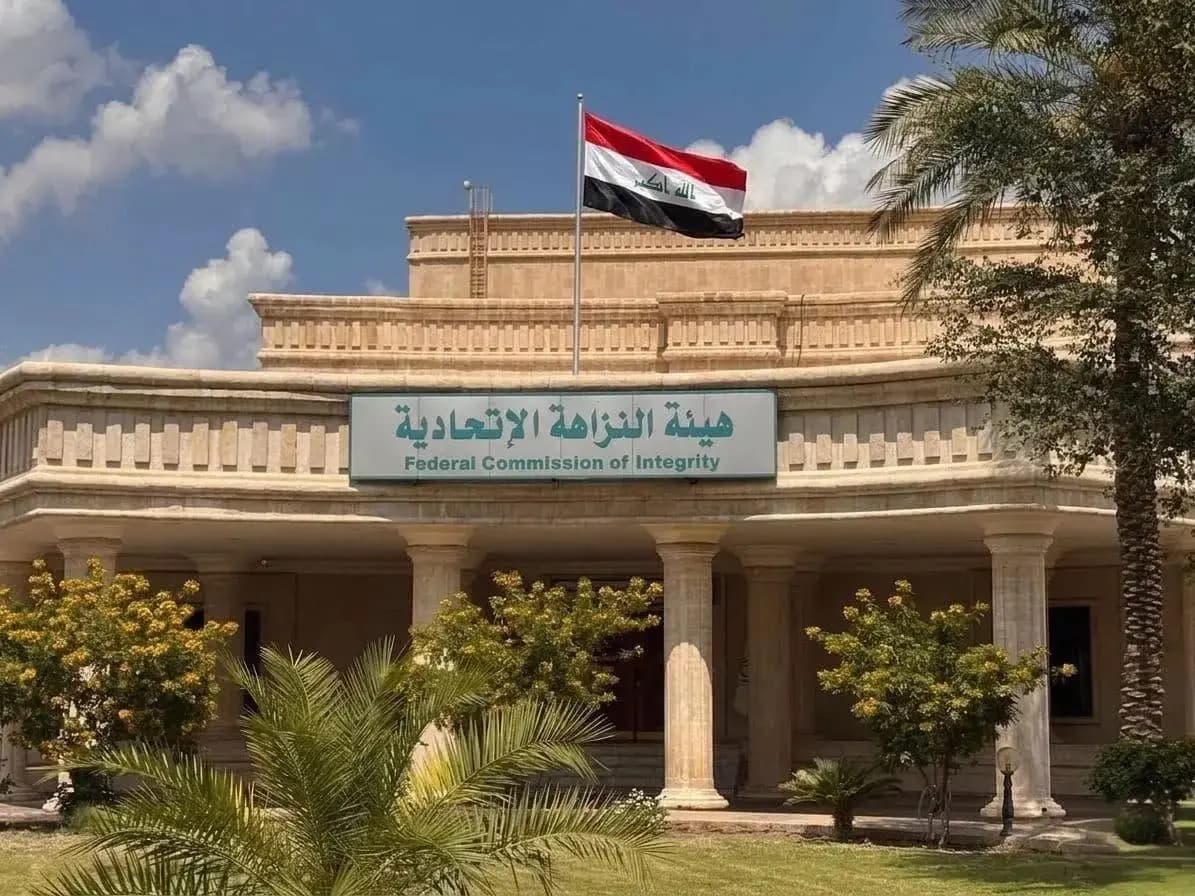
The dispute comes as Iraq's Federal Commission of Integrity reported on Sunday that it had registered 228 criminal cases and reports concerning suspected oil smuggling between 2024 and 2026. Of the 152 criminal cases, 53 remain under investigation, while 11 have been referred to the courts, according to the state-run Iraqi News Agency.
Separately, Parliament Speaker Haibat al-Halbousi has ordered a temporary parliamentary committee to investigate allegations of oil smuggling from Kirkuk and the Kurdistan Region through Iran to Afghanistan.
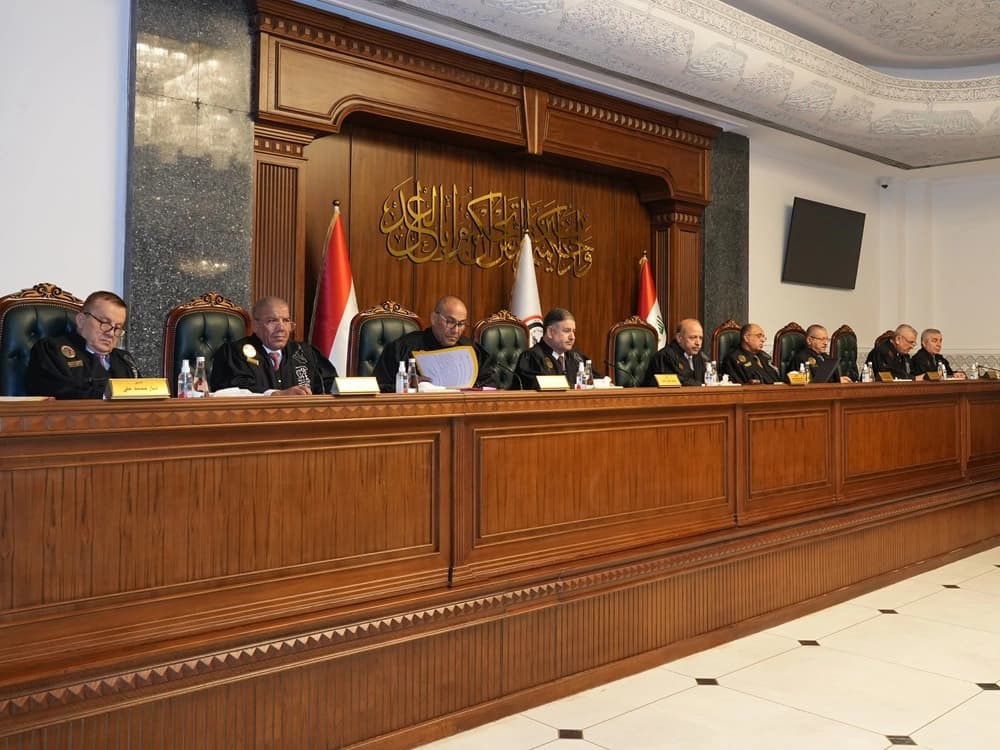
On Saturday, Zaidi dismissed nine senior security and administrative officials following the Jurf al-Nasr investigation and ordered all suspects allegedly involved in the smuggling operations to be referred to the judiciary.