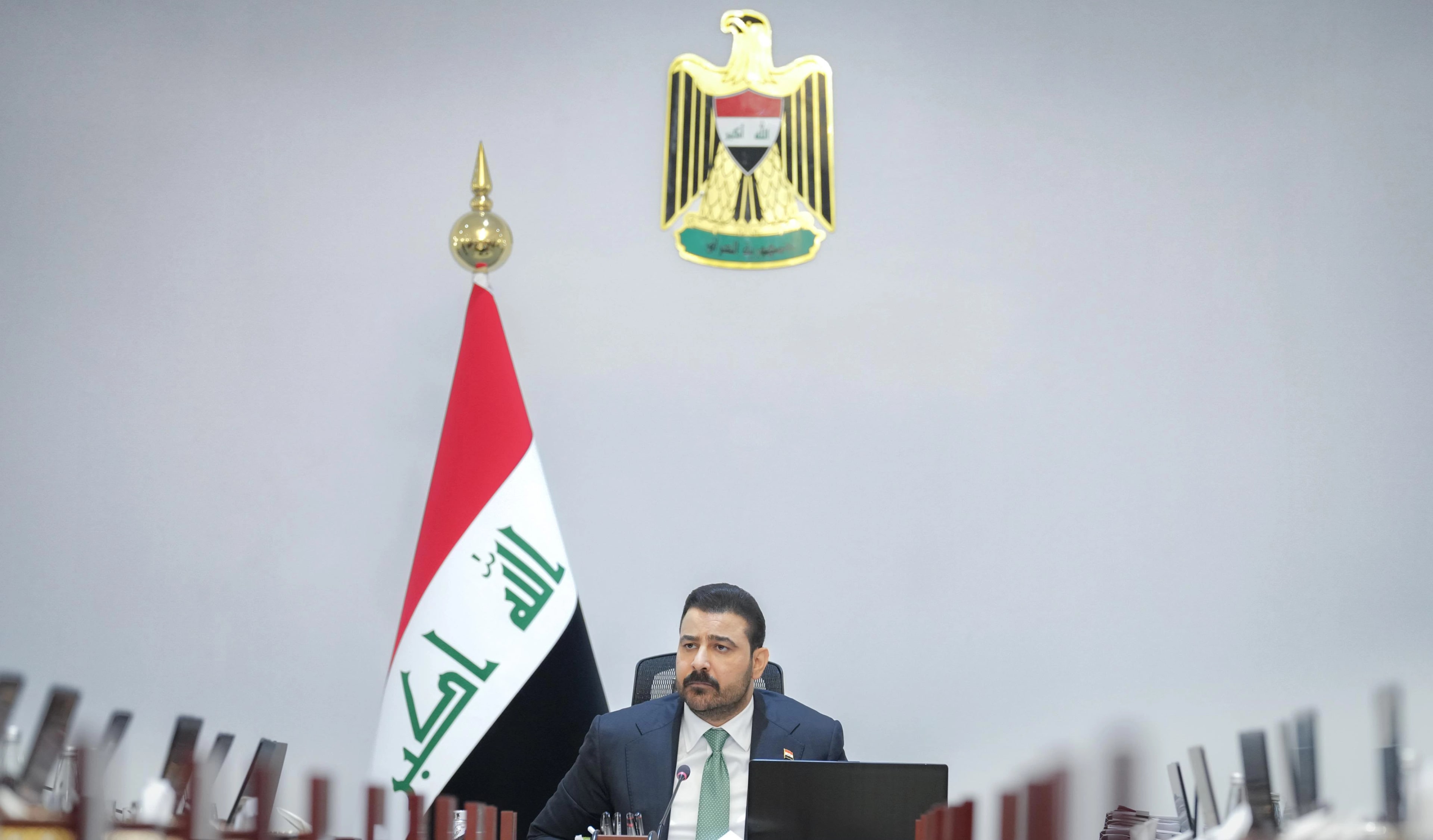

ERBIL, Kurdistan Region - Iraqi Prime Minister Ali al-Zaidi on Tuesday ordered federal authorities to take over all border crossings in the Kurdistan Region and manage oil ministry fields under Kurdish security control in Kirkuk, Nineveh, Diyala and Salahaddin provinces.
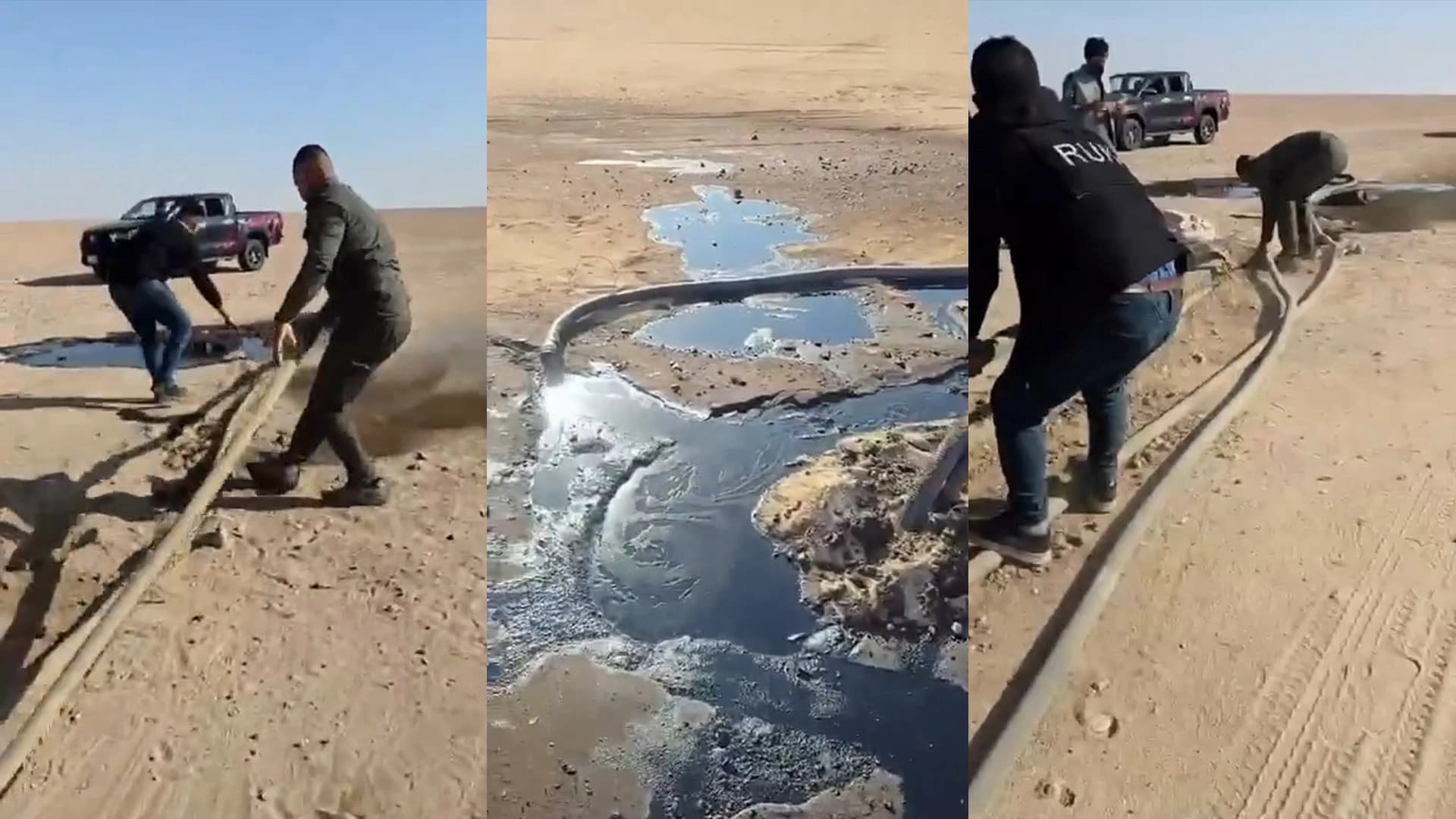
Zaidi instructed the Kurdistan Regional Government (KRG) “not to grant approvals for the export of crude oil and petroleum products except through the federal Oil Ministry,” his military spokesperson, Sabah al-Numan, said in a statement following an investigation into suspected oil smuggling at the state-owned North Oil Company.
The federal Border Ports Authority is to take charge of the Region’s crossings. The oilfield order covers fields that Baghdad identifies as ministry-owned within the administrative boundaries of the four provinces. Numan did not name individual fields. Zaidi also ordered Iraq’s Energy Police to secure oilfields across the country and monitor them by camera, including those under Kurdish security control.
Baghdad already oversees Kurdish crude exports through Turkey, with the proceeds going to the federal treasury, according to the KRG’s natural resources ministry. Tuesday’s orders go further, directing federal agencies to take responsibility for operating and guarding fields where Kurdish forces provide security, as well as for the crossings through which the Region trades with its neighbors.
A senior Kurdish source told Rudaw on Sunday that Kurdish leaders had rejected proposals from Baghdad for broader federal control of the Region’s oil sector and the deployment of Iraqi army units along its international borders. The KRG confirmed that oil and border crossings were discussed during Popular Mobilization Forces (PMF) Chairman Falih Fayyadh’s visit to Erbil on Saturday, but dismissed media accounts of the talks as unfounded.
Under Tuesday’s directives, Iraq’s Border Forces Command is to close unofficial crossings along the country’s international borders, including those in the Kurdistan Region. Zaidi tasked the first and second joint brigades with closing informal routes connecting the Region to the four provinces.
Oil Ministry staff, Energy Police and national security personnel are to be stationed at checkpoints on the approaches to Sulaimani, Erbil and Duhok, where new laboratories will test petroleum products bound for the three provinces. Zaidi also ordered nationwide rules for moving petroleum products, electronic meters at every operating oil well and a digital system to monitor pipelines for theft.
The industry ministry has six months to relocate oxidized asphalt and naphtha plants operating outside federal security control in the four provinces to other sites within the same provinces.
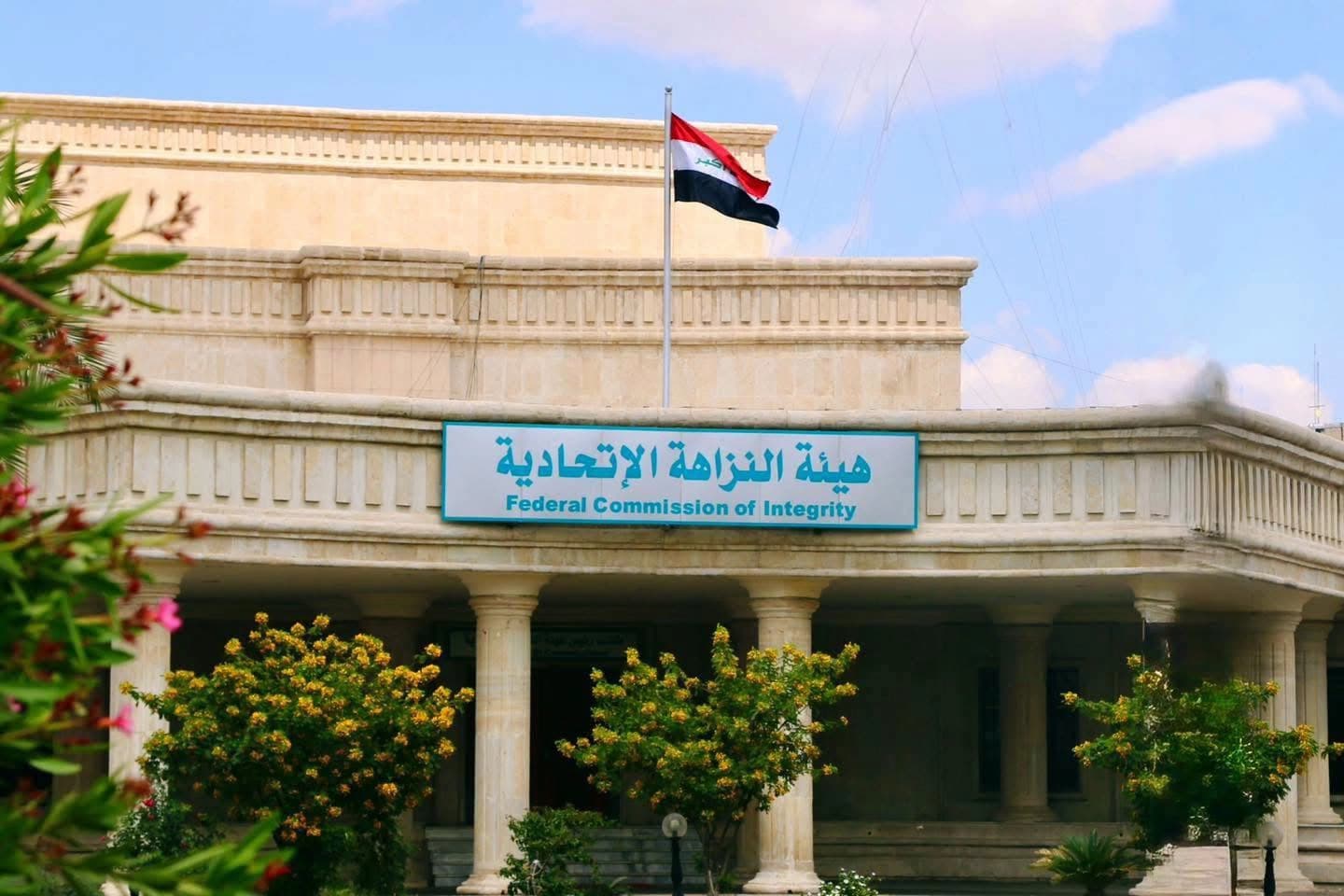
Zaidi referred the case to the judiciary. The Federal Commission of Integrity is to establish how much petroleum product was exported through the Region’s crossings, investigate failures to carry out laboratory tests and check whether the Bazian refinery in Sulaimani and KAR refinery in Erbil received the volumes of crude the Oil Ministry recorded as supplying them.
Investigators will also examine North Oil Company’s sales contracts with al-Mihwar al-Fidhi and other firms, factory licenses and payments to civilian pipeline guards who, according to the statement, were not present. Zaidi suspended the company’s director general and deputies pending investigation, removed the federal border authority chief and dismissed Kirkuk’s police and operations commanders.
The orders follow a crackdown that saw Iraqi forces enter Jurf al-Sakhr, a longtime Kata’ib Hezbollah stronghold, on Friday after allegations of oil theft that the group denies. A Najaf court issued arrest warrants for a provincial council member and his brother the following day over a breached pipeline. Government spokesperson Haider al-Aboudi had said federal troops could also enter parts of the Kurdistan Region as part of the campaign.
The fields have different histories. Erbil has controlled Khurmala, the northernmost part of the Kirkuk field, since 2007. Kurdish forces took control of Bai Hassan and Kirkuk’s Avana dome during the Islamic State (ISIS) advance in 2014. Baghdad retook both in 2017. The audit also lists Tawke, where Norway’s DNO drilled its discovery well in 2006 under a contract signed with Erbil in 2004.
Iraq still lacks a federal oil and gas law. Article 112 of its 2005 constitution provides for Baghdad and producing regions and provinces to jointly manage oil and gas extracted from “present fields.” Erbil argues that fields discovered after 2005 fall under its authority. Iraq’s Federal Supreme Court struck down the KRG’s oil law in 2022 and ordered it to hand over its entire oil production to the federal ministry. Erbil rejected the ruling.
Last updated at 11:17 am.