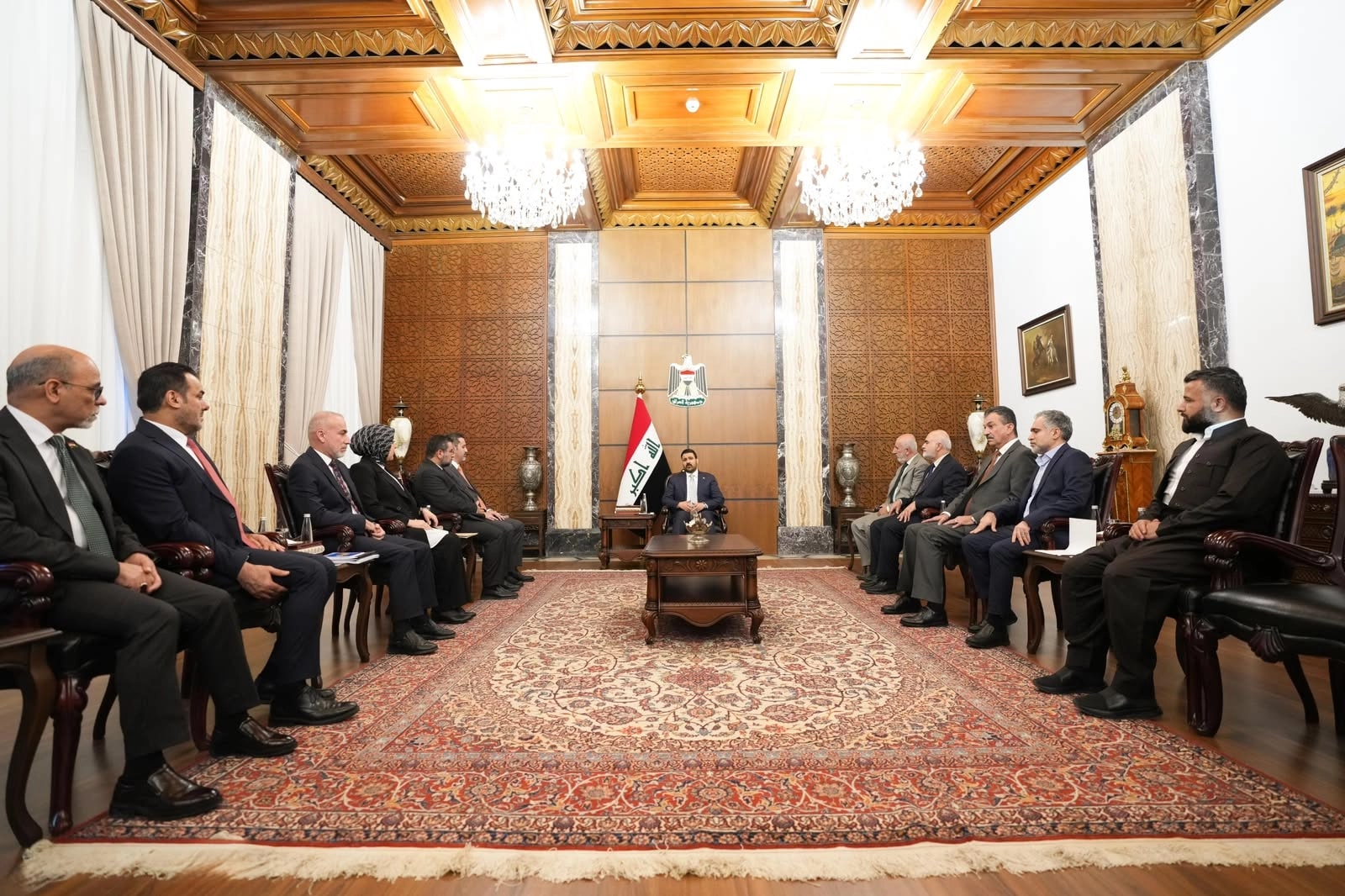

ERBIL, Kurdistan Region - Three Kurdish opposition parties with representatives in the Iraqi parliament on Thursday presented a four-point “reform” initiative to Iraqi Prime Minister Ali al-Zaidi aimed at resolving escalating disputes between Erbil and Baghdad.
“We categorically reject all forms of smuggling, illicit commissions, customs evasion, and unlawful practices at border crossings and oil fields in the [Kurdistan] Region and across the rest of Iraq,” the Kurdistan Islamic Union (KIU), Kurdistan Justice Group (Komal) and National Stance Movement (Halwest) said in their written initiative following their meeting with Zaidi in Baghdad.
The blocs stated that disputes between the federal government and the Kurdistan Regional Government (KRG) cannot be settled through military escalation, imposing realities by force, or continued smuggling and evasion of oversight, but rather “by building a transparent constitutional partnership that prevents waste and corruption on both sides.”
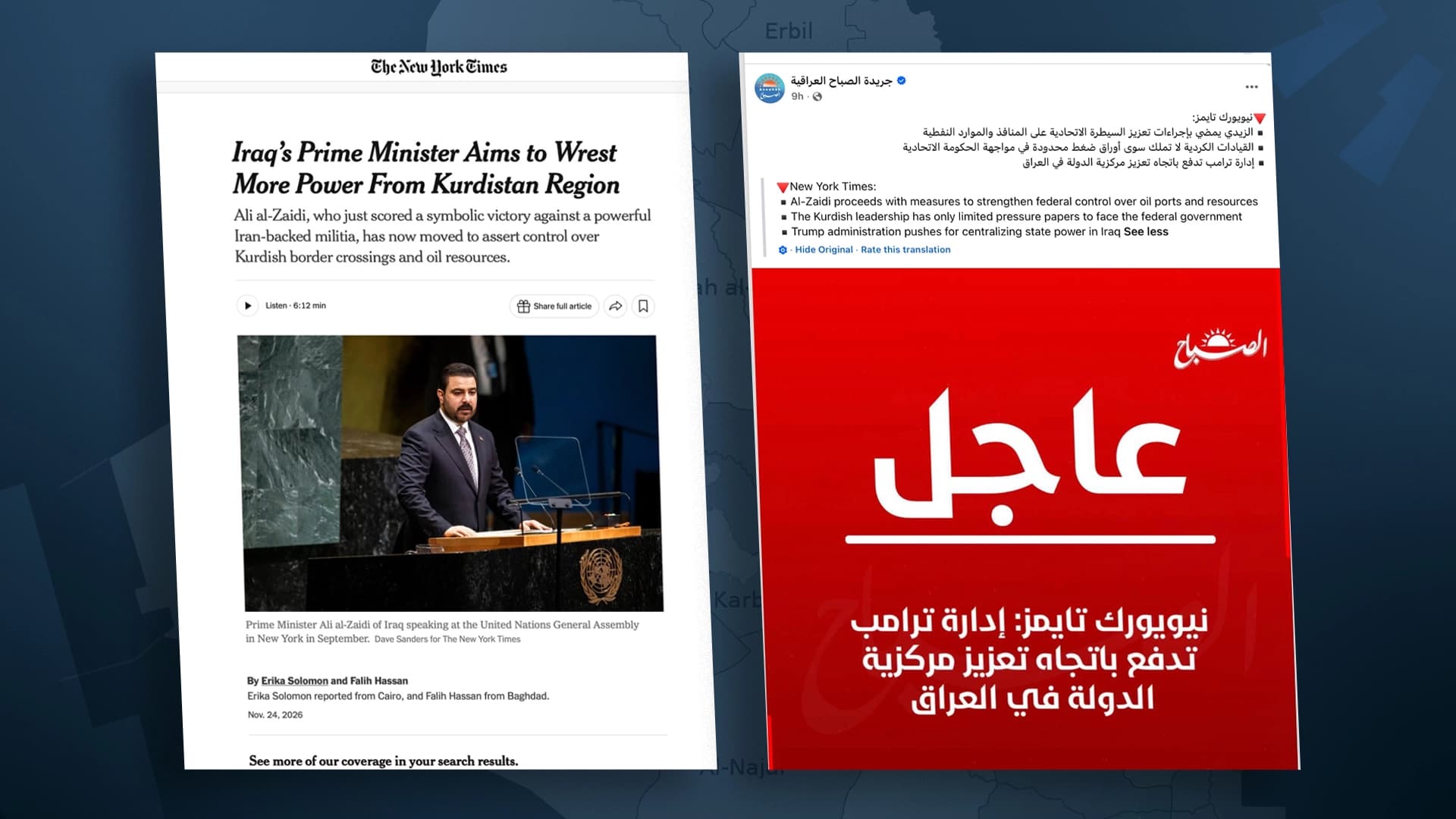
The initiative comes days after Zaidi ordered federal authorities to exert control over oil fields across Nineveh, Kirkuk, Diyala, and Salahadin provinces. Some of the fields are protected by Kurdish security forces. Zaidi also “instructed” the KRG to halt oil exports unless approved by the federal oil ministry.
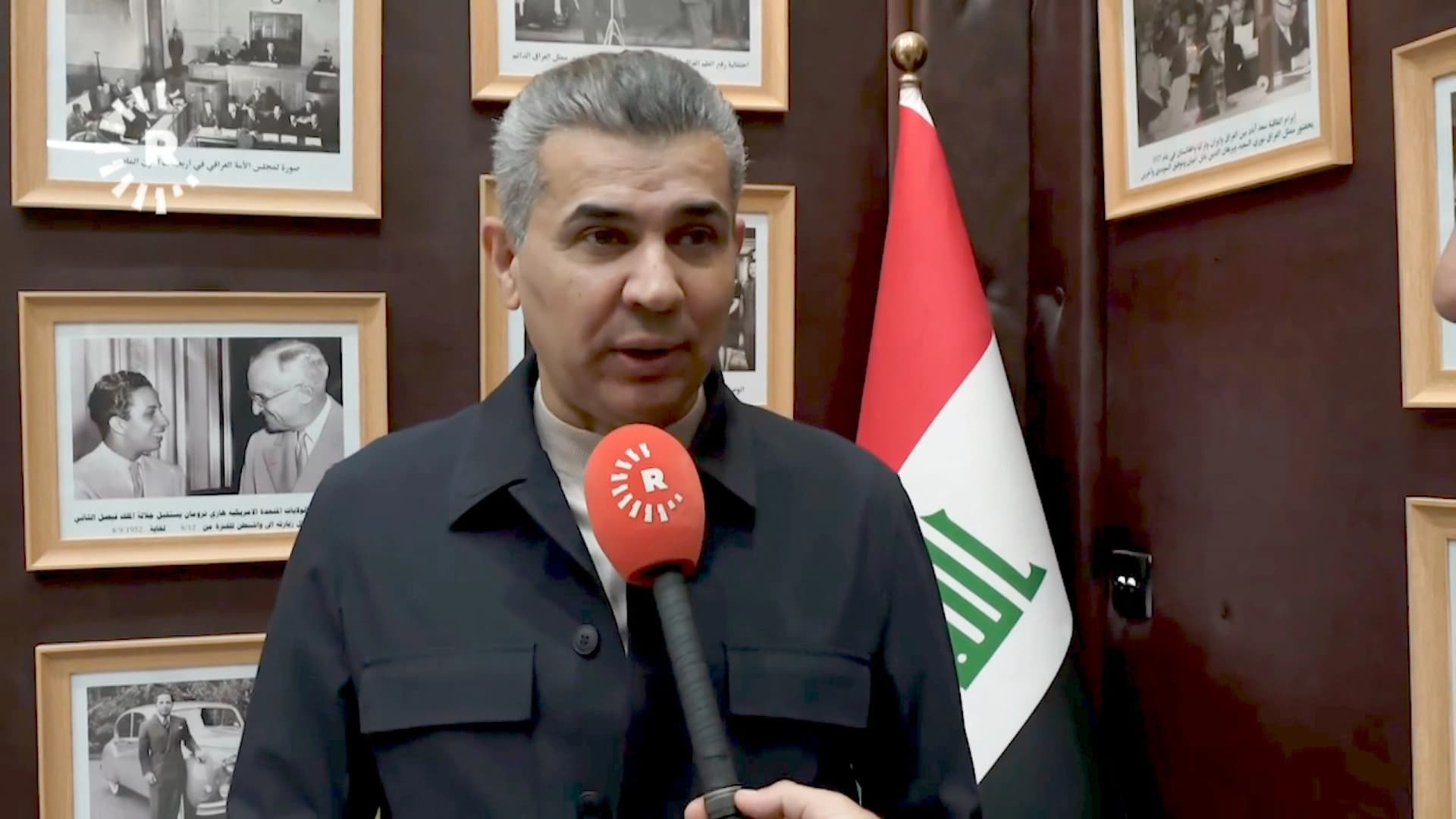
Demonstrations broke out across several cities of Kurdistan Region on Thursday over what Kurdish leaders view as Baghdad’s violation of constitutional rights. Ahead of the meeting, KIU parliamentary bloc head Muthanna Amin told Rudaw that the delegation would listen to the prime minister’s views while presenting their own proposals.
Under the first point of the initiative, the blocs called for full and non-selective adherence to the Iraqi constitution as the sole binding framework governing Erbil-Baghdad relations, including the implementation of Article 140 – which addresses the status of territories disputed between the two governments – and the use of national dialogue as the only means of resolving outstanding issues.
Second, they proposed a unified federal customs policy and tariff paired with joint field administration, reorganizing border crossings within two months under a joint electronic and financial oversight system, and affirming that federal Border Guard Forces secure international borders without political or internal administrative interference.
Third, the blocs urged insulating the financial entitlements of Kurdistan Region civil servants, retirees, social welfare beneficiaries, political prisoners and families of martyrs from political disputes. They also called for restricting crude oil marketing to the State Organization for Marketing of Oil (SOMO) with joint field audits, guaranteeing the Region’s fair budget share and audited operational costs in exchange for handing over oil and revenues, and providing Kurdistan Region residents with fuel and electricity at the same official prices approved across Iraq.
Fourth, the initiative proposed empowering opposition parties in the Kurdistan Region as a primary, neutral oversight body to monitor integrity and transparency in oil, border crossings and public funds, backed by federal institutional guarantees to prevent the monopolization of information or unilateral decision-making.
Zaidi’s office said in a statement that he and the three Kurdish parties “focused on developments across various sectors in the country and the importance of concerted efforts by all political and national forces to strengthen stability and support the government's implementation of development and public service plans and programs.”
He claimed that there are “those who seek to drag the Kurdish people into the oil smuggling crisis to protect their influence, wealth and private accounts from legal prosecution,” adding that “the Region’s revenues go to certain groups rather than being distributed among the Iraqi people, and that they seek to keep the country's borders riddled with security gaps.”
Iraq's Federal Supreme Court upheld Zaidi’s directives on Wednesday, prompting strong objections from Kurdish leaders, who have characterized the measures as an infringement on the Region's constitutionally guaranteed powers.
KIU’s Amin said the three blocs would subsequently meet with Iraqi President Nizar Amedi Thursday evening before holding another meeting with Parliament Speaker Haibat al-Halbousi.
US envoy to Iraq and Syria Tom Barrack has offered to mediate between Erbil and Baghdad, a source told Rudaw on Wednesday, following a telephone conversation with KRG Prime Minister Masrour Barzani on Wednesday. Barrack also urged Zaidi to rule out military action, sources in Erbil and Baghdad told Rudaw.
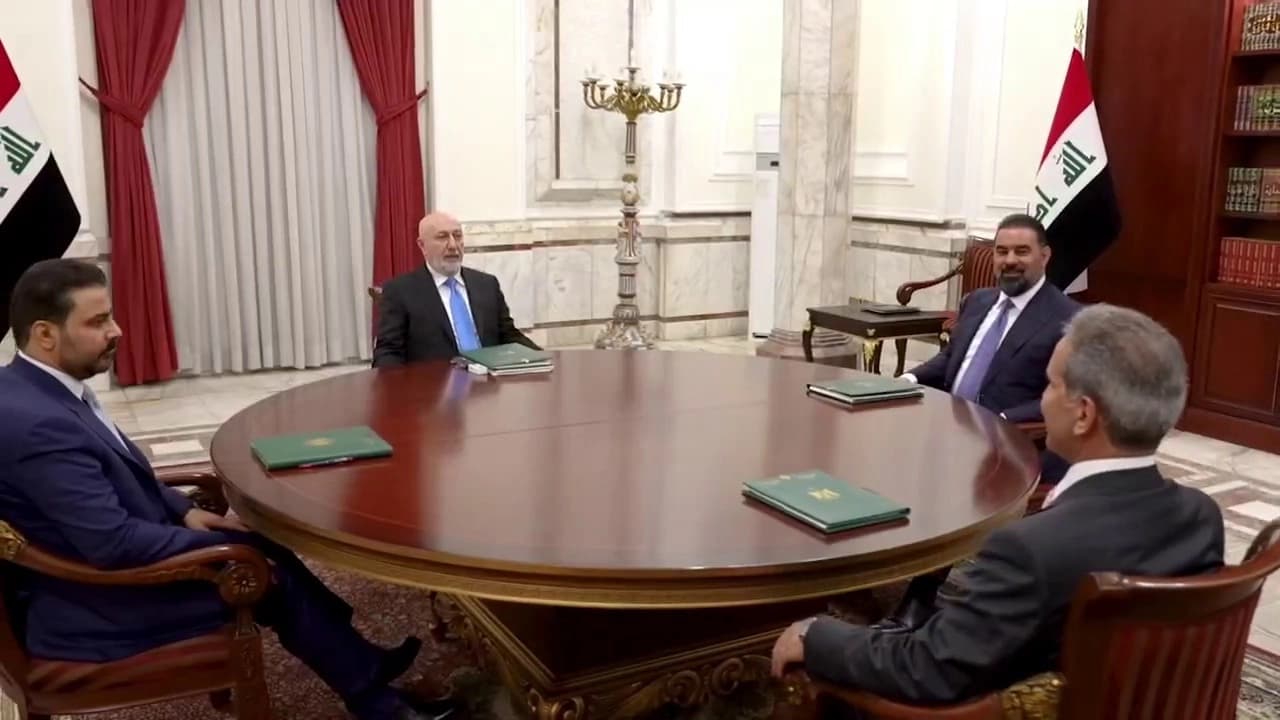
Meanwhile, Iraq's four top leaders on Wednesday endorsed an initiative for national dialogue on December 1 to address what Baghdad has described as a constitutional crisis between the federal government and the KRG.
The initiative, proposed by Supreme Judicial Council President Faiq Zidan, aims to bring together the country's four presidencies and relevant political parties to resolve the dispute in accordance with the constitution.
The measures drew backlash from the Kurdistan Democratic Party (KDP) and the Patriotic Union of Kurdistan (PUK) who issued a rare joint statement rejecting attempts to undermine the Region's constitutional status and describing any infringement on its federal privileges as a red line.
The escalating dispute unfolds against the backdrop of a prolonged political deadlock in the Kurdistan Region, where the two ruling parties have yet to form a new cabinet more than two years after the October 2024 parliamentary elections.