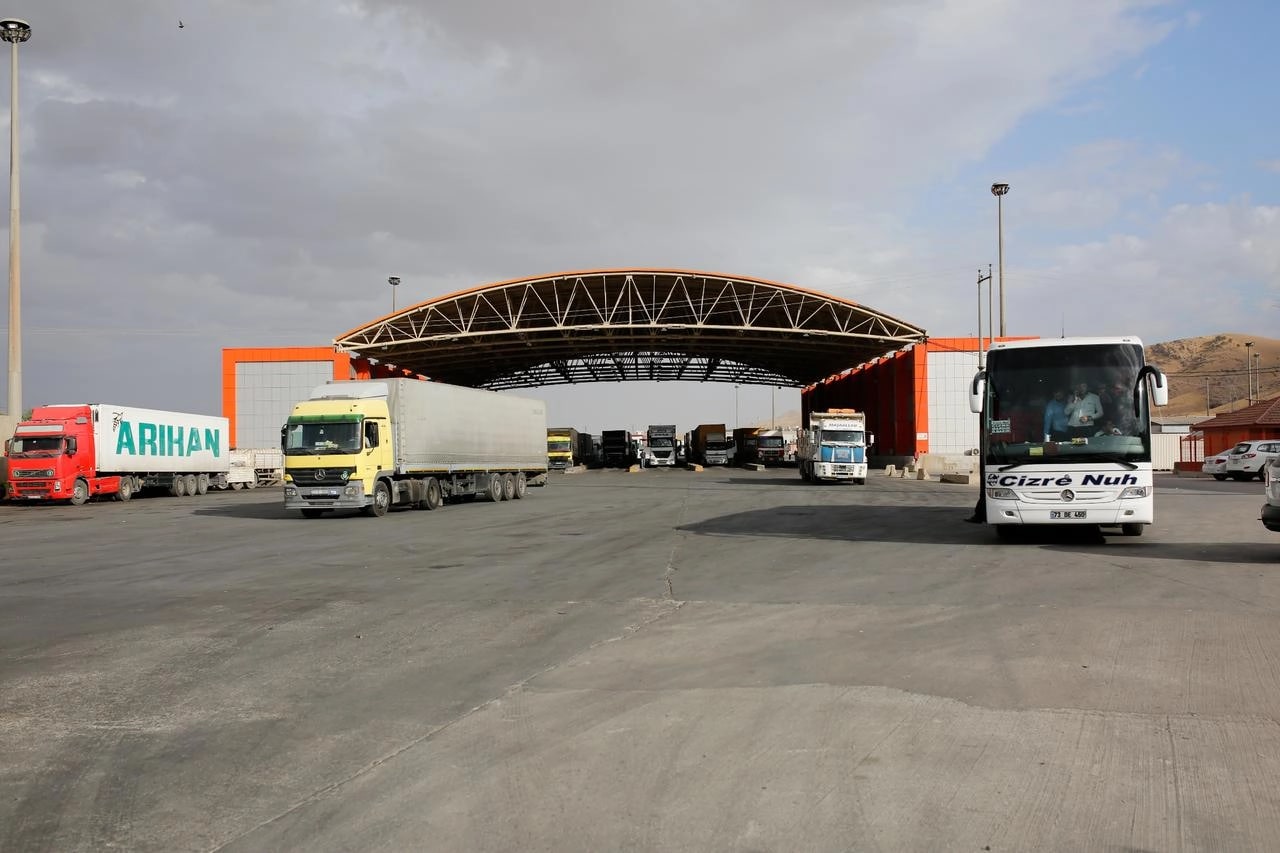

ERBIL, Kurdistan Region - Iraqi Prime Minister Ali al-Zaidi on Friday ordered the introduction of a unified five percent customs tariff on all imported goods, effective December 1, as the country seeks to boost its non-oil revenues. Customs tariff rates previously varied depending on the type of goods imported.
“As part of measures aimed at strengthening economic stability and regulating trade and monetary policy, Prime Minister Ali Falih al-Zaidi directed on Friday the unification of customs tariffs on all imported goods at a rate of 5 percent,” the prime minister’s office announced, noting that the directive would be implemented on Tuesday.
Zaidi’s directive reverses a sweeping customs overhaul implemented on January 1 under a cabinet decision approved in late October 2025, which was rolled out alongside the United Nations-supervised ASYCUDA electronic customs system.
Before January, importers in Iraq largely paid a fixed flat fee per shipping container. The overhaul replaced that model with item-by-item valuation, enforcing tiered tariff rates ranging from 0.5 percent to 30 percent depending on the product category.
The resulting sharp rise in import costs triggered widespread protests and market strikes by traders and customs clearance companies across the country in February, with merchants saying the new duties disrupted trade and drove up prices.
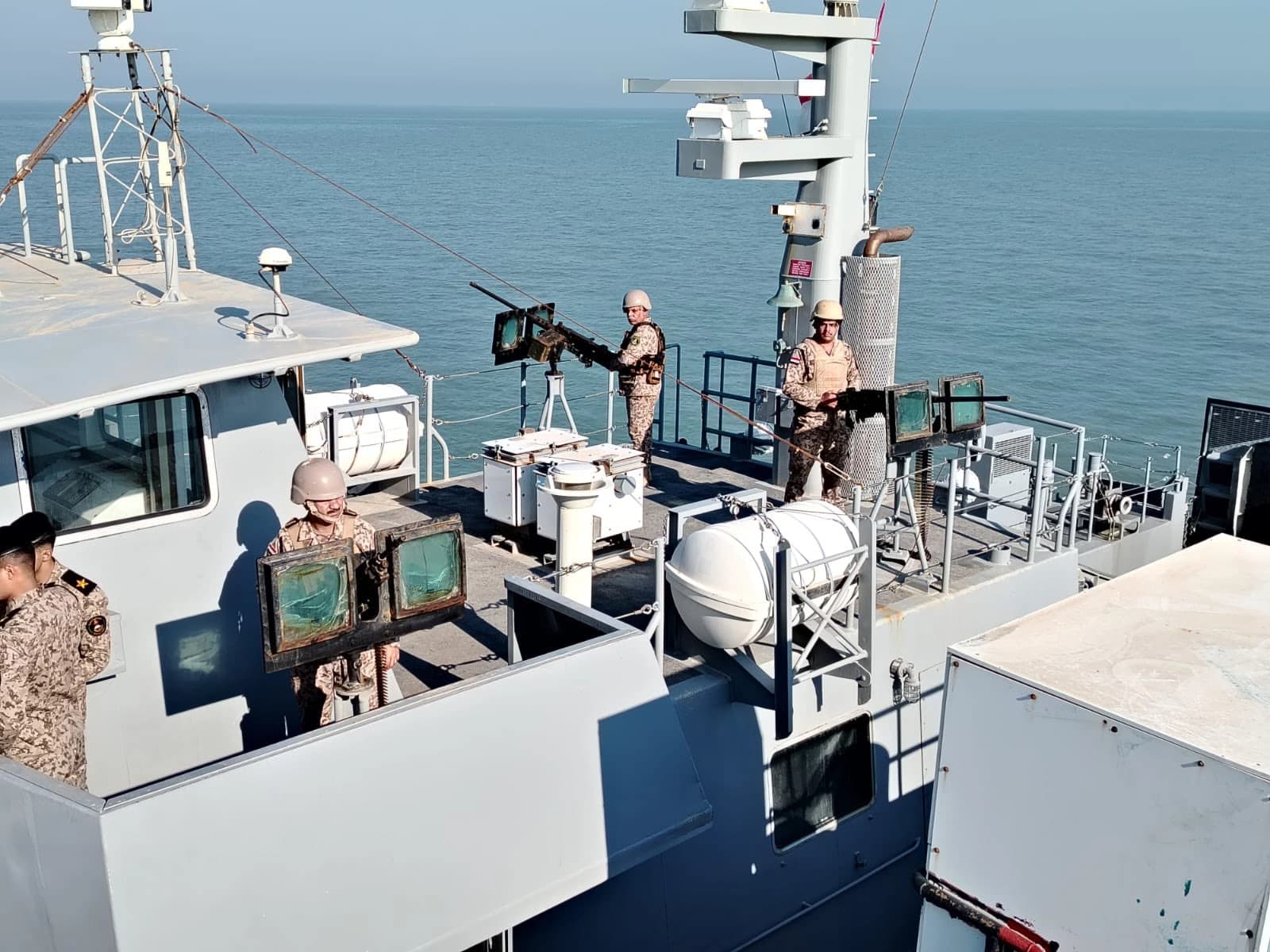
Zaidi’s latest decision comes as the country tries to increase its non-oil revenues following months of sharp decline in oil exports after maritime restrictions occurred at the Strait of Hormuz, through which Iraq exports over 90 percent of its oil.
The share of non-oil revenues increased from nearly 10 percent to 18 percent in the new budget draft, which has yet to be approved by the parliament, according to the oil ministry.