ERBIL, Kurdistan Region - Restoring the Kurdish parliament is the first step toward forming the Kurdistan Regional Government’s (KRG) tenth cabinet, the Region’s Prime Minister Masrour Barzani said on Tuesday, as the legislature’s deadlock entered its 20th month.
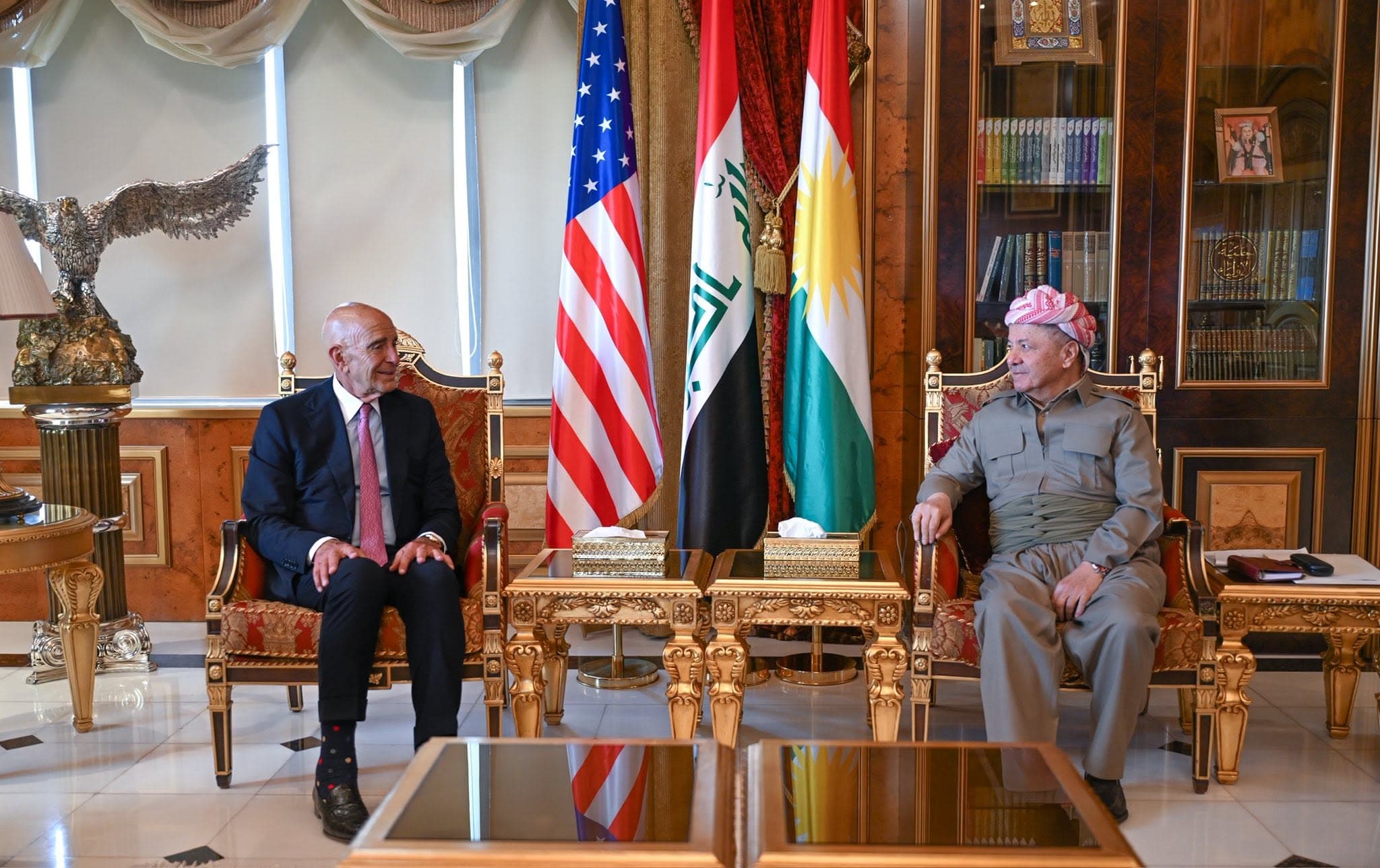
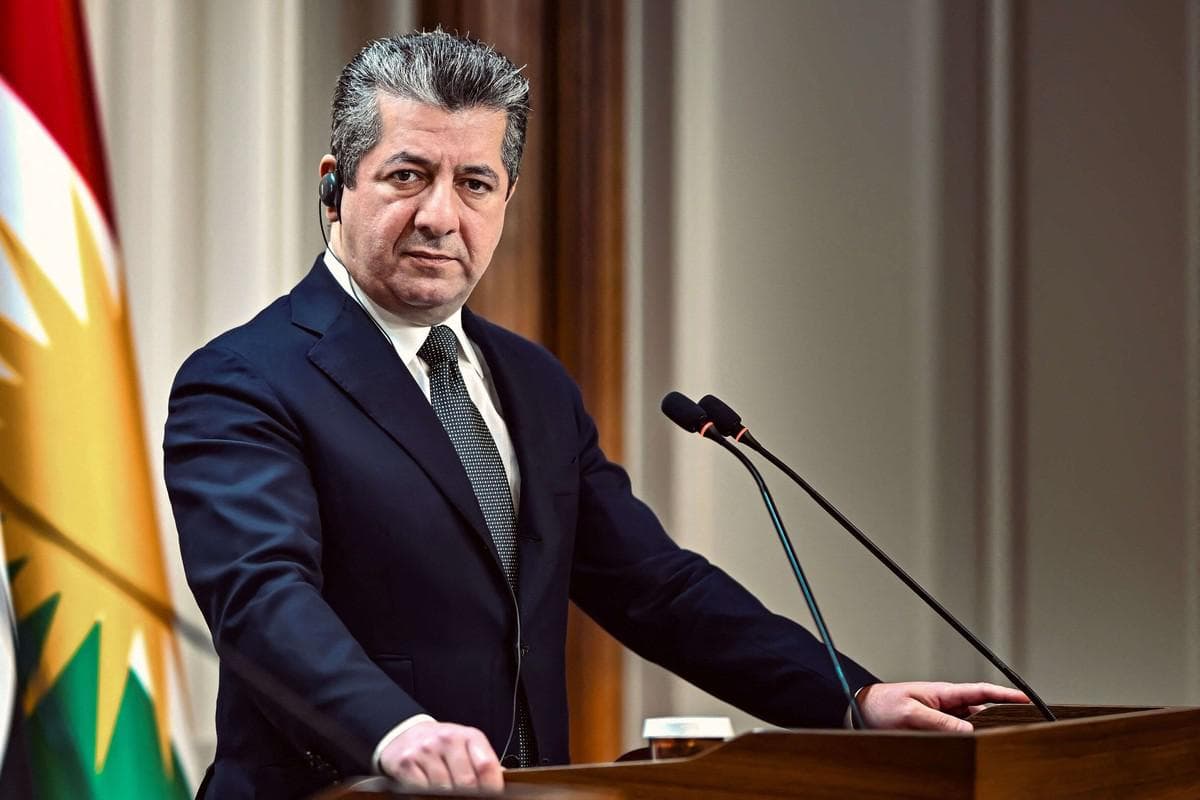
“The [Kurdish] parliament is not the property of any single faction; it belongs to the people of Kurdistan,” the Kurdish premier told reporters, including Rudaw, on the sidelines of a meeting with US Special Presidential Envoy to Iraq and Syria Tom Barrack in Erbil.
He said that “the first essential step” in forming the next KRG cabinet is reactivating the parliament, which is “the rightful venue to resolve disputes through dialogue, in what would then pave the way for discussions on government formation.”
The Kurdistan Region held parliamentary elections in October 2024, with the ruling Kurdistan Democratic Party (KDP) winning 39 seats and the Patriotic Union of Kurdistan (PUK) securing 23 seats in the 100-seat legislature.
With no party achieving absolute majority, the two sides have engaged in government formation talks that have since stalled due to disagreements over governance structures and key posts.
In his Tuesday meeting with Barrack, Prime Minister Barzani said in a post on X that the reactivation of the Kurdish legislature and the formation of the new KRG cabinet “were discussed to move past the current political stalemate.”
Of note, the US envoy also met with PUK leader Bafel Talabani on Tuesday, during which the latter reportedly questioned “the legitimacy and credibility of the current government” in light of the ongoing stalemate, according to a statement from his office.
On the wider Iraqi and regional stage, the Kurdish premier on Tuesday underscored the importance of Erbil “securing air defense systems” to counter “the sources of threats against the Kurdistan Region, which are well known from past experience,” describing such an acquisition as “a major step forward.”
He further noted that “a delegation from the [Iraqi] federal government visited us a few days ago to review the matter,” adding, “We will find a mechanism to provide these defense systems to the Kurdistan Region and the companies that require protection.”
The Kurdistan Region has faced a sustained wave of aerial attacks in recent months, following the outbreak of the Iran war on February 28, when the US and Israel launched a widescale aerial campaign, striking thousands of targets across the country during six weeks of hostilities.
In response, Tehran carried out thousands of drone and missile strikes across the Middle East targeting alleged US assets - particularly in Gulf Arab states - as well as launching retaliatory attacks against Israel.
The Iranian response has also included strikes by factions aligned with the Iran-led ‘Axis of Resistance’, including by Iraqi armed groups that have claimed numerous attacks against alleged US targets in Iraq and the Kurdistan Region.
The Kurdistan Region has been hit by at least 865 drones and missiles from late February until last week, according to Rudaw’s tracking, despite Kurdish leaders repeatedly affirming that the Region is not a party to the conflict.
Moreover, long before the six-week war, energy infrastructure in the Kurdistan Region faced repeated drone and missile attacks, largely launched from within Iraqi territory, which forced international oil companies (IOCs) operating in the Region to reduce production.
Kurdish officials have often attributed the attacks to Iran-backed armed groups in Iraq for the attacks and have recently renewed calls for air defense systems to counter the threat.