
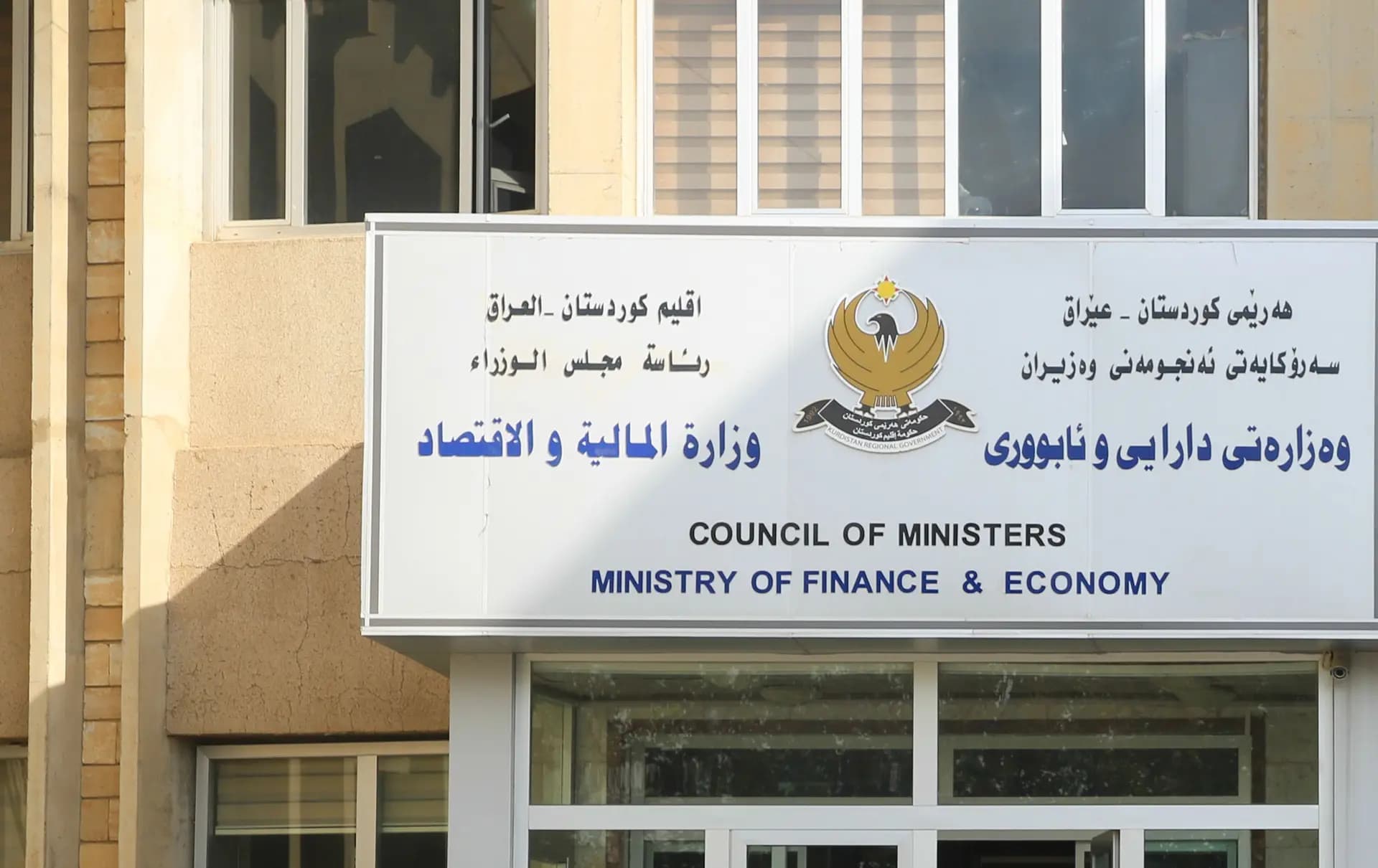

ERBIL, Kurdistan Region - The federal government sent only 42 percent of the Kurdistan Region's total budget allocation – around $38 billion – between 2019 and 2025, the Kurdistan Regional Government's (KRG) finance ministry said on Thursday, adding that some of the disbursements were classified as loans.
In a report detailing federal budget allocations to the Region and the deductions made against them over the seven-year period, the ministry said the Region's total share, after deducting sovereign and governing expenditures, or federal expenses, came to more than 79 trillion Iraqi dinars, around $60 billion.
Baghdad withheld more than 48.7 trillion dinars of that share, using the money exclusively to pay the salaries of Kurdistan Region civil servants while "sending no funds for operational and investment expenditures," the ministry said.
The report's tables also show that the federal government classified most of the budget shares disbursed between 2019 and 2023 as loans, rather than entitlements.
Baghdad has failed to pay the salaries of the Kurdistan Region's civil servants on time and in full since Erbil began independently exporting its oil more than a decade ago. The KRG has at times relied on its own oil and non-oil revenues to cover the shortfall.
According to the KRG's finance ministry statement, Iraq’s total budget during the past seven years was 1,155 trillion and 733 billion Iraqi dinars (around $881 billion).
“Out of this total amount, the Kurdistan Region's designated share - set at 12.67 percent - amounted to 146 trillion and 431 billion [around $118 billion],” it added, noting that it only disbursed around 33 trillion and 427 billion (around $25 billion).
However, Erbil and Baghdad are on the crossroads of a historical turning point to resolve their lingering disputes, as they have secured significant progress in various issues - including oil exports and management of border-crossing points.
Reflecting on his May visit to Baghdad, KRG Prime Minister Masrour Barzani told Rudaw earlier this month that he heard from Iraq’s new Prime Minister Ali al-Zaidi and “various political parties” that they “have a shared desire to open a new page and find solutions to outstanding issues.”
“During these meetings, we stressed the absolute necessity of implementing the Kurdistan Region’s constitutional rights and financial entitlements,” he added.
.jpeg&w=3840&q=75)