.webp&w=3840&q=75)

ERBIL, Kurdistan Region - The Commission of Integrity of the Kurdistan Region is drafting new regulations to formalize a whistleblower reward system that provides financial incentives and legal protection for individuals reporting corruption cases, officials said on Thursday.
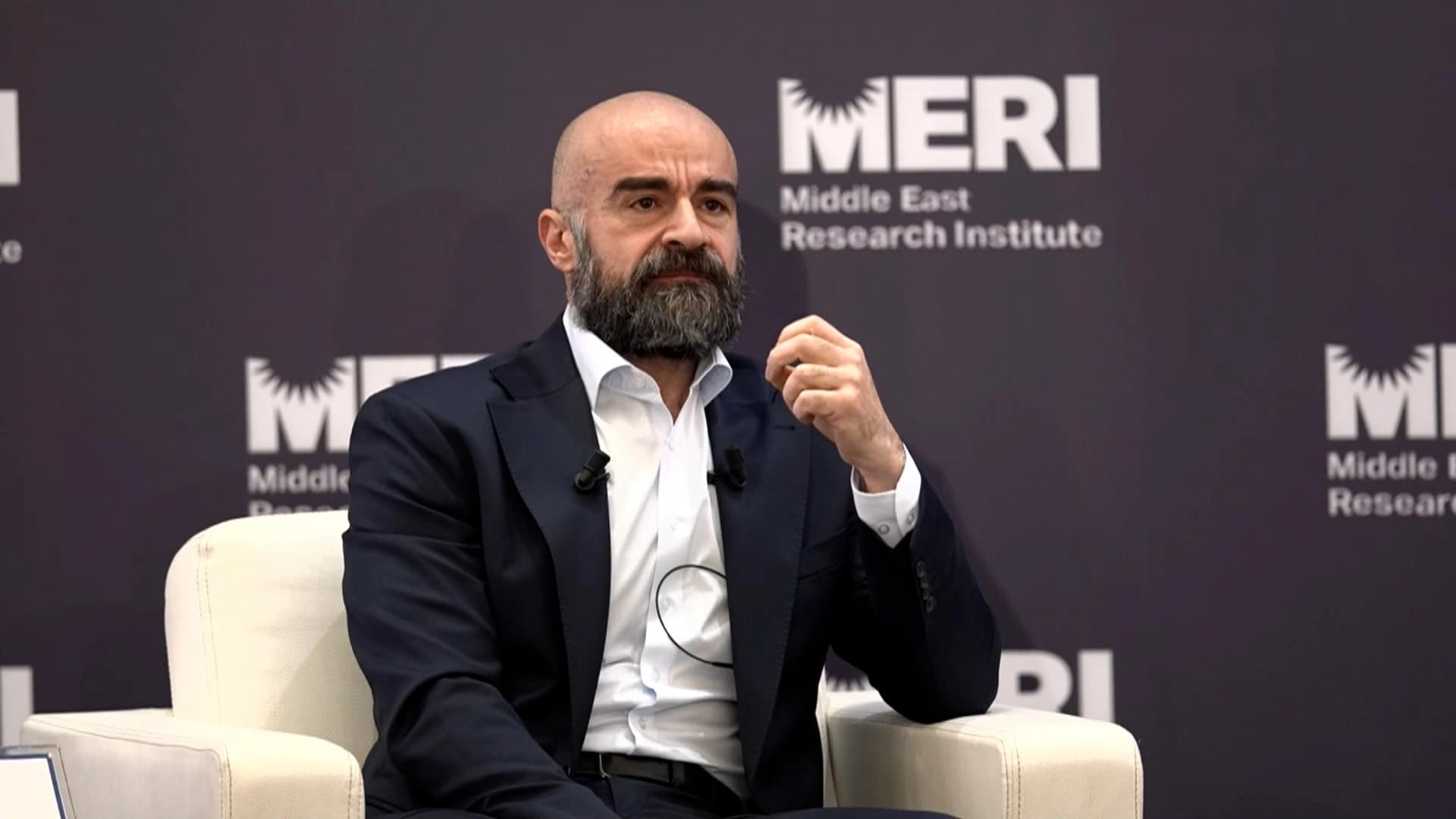
“We are receiving cases and evaluating the evidence to determine whether it can prevent the waste of public funds or lead to cases that can be adjudicated in court. These mechanisms require clear guidelines,” Ahmed Anwar, head of the Commission of Integrity of the Kurdistan Region, told Rudaw's Soran Hussein.
The commission intends to review incoming reports and assess the quality of evidence before proceeding with legal action, following its June announcement that informants who submit verified evidence of corruption involving public officials would receive monetary rewards while their identities remain strictly confidential.
The move comes as Iraqi authorities continue investigations across the country in an initiative known as Operation Dawn, a large-scale anti-corruption campaign launched on Sunday under the direction of Prime Minister Ali al-Zaidi and in coordination with Iraq's Federal Commission of Integrity.
To date, the operation has resulted in the arrests of over 21 senior government employees, according to government spokesperson Haidar al-Aboudi. Cases extend to former officials, and lawmakers, including notable figures such as former Salahaddin governor Raed al-Jubouri, three former members of parliament from the Salahaddin province, and Adnan al-Jumaili, the former deputy oil minister for refining affairs, accused of embezzlement of 200 billion dinars ($152 million).
Anwar said the commission is working to establish formal regulations to define how reports are handled and how rewards are calculated, stressing that a clear legal framework is necessary for full implementation of the system.
While no government body has opposed the initiative, Anwar said, the system’s success depends on a comprehensive follow-through on regulatory processes.
In June, the commission told Rudaw it had received several corruption reports within a single day of launching the hotline-based system, though many cases required further supporting evidence before investigations could take place.
Anwar said rewards will vary depending on the scale and impact of the reported corruption, and coordination is underway with Iraq’s Federal Commission of Integrity and the UN Development Programme (UNDP) to establish evaluation criteria.
The initiative covers cases such as bribery, embezzlement, illicit enrichment, and misuse of public funds. Citizens can submit reports via hotline 1015, designated email channels, or physical presence, including complaint boxes.
The commission says it refers around 250 corruption cases to courts annually. A joint UNDP and Kurdistan Region judicial report in December 2025 also indicated a rise in the financial scale of corruption cases involving public institutions, surging from 622 million to 4.5 billion Iraqi dinars ($475,000 to $34.4 million)
Accordingly, the Kurdistan Regional Government (KRG) has introduced new measures to handle cases involving financial crimes, through its establishment of Erbil’s Fourth Criminal Court to carry out proceedings.
.png&w=3840&q=75)