
ERBIL, Kurdistan Region - A Kurdistan Region delegation will visit Baghdad this week to discuss equalizing salaries for political prisoners in the Region with their counterparts in the rest of Iraq, a senior Kurdish official told Rudaw on Monday.
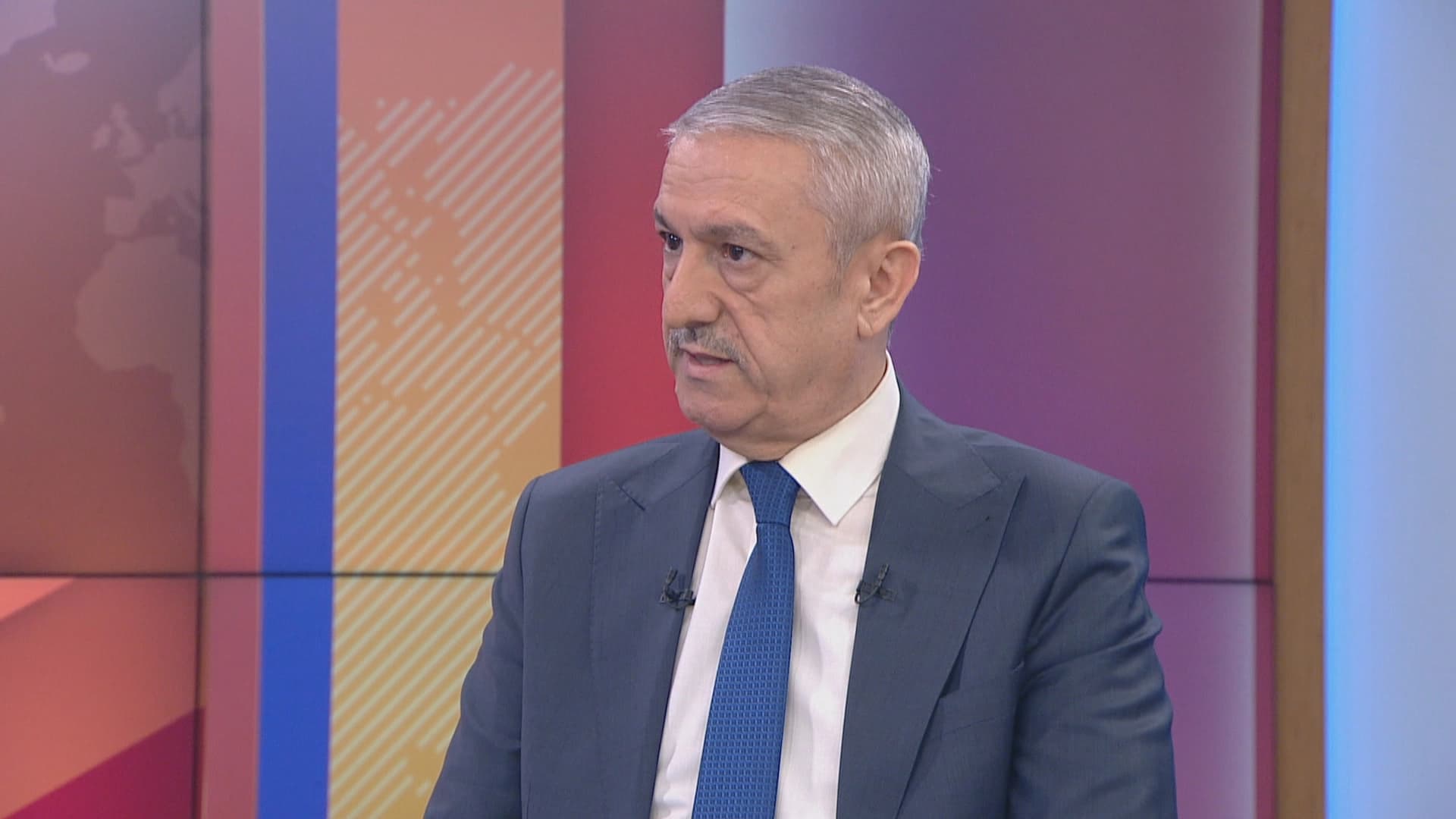
"A delegation will visit Baghdad this week to discuss the equalization of salaries for political prisoners in the Kurdistan Region," said Ahmed Mam Rasool, director general of political prisoners' affairs at the Kurdistan Regional Government's (KRG) martyrs ministry, adding that the trip will include a meeting with incoming Finance Minister Faleh al-Sari.
The current monthly salary for a political prisoner in the Kurdistan Region is 500,000 Iraqi dinars (about $382), and efforts are underway to raise it to 1.2 million dinars (about $916), matching the salaries paid to political prisoners in the rest of Iraq.
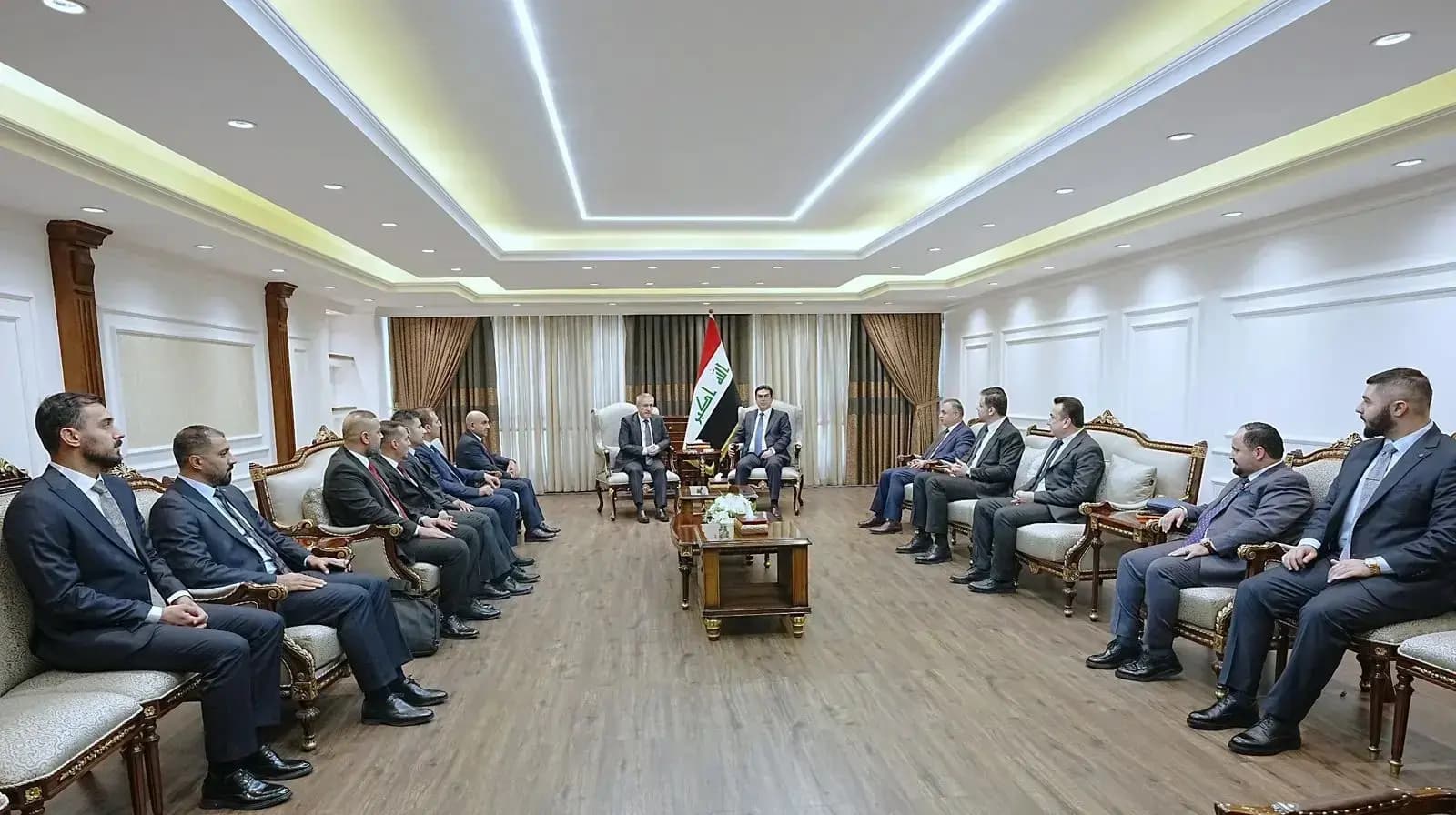
The same delegation held several meetings in Baghdad on the same issue recently and returned to the Region on Thursday. The meetings included discussions with Iraqi President Nizar Amedi and a delegation from the Iraqi Martyrs Foundation, a cabinet-level Iraqi agency linked to the federal parliament whose core mandate is to provide financial compensation, health benefits, educational priorities, and social support to victims of state violence and terrorism.
"In addition to equalizing the salaries, the objective of our meetings in Baghdad is to transfer responsibility for the salaries of political prisoners to the federal government," Rasool added, saying that the families of Kurdish martyrs require support from the federal government in exhuming the remains of loved ones from mass graves, among other things.
The prisoners in question include Kurdish dissidents and civilians arrested, detained, or exiled by the Saddam Hussein-led Ba'athist regime before its 2003 collapse. The group includes political activists, Kurdish Peshmerga fighters, and civilian survivors of desert detention camps such as the notorious Nugra Salman prison facility, where families were held during the late 1980s Anfal campaign.
Under both Kurdish and federal Iraqi law, these individuals are recognized as survivors of state-sponsored persecution. According to official statistics, the files of 25,618 political prisoners have been documented in the Kurdistan Region. Of these, 5,216 people currently receive the salary. An additional 17,000 files have been prepared but have not yet been reviewed or verified.