ERBIL, Kurdistan Region - The Kurdistan Regional Government (KRG) has introduced new gasoline price caps for ‘plus’ and ‘supreme’ gasoline on Wednesday following mitigative directives from Prime Minister Masrour Barzani after several gas stations reported supply constraints and shortages from an earlier price cap on the ‘regular’ fuel type.
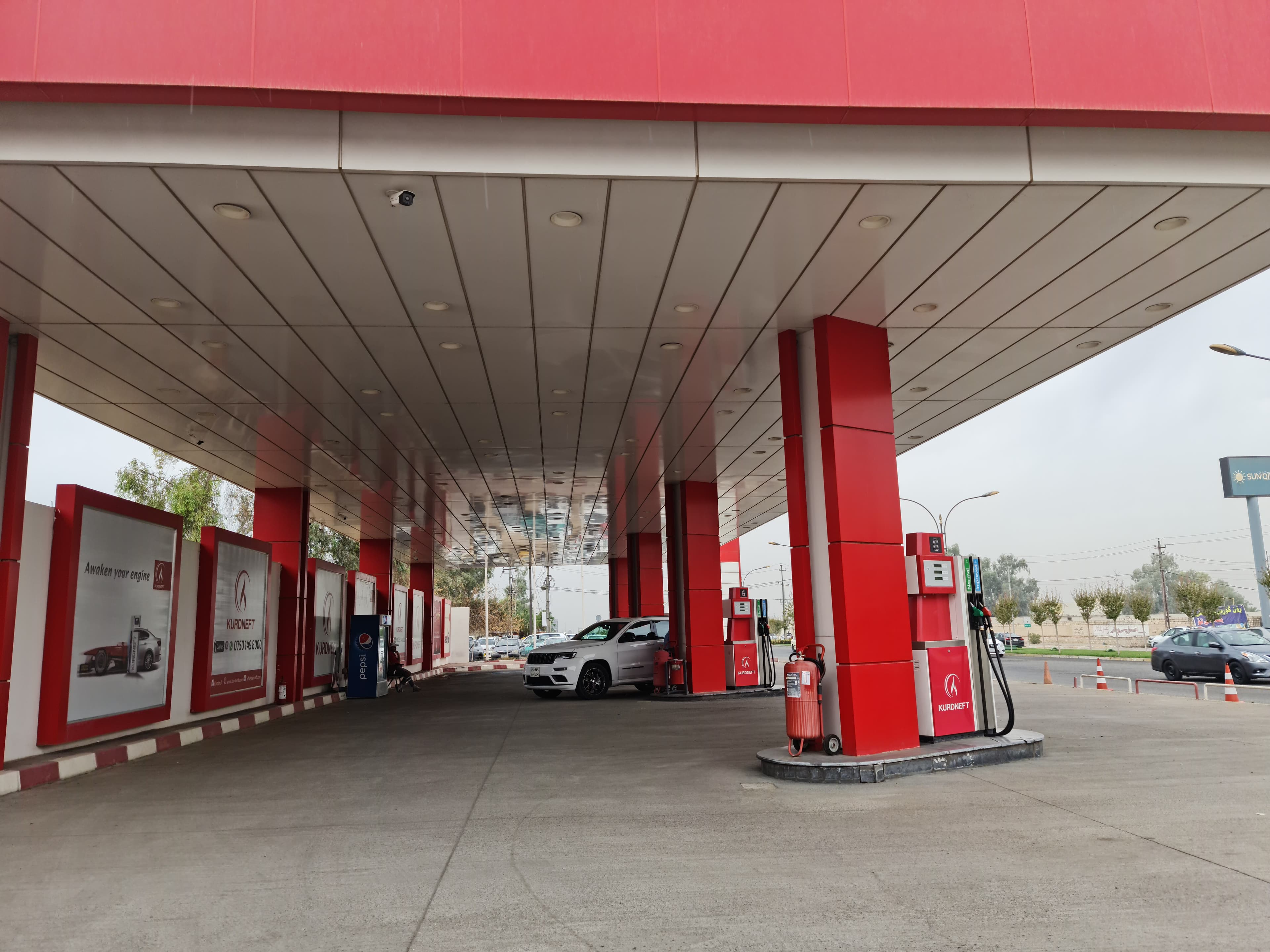
According to the Ministry of Natural Resources, government-supplied regular octane gasoline will now be supplied and sold at all gas stations in Erbil.
The ministry mandated that gasoline prices for Plus fuel must not exceed 1,000 dinars ($0.76) per liter, while the price of Supreme, or premium, gasoline must remain below 1,200 dinars ($0.91) per liter.
The new enforcement follows the ministry’s previous Monday decision to set a price cap for ‘regular’ gasoline to select stations at 750 Iraqi dinars ($0.57) per liter and regular octane at non-subsidized stations not exceeding 850 dinars ($0.64) per liter after several in Erbil reported shortages of the government-subsidized fuel type.
Fuel shortages and subsequent mitigation efforts follow a wave of Iranian drone attacks amid renewed tensions between the United States and Iran, which have forced several international oil companies to suspend operations in the Kurdistan Region, including facilities linked to oil and gas production. The shortages are further compounded by a decline in Iranian fuel imports to Iraq and the Kurdistan Region.
In addition, the government regulations require normal gasoline to meet an octane rating of 89-92, Plus to fall between 92 and 95, and Supreme gasoline to meet a rating between 95 and 98.
“The quality of regular, plus, and supreme gasoline must comply with the guidelines and regulations set by the Ministry of Natural Resources,” the ministry said in its announcement, stating that gas stations selling fuel below the required octane levels will face penalties.
In Sulaimani and Halabja provinces, the majority of fuel stations have yet to comply with the government’s decision.
Authorities in Erbil began enforcing price caps on all stations on Tuesday after weeks of supply disruptions caused shortages, causing a surge in the market price of up to 2000 dinars ($1.52 per liter, or $0.40 per gallon).
Erbil Governor Omed Khoshnaw said Tuesday most of the city’s 266 filling stations had already adjusted their prices in line with the government mandate.
“Filling stations are committed to implementing the prime minister's decision,” Khoshnaw said, adding that subsidized fuel would be distributed fairly and refineries had been instructed to maintain adequate supplies.
He warned that inspection teams would continue monitoring fuel prices and quality, saying stations that violate the regulations would face “the toughest legal measures.”
The KRG has said it will increase fuel allocations and is preparing to introduce an electronic fuel card system to improve the distribution of subsidized gasoline.
Iraq’s Deputy Oil Minister Izzat Sabeer told Rudaw on Tuesday that Iraq is producing around 2 million barrels of oil per day, “operating at around 50 percent,” presenting difficulties in supplying fuel to the Kurdistan Region.