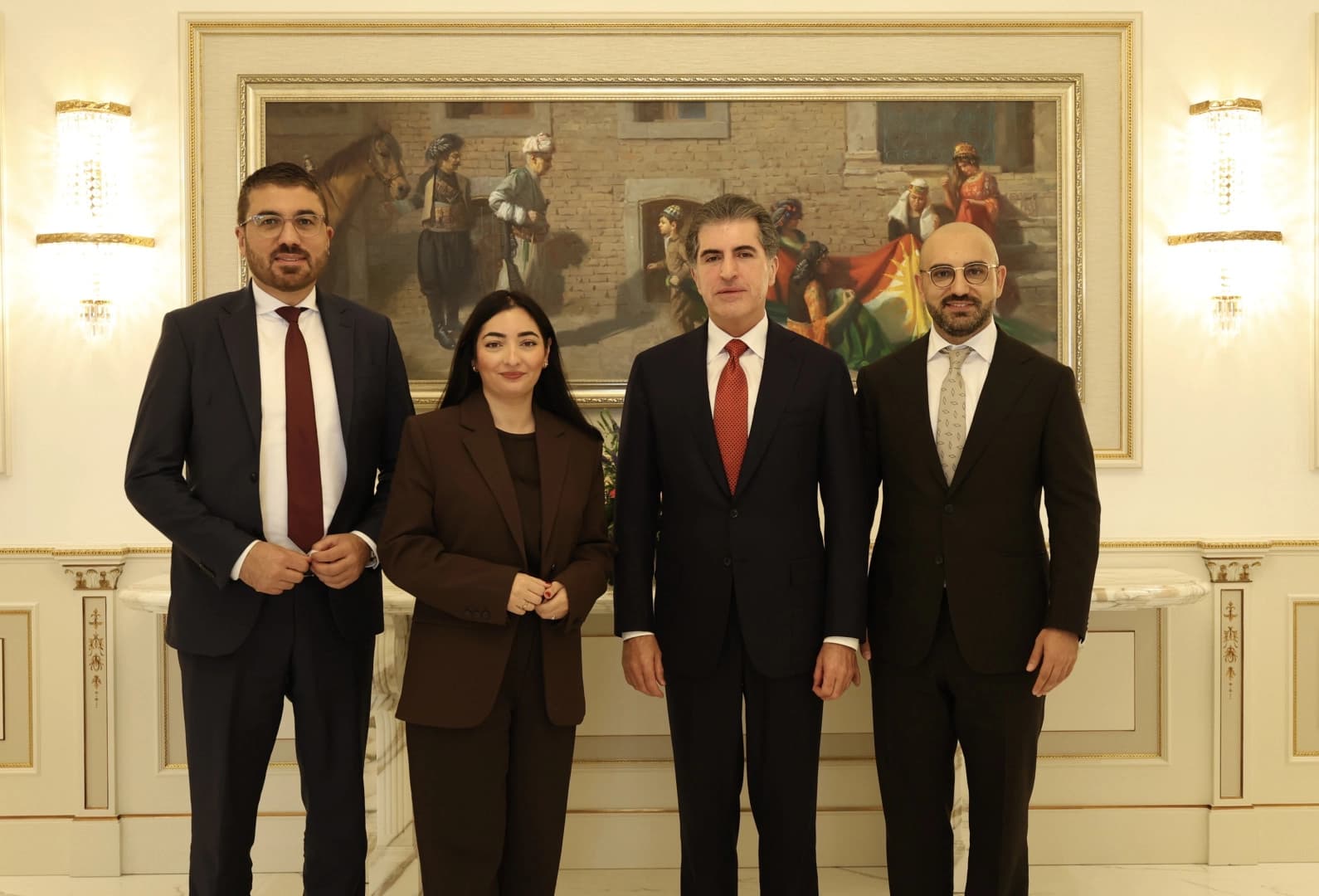
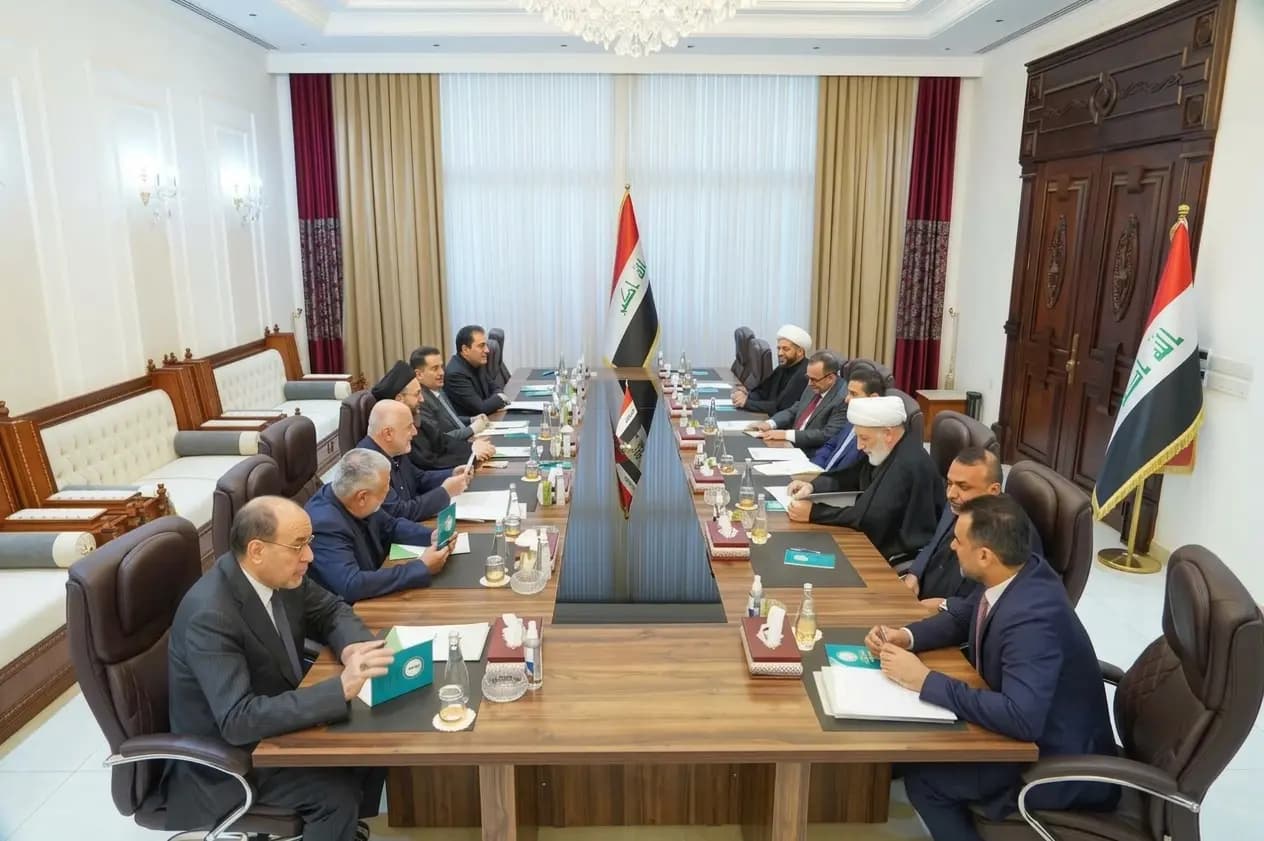
ERBIL, Kurdistan Region - Kurdistan Region President Nechirvan Barzani on Friday marked the 43rd anniversary of the Barzani genocide, in which the Saddam Hussein-led Ba'ath regime killed thousands of Barzani youth during its Anfal campaign against the Kurds.
"Today marks the 43rd anniversary of the tragic Anfal campaign against the Barzanis, in which 8,000 civilians lost their lives," President Barzani said, honoring "the pure souls of the martyrs" and saluting the widows of the victims, who "defeated the enemy's aim of erasing the people of Kurdistan.”
The Kurdish President noted that the "brutal crime" and "genocide committed against the Barzanis, together with the Anfal campaigns in their entirety, remains an open wound in our nation's conscience," and "deepens the resolve" of the Kurdish people in defense of "their legitimate rights."
The toppled Ba'ath regime on July 31, 1983, rounded up some 8,000 members of the Barzani tribe from their homes in the Kurdistan Region and transported them to the deserts of southern Iraq where they were executed in an act of collective punishment against the tribe, whose leaders had been active in Kurdish revolts against the former regime.
Despite the Iraq's Federal Supreme Court's official recognition of the Anfal campaign as genocide, a crime against humanity, and a war crime, little has been done to compensate the survivors and victims' families.
In his tribute, President Barzani on Friday urged the Baghdad government to shoulder its "moral and legal duty" and compensate the families of the victims "and all those harmed by the crimes of the former regime."
"Tragedies and suffering of the past must become lessons for the future," the Kurdish leader said, stressing that "cultivating a culture of mutual acceptance and coexistence" is "essential to building unity, understanding, and lasting peace" and to "bringing together all communities in Iraq to live side by side in dignity and pride."
Kurdistan Region Prime Minister Masrour Barzani likewise on Friday highlighted the "genocide of thousands of innocent Barzanis" as "one of the most heinous crimes committed by the former Iraqi regime."
He added that "the people of Kurdistan will never forget these atrocities" and will always "remember the sacrifices made in pursuit of our legitimate rights."
In spite of its horrific nature, the genocide of Barzani youth is but a portion of the broader genocidal Anfal campaign launched by the Saddam-led Ba’ath regime.
Spanning from February to September 1988, the campaign involved chemical weapons attacks, aerial bombardments, and mass executions. An estimated 50,000 to 182,000 Kurds were killed, and more than 4,500 villages were destroyed, culminating in the tragic 1988 chemical attack on Halabja.