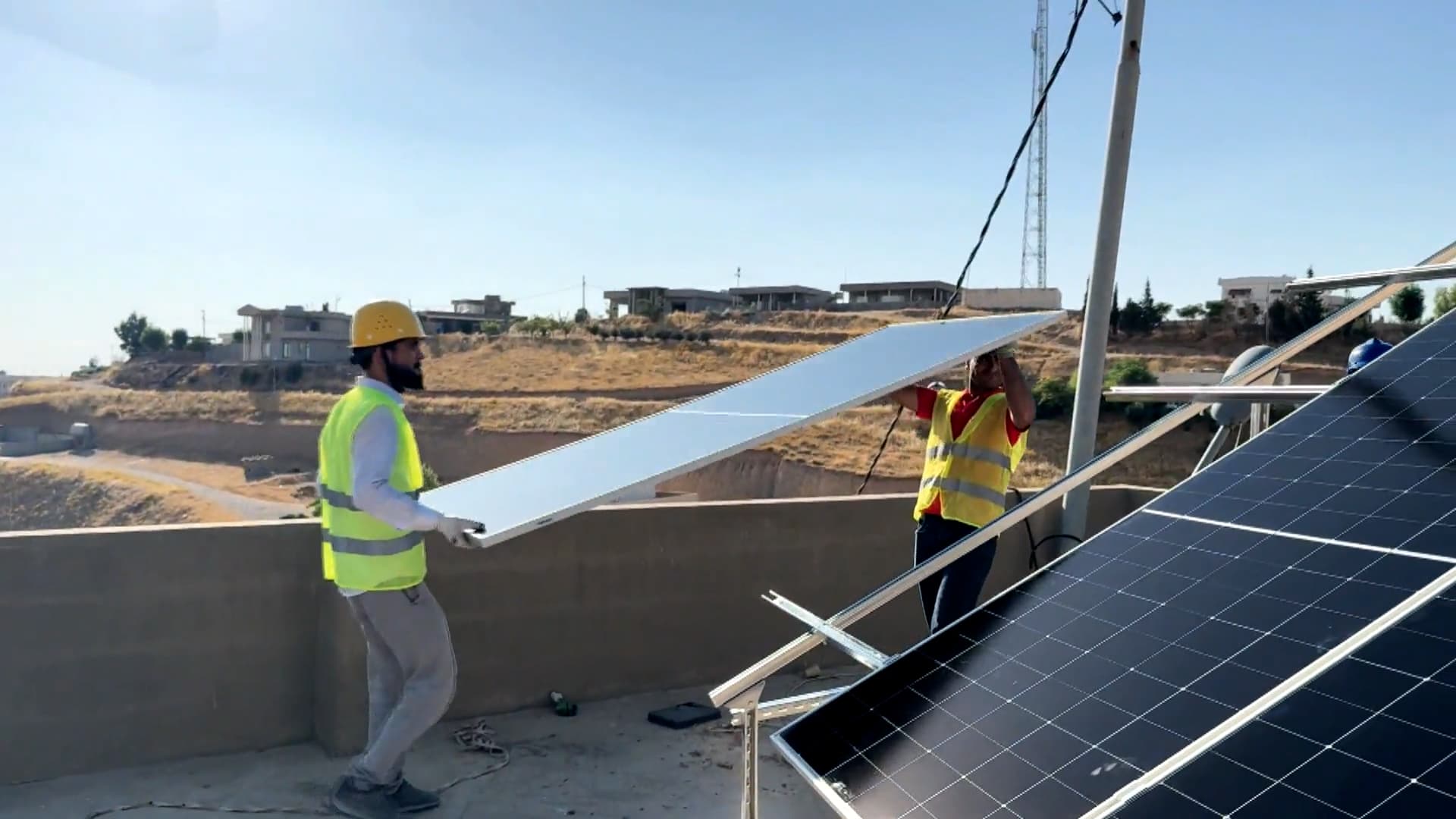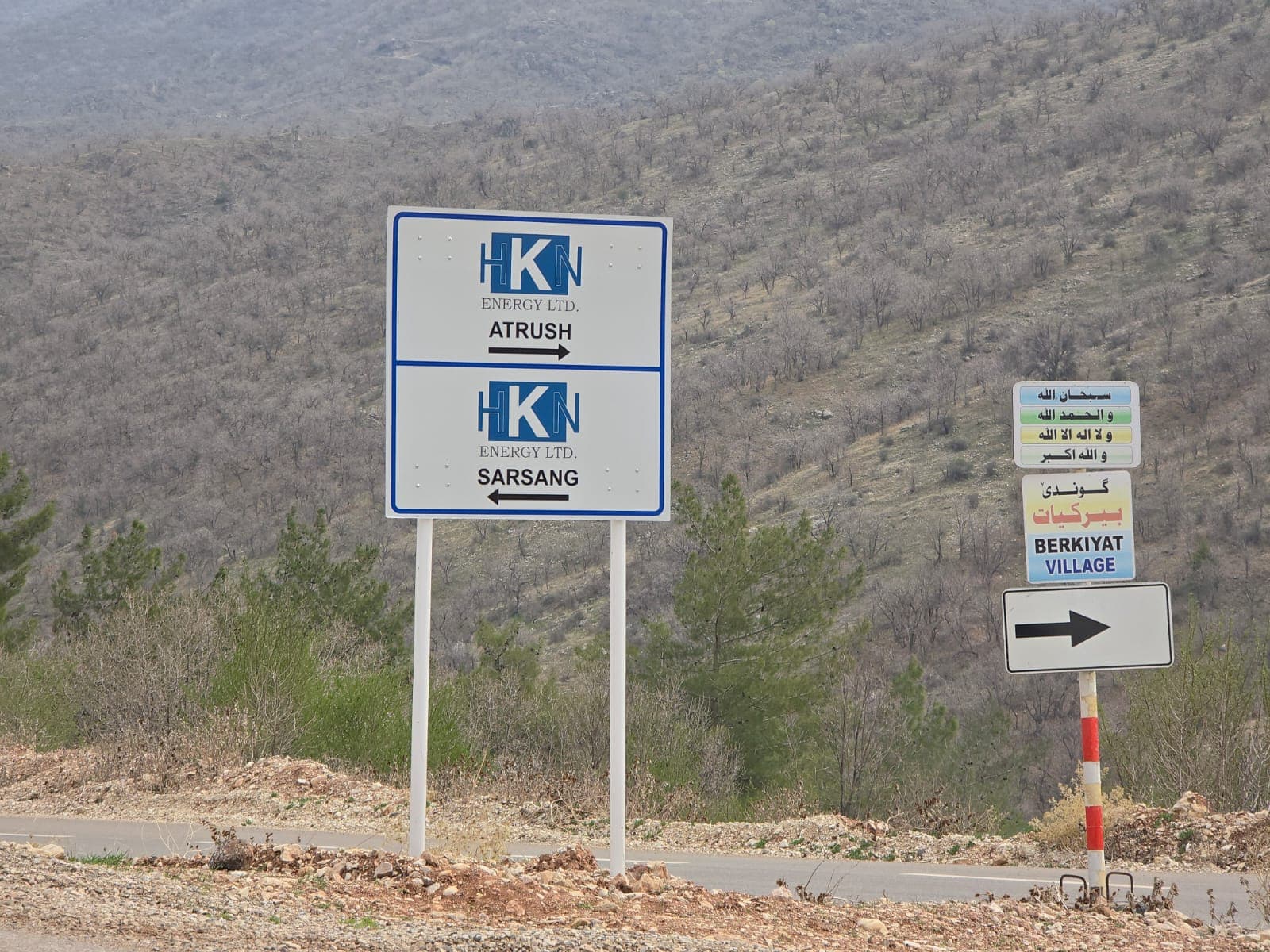

ERBIL, Kurdistan Region - Canadian oil company ShaMaran Petroleum reported a sharp decline in production at its Atrush and Sarsang oil fields in the Kurdistan Region's northern Duhok province in its second-quarter 2026 report, released Thursday, citing security conditions and implications of the Iran war. However, the decline was partially offset by a rise in international crude prices, with barrels selling above $82, the company says.
The decline
Average daily oil production across the Atrush and Sarsang blocks fell to 1,900 barrels per day (bpd) in the second quarter of 2026, according to the report. This marks a 94.7 percent drop from 35,900 bpd in the first quarter, and a 97 percent decline from 63,800 bpd in the same period last year.
Precautionary shutdowns at both blocks from early March to the end of June significantly reduced production in the first and second quarters, the report said.
Atrush Block daily production averaged 1,200 bpd in the second quarter, down from 20,600 bpd in the first quarter and pre-war levels of 35,100 bpd. Meanwhile, Sarsang Block daily production averaged 700 bpd in the second quarter - after maintaining an average of 15,300 bpd through the first two months of the first quarter - down from pre-war output of 28,700 bpd.
Total crude lifted and sold from both blocks reached 153,000 barrels in the second quarter - Atrush produced 87,000 barrels and Sarsang 66,000 barrels - compared to 3.2 million barrels in the first quarter and 5.86 million barrels in the second quarter of 2025.
Of note, ShaMaran holds a 50 percent working interest in Atrush and 18 percent in Sarsang. The company's net production share fell to 700 bpd in the second quarter - 600 bpd from Atrush and 100 bpd from Sarsang - down from 13,100 bpd in the first quarter and 22,700 bpd in the fourth quarter of 2025, prior to the Iran war.
The offset
Despite the steep production decline, a rise in global crude oil prices - driven by regional supply chain disruptions and the closure of the Strait of Hormuz - positively impacted overall company revenues, the report said.
ShaMaran achieved an average realized price of $84.23 per barrel across both blocks in the second quarter, a 154 percent increase over the fourth-quarter 2025 realized price of $33.12 per barrel. Realized prices significantly exceeded initial first-quarter estimates, as oil produced in the first quarter was lifted and sold from Turkey's Ceyhan port in the second quarter at higher market rates than anticipated.
Total second-quarter revenue reached $17.76 million, down 49.8 percent from $35.39 million in the same period last year. First-half revenue totaled $55.79 million, compared to $71.27 million in the first half of 2025.
Gross profit from oil sales rose 3.8 percent year-over-year to $13.26 million, up from $12.78 million in the second quarter of 2025, benefiting from international market pricing and reduced operational expenses during the shutdown.
Operational update
Importantly, ShaMaran said oil exports via the Iraq-Turkey Pipeline continue under interim arrangements between the Kurdistan Regional Government (KRG), the federal government of Iraq, and international oil companies (IOCs). Under the terms, designated entities sell the companies' entitlement cargoes, with payments received roughly 30 days post-lifting.
No payment delays from Iraq's State Organization for Marketing of Oil (SOMO) have occurred since export operations resumed in September 2025.
The interim agreements have been extended through September 30, pending final production-sharing contract reconciliations by an independent international consultant. Iraq and Turkey on Saturday signed a one-year extension of the main pipeline agreement through July 2027.
Following a brief restart in late June - during which Atrush production peaked above 40,000 bpd in early July - operations were suspended again on July 20 due to renewed security risks. The block’s US-based operator HKN Energy says it continues to assess local security conditions alongside ongoing damage evaluations from drone strikes at the Sarsang field in early March and April.
ShaMaran also completed its corporate restructuring, transferring its registration from Canada to Bermuda on May 28. The company delisted from the TSX Venture Exchange and began trading on Euronext Growth Oslo on June 5, raising roughly $1.1 million through a public offering of some 9 million shares.