
ERBIL, Kurdistan Region - Erbil’s finance ministry says it has completed drafting the Kurdistan Region's proposal for its share of Iraq's 2027 federal budget and has sent it to Baghdad. The statement coincides with Iraqi Prime Minister Ali al-Zaidi's announcing that preparation of the budget bill is underway and will soon be submitted for legislative approval.
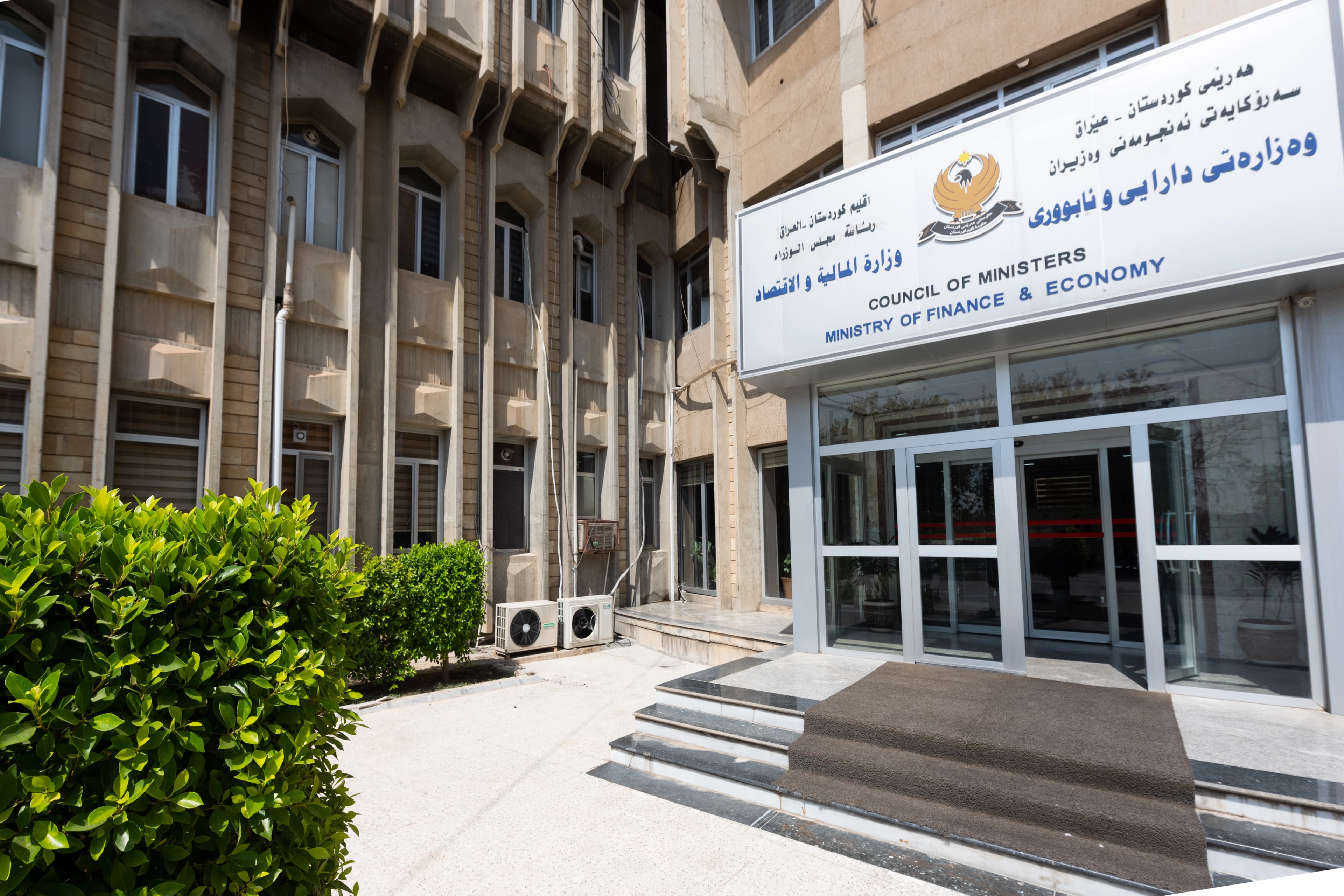
The Kurdistan Regional Government (KRG) finance ministry said in a statement late Thursday that “the drafted proposal was sent to the federal finance ministry,” following “a month of intensive discussions and comprehensive estimates of expenditures, public revenues, and the government's public payroll.”
Central to the document are “all the financial entitlements, constitutional demands, and needs” of the KRG, including the “full salaries” for public servants and pensioners, as well as payments for “disabled veterans, [former] political prisoners, and the proud families of martyrs.”
The proposal also calls for “equalizing the salaries and financial entitlements” of the Region’s Peshmerga forces and retirees with those in federal Iraq, “ensuring the receipt of all their outstanding financial entitlements,” and resolving technical issues hindering public servants from accessing their salaries.
Moreover, the draft urges restoring “promotion rights for Kurdistan Region employees, which had been suspended for several years due to the financial crisis,” and transitioning contract employees to permanent status, alongside measures to employ top university graduates, higher degree holders, and healthcare professionals.
The proposal also calls for allocating an “investment budget for service projects,” as well as “providing salaries for low-income families, equalizing benefits for people with special needs with those in Baghdad,” and securing funds for “medicine and medical supplies.”
The Kurdistan Region's salary crisis is a persistent dispute rooted in a revenue-sharing standoff between Erbil and Baghdad, where the federal government frequently withholds monthly payroll transfers - totaling roughly $650 million to $800 million - over disagreements regarding Erbil's oil exports and non-oil revenues.
The standoff has resulted in a decade of missed or deducted salary months, leaving an estimated $21 billion in unpaid arrears owed to over a million civil servants and fueling widespread economic stagnation and strikes across the region.
In mid-May, prominent Kurdish lawmaker Ashwaq Jaf told Rudaw that Prime Minister Zaidi had included the regional civil servants' salary issue in his ministerial program following an agreement with Kurdistan Region President Nechirvan Barzani.
"An agreement has been reached to address the stalled salaries of civil servants in the Kurdistan Region," said Jaf, a senior member of the Kurdistan Democratic Party (KDP) bloc in the federal parliament, adding that resolving the salary issue was among the key points President Barzani agreed upon with Iraq's ruling Shiite Coordination Framework.
KRG Prime Minister Masrour Barzani confirmed in early June that Baghdad seeks to open a "new page" in its relations with Erbil, expressing optimism that Zaidi would uphold the Region's "constitutional rights and financial entitlements."
For his part, the Iraqi premier confirmed Thursday that his government "is currently preparing the 2027 budget, which will be sent to the Council of Representatives soon," according to a statement from Zaidi’s office, which also cited him as emphasizing his cabinet's "plan to increase oil production and exports in the coming years."