

ERBIL, Kurdistan Region - The Kurdistan Region has rejected a demand from the Iraqi government to hand over 100 percent of customs revenues from its border crossings ahead of the implementation of a UN-backed digital customs system, a Kurdish official said Sunday.
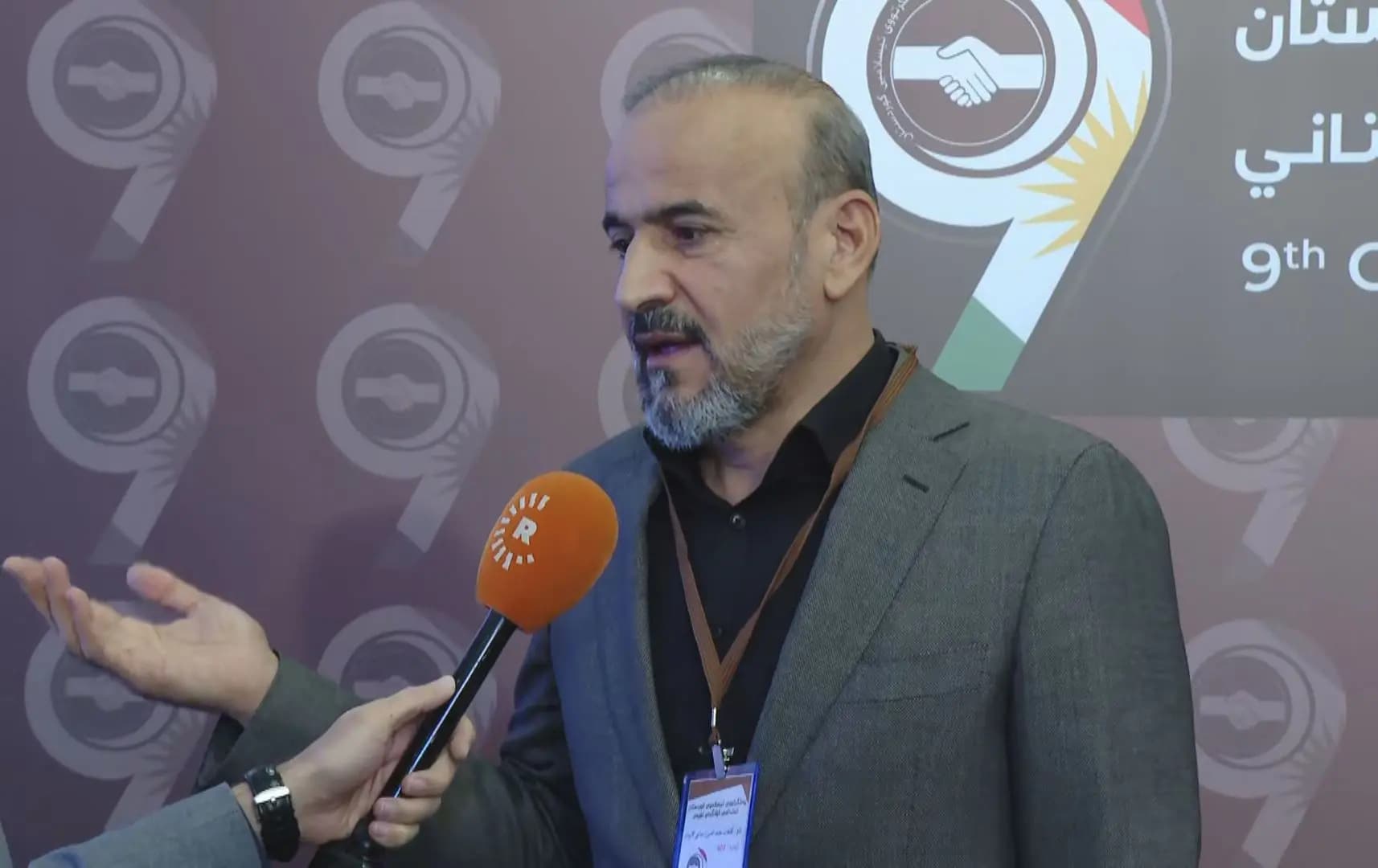
Sami Jalal, a legal advisor to the Kurdistan Regional Government’s (KRG) Interior Ministry and head of its negotiating team on customs, told Rudaw’s Sangar Abdulrahman that federal officials unilaterally altered a draft agreement to claim full control of the revenues.
“This is an unauthorized personal modification and a legal violation, as they altered the clause without informing us or consulting the [Baghdad-based] Ministerial Council for Economy,” Jalal said.
The dispute stems from a July 7 meeting of the Ministerial Council for Economy in Baghdad, chaired by Iraqi Finance Minister Falih al-Sari, which left three major issues unresolved: the status of unofficial border crossings, customs exemptions to protect local products, and the distribution of customs revenues.
Jalal, who visited Baghdad last week to resolve the remaining points, said the KRG recognizes seven crossings as official that Baghdad considers unofficial, while six are mutually recognized.
While the two sides reached an understanding on the first two points in July, they drafted two options to resolve the revenue dispute: either Baghdad receives 100 percent of customs revenues collected at KRG borders, or the revenues are split evenly into two separate accounts at the point of collection.
Jalal claimed Baghdad failed to share the meeting minutes with the KRG delegation. When the issue was presented to the Iraqi Council of Ministers weeks later, Jalal said the clause had been altered to mandate that all revenues return to Baghdad's treasury as an agreed-upon resolution.
During the subsequent Council of Ministers meeting, Iraqi Prime Minister Ali al-Zaidi reportedly proposed a compromise allowing Erbil to keep 100 percent of the collected revenue, provided an equal amount is deducted from the KRG's monthly federal budget share.
"We rejected this entirely, as we requested a 50 percent revenue share and insisted that the Kurdistan Region's constitutional status be respected,” Jalal said.
The breakdown contradicts recent statements from both sides suggesting an imminent deal. On August 11, KRG Interior Minister Reber Ahmed announced that the revenue-sharing mechanism had been "finalized" at 50 percent and that no impediments remained to implementing the ASYCUDA customs system.
On Friday, Samer Qasim Dawood, head of Iraq's General Customs Authority, told Rudaw that Erbil and Baghdad were in the final phase of preparations.
"We expect practical steps to implement the system and train staff in the Kurdistan Region to begin in early October this year," Dawood said.
Erbil and Baghdad signed a 16-point agreement in June to resolve trade disputes, which included unifying customs tariffs and introducing ASYCUDA to the Kurdistan Region. The electronic platform, developed by the UN, digitizes customs procedures and is already operational at all 22 federal border crossings in Iraq.
The lack of a final agreement has severely impacted merchants in the Kurdistan Region. Under recent federal procedures, importers must pay customs authorities in advance through the ASYCUDA system to access US dollars at the official government rate of 1,300 Iraqi dinars.
Excluded from the system, Kurdish merchants have been forced for months to purchase dollars on the parallel market, where the rate fluctuates between 1,450 and 1,540 dinars, driving up the cost of imported goods.
.jpg&w=3840&q=75)