
ERBIL, Kurdistan Region - The spokesperson of the Kurdistan Region Presidency said Wednesday that there are “positive” signals from Baghdad to modify the contentious 2027 budget bill. His statement coincides with the Kurdistan Regional Government (KRG) expressing concern over the allocated ratio of the budget for the Region.
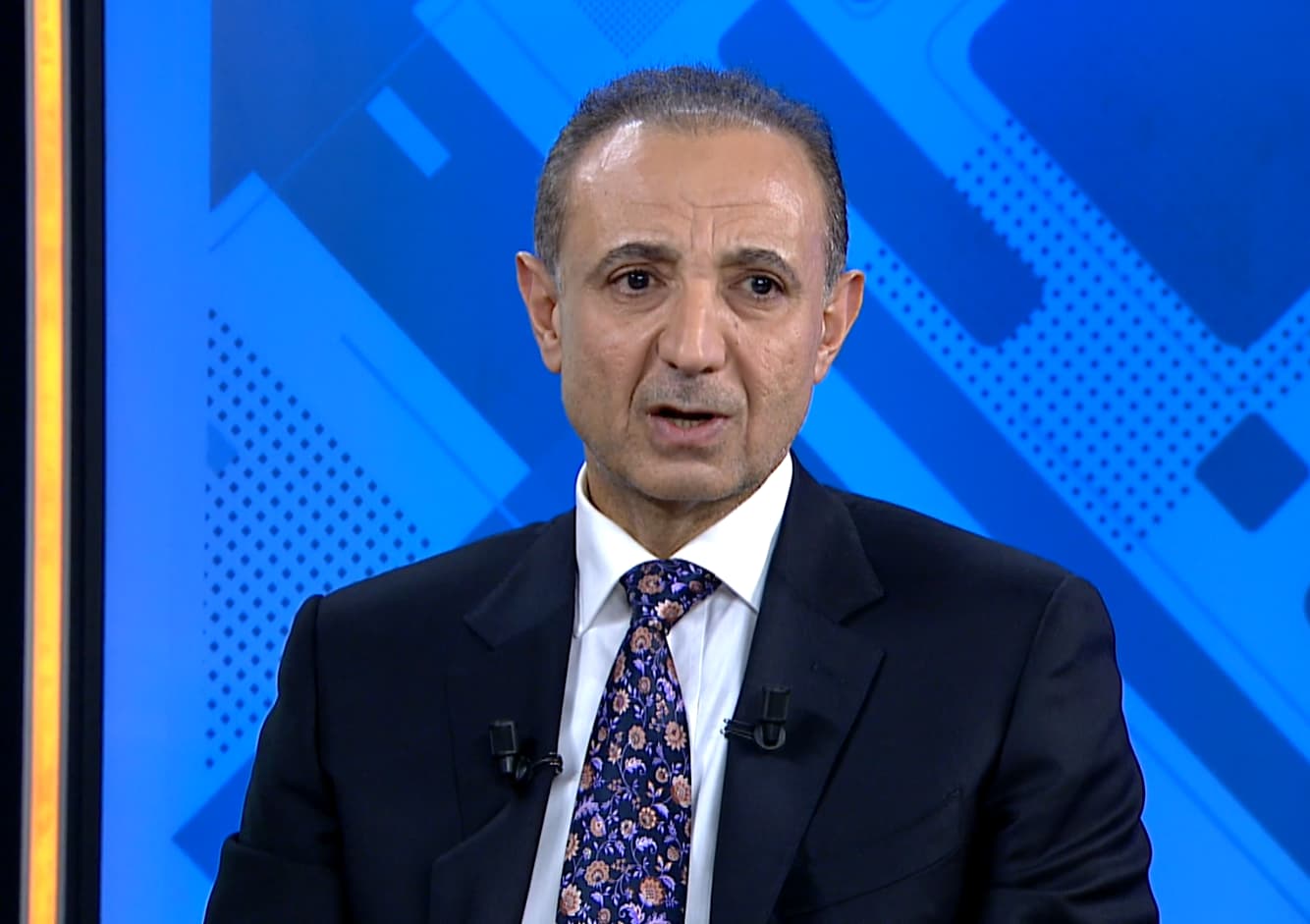
"There is a positive understanding to modify the draft,” Dilshad Shahab told Rudaw’s Nwenar Fatih in an interview, adding that the KRG has “fully fulfilled its legal responsibilities” toward Baghdad.
“Based on the vision of the Iraqi Prime Minister [Ali al-Zaidi] and the current preparations, we are very optimistic about amending the draft and remain rest assured that it will not pass in its current form,” he noted.
Earlier on Wednesday, the KRG Council of Ministers in its regular meeting expressed “observations and concerns” over a “detailed report” submitted by its negotiating team with Baghdad about meetings with the federal interior ministry over the 2027 budget bill.
It also “reaffirmed that the actual population ratio of the Kurdistan Region stands at 14.14 percent” parallel to the results of the 2024 nationwide census, while insisting that the ratio “must serve as the primary legal baseline” for determining the Region’s share in the Iraqi national budget for next year.
Baghdad passed a three-year federal budget law in 2022, under which previous arrangements set the KRG's share at roughly 12.5 percent after deducting sovereign expenditures, including defense and foreign affairs.
The KRG has demanded 14.1 percent of the national budget based on the country's recent census in 2024, as the Iraqi government prepares the 2027 budget bill for submission to parliament before the end of the year.
However, Kurdish officials and political parties have rejected the current draft. Danar Abdulghafar, a lawmaker from the Kurdistan Democratic Party, told Rudaw on Monday that they will not vote for the bill allocating a below-six percent share if submitted to the parliament.
“After deducting sovereign expenditures,” he said, the Kurdistan Region’s share allocation falls below 6 percent, set at 13.308 trillion dinars [$10.2 billion], compared to 16.498 trillion dinars [$12.7 billion] in the 2023 budget law."
Meanwhile, Harem Kamal Agha, head of the Patriotic Union of Kurdistan’s (PUK) bloc in the Iraqi parliament, told Rudaw at the time that he is “confident that it will be modified, and that is why we will vote for it in its amended form, not as it currently stands."
The first and most important point for us is that the salaries and financial entitlements of Kurdistan Region employees are not linked to anything. We are working now to prevent other issues, such as the Asycuda system, from obstructing this.
The KRG has fully fulfilled its legal responsibilities. Based on the vision of the Iraqi Prime Minister and the current preparations, we are very optimistic about amending the draft and remain rest assured that it will not pass in its current form."
The budget disputes between the KRG and the Iraqi government primarily revolve around oil and custom revenues.
Baghdad is demanding that Erbil hand over 400,000 barrels per day (bpd) starting next year, while the latter is seeking a lower figure between 250,000 and 280,000 bpd, Dilan Ghafoor, a PUK lawmaker said earlier this week.
The Kurdistan Region Presidency spokesperson, Shahab, told Rudaw in his Wednesday interview that the “first important point” for Kurdish leadership in the budget talks is that the “salaries and financial entitlements of Kurdistan Region employees are not linked to anything.”
The disputes date back to 2014 when disagreements between Erbil and Baghdad over independent oil exports through Turkey triggered a prolonged political and economic crisis.
The persistent disputes have resulted in delayed and inconsistent salary payments for public sector employees across the Kurdistan Region, alongside frozen administrative promotions and deductions from civil service pension funds.
.jpeg&w=3840&q=75)