
ERBIL, Kurdistan Region - Kurdish leaders have rejected a number of proposals conveyed by Baghdad, including deploying the Iraqi army along the Kurdistan Region's international borders, placing border crossings under international management and expanding federal control over oil resources, a senior Kurdish source familiar with the discussions told Rudaw on Sunday.
“The Iraqis are asking that the entirety of Iraq's borders, including the Kurdistan Region, come under the Iraqi Army,” the source, speaking on the condition of anonymity, told Rudaw's Sangar Abdulrahman, adding that the proposals also included reviewing the status of territories disputed between Erbil and Baghdad under Article 140 of the Iraqi constitution.
The demands come as Baghdad moves to restore federal control over Jurf al-Sakhr, a longstanding stronghold of the Iran-aligned Kataib Hezbollah, following investigations into alleged oil smuggling.
A separate leaked intelligence report has also alleged that oil was being smuggled from Kirkuk and Sulaimani province through Iran and onward to Afghanistan, prompting federal investigations into suspected smuggling networks extending into the Kurdistan Region.
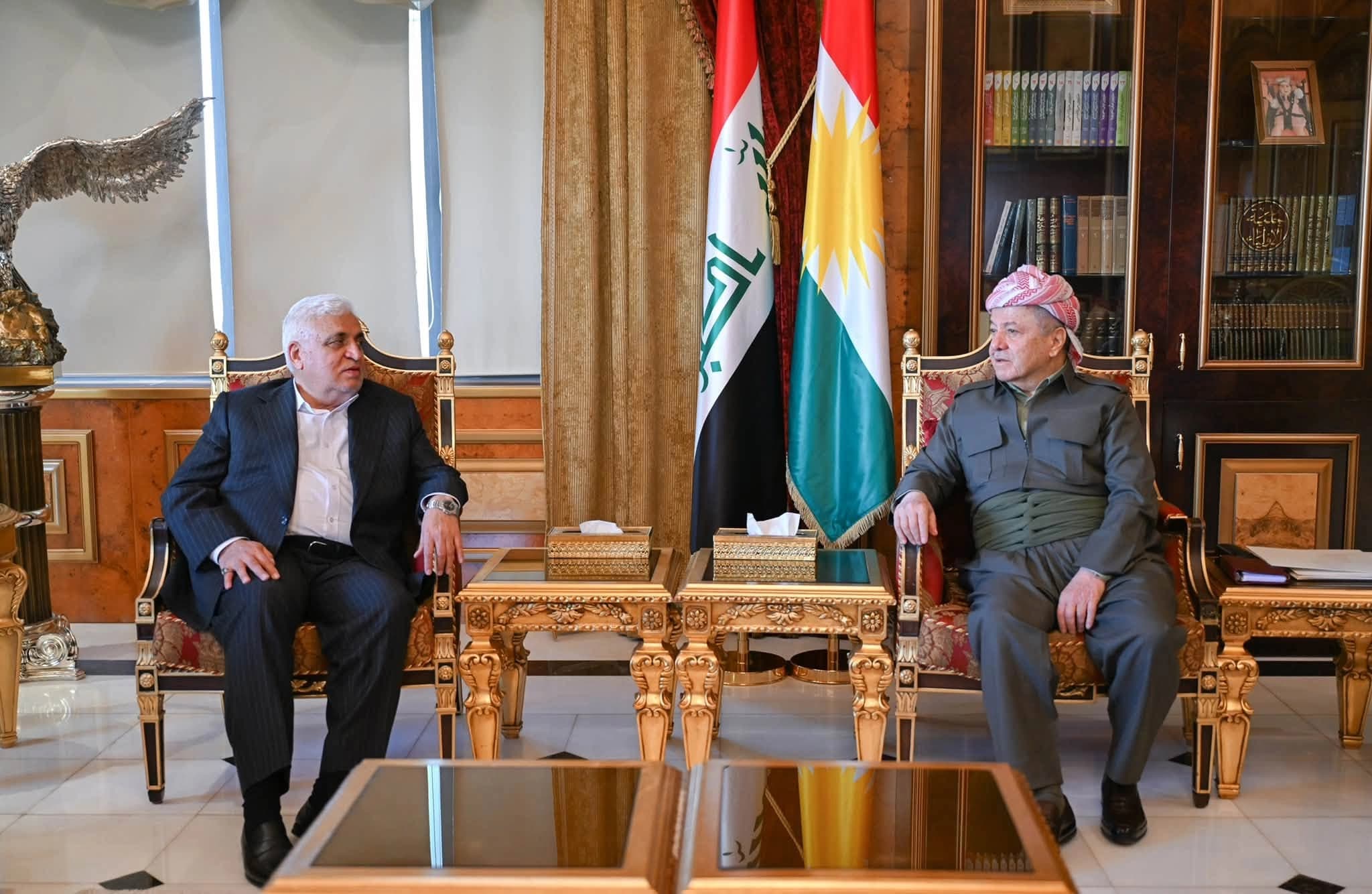
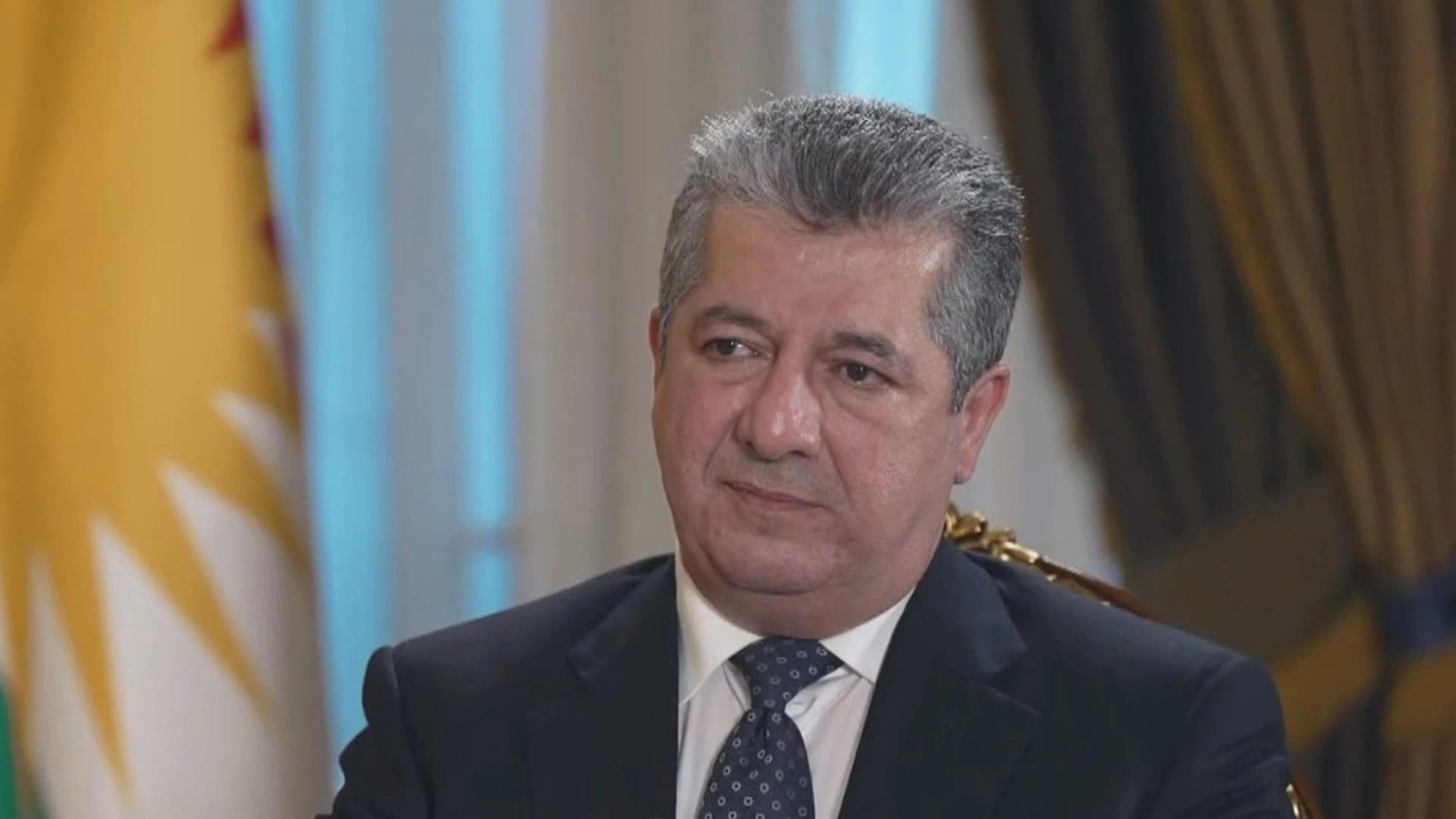
Chairman of the Popular mobilization forces Falih Fayyadh visited Erbil and met Kurdistan Democratic Party (KDP) leader Masoud Barzani, Kurdistan Region President Nechirvan Barzani and Prime Minister Masrour Barzani on Saturday. Official statements from the meetings emphasized "resolving outstanding disputes between Erbil and Baghdad through the constitution" but did not disclose the specific proposals.
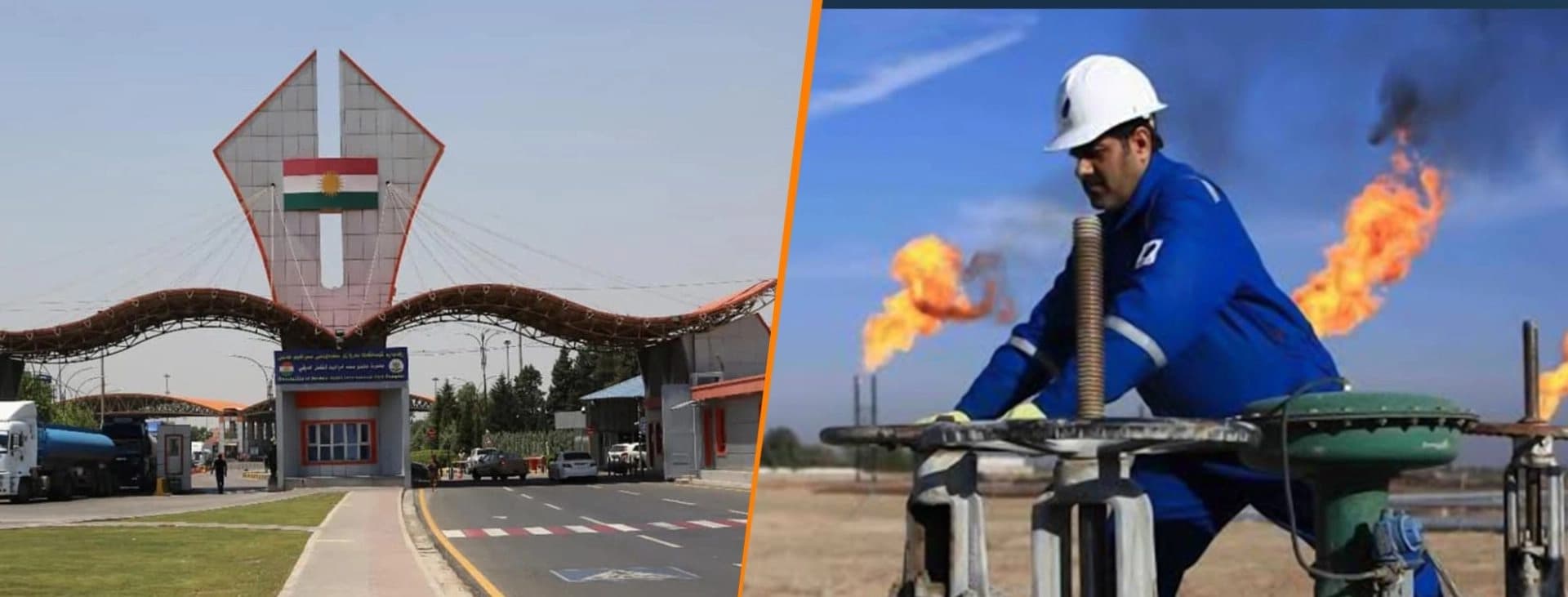
According to the source, the Iraqi side proposed that a neutral international company administer the Kurdistan Region's border crossings with Iran and Turkey in a bid to monitor trade movements and prevent smuggling.
The second proposal called for Iraqi army units, rather than federal border guards, to deploy along the Region's international borders in coordination with Kurdish Peshmerga forces.
The source said Baghdad had proposed coordinating the deployment with the Peshmerga beforehand, although the type of weaponry and military equipment the Iraqi army would bring remained unclear.
The proposals also included reopening discussions over the territories disputed between Erbil and Baghdad under Article 140, with the Iraqi side arguing that some areas currently treated as disputed should be removed from that designation.
Article 140 of Iraq's 2005 constitution provides for normalization, a census, and a referendum to determine the status of Kirkuk and other disputed territories, including areas of Nineveh, Diyala and Salahaddin provinces.
The constitutional process was supposed to be completed by December 2007 but remains unimplemented. Iraq's Federal Supreme Court ruled in 2019 that the article remains in force until its provisions are fulfilled.
Finally, on the topic of oil, the source said Baghdad demanded that fields that were not under Kurdistan Regional Government (KRG) control before 2003 be returned to federal authority, alongside a broader proposal to place the Region's entire oil sector under exclusive federal control.
Oil management has long been among the most contentious issues between Erbil and Baghdad. Article 112 of the constitution provides for joint management of production from existing oilfields by the federal government and producing regional and provincial authorities, although the two sides have repeatedly disagreed over the scope of their respective powers.
The Kurdish side rejected all four proposals, according to the source.
The demands come amid an expanding federal campaign against oil smuggling, which began with investigations in Jurf al-Sakhr in Babil province.
Prime Minister Ali al-Zaidi has vowed that no part of Iraq would remain a haven for smuggling, “from Zakho to Basra,” as his government expands investigations beyond Jurf al-Sakhr.
Iraqi government spokesperson Haider al-Aboudi also said on Monday that there was a possibility of Iraqi army forces entering parts of the Kurdistan Region as part of the nationwide crackdown.
On Wednesday, Interior Minister Yasser Sakheel al-Maliki told parliament that the government had deliberately begun its anti-smuggling campaign in Iraq's predominantly Shiite central provinces to demonstrate that no community would be exempt.
“We started with our own flesh in the Middle Euphrates, within our own community,” Maliki said, emphasizing that the ministry would pursue suspected oil smuggling throughout Iraq without discrimination.
The developments also follow remarks by Prime Minister Masrour Barzani on Saturday expressing concern over fears that the Iraqi army could attack the Kurdistan Region following the withdrawal of US forces.
Barzani said it was troubling that people within one country could feel they needed foreign military protection against forces from their own state, while stressing the need for Baghdad to respect Iraq's federal system and the Kurdistan Region's constitutional rights.
Neither the Iraqi government nor Fayyadh's office has publicly confirmed the proposals described by the Kurdish source.