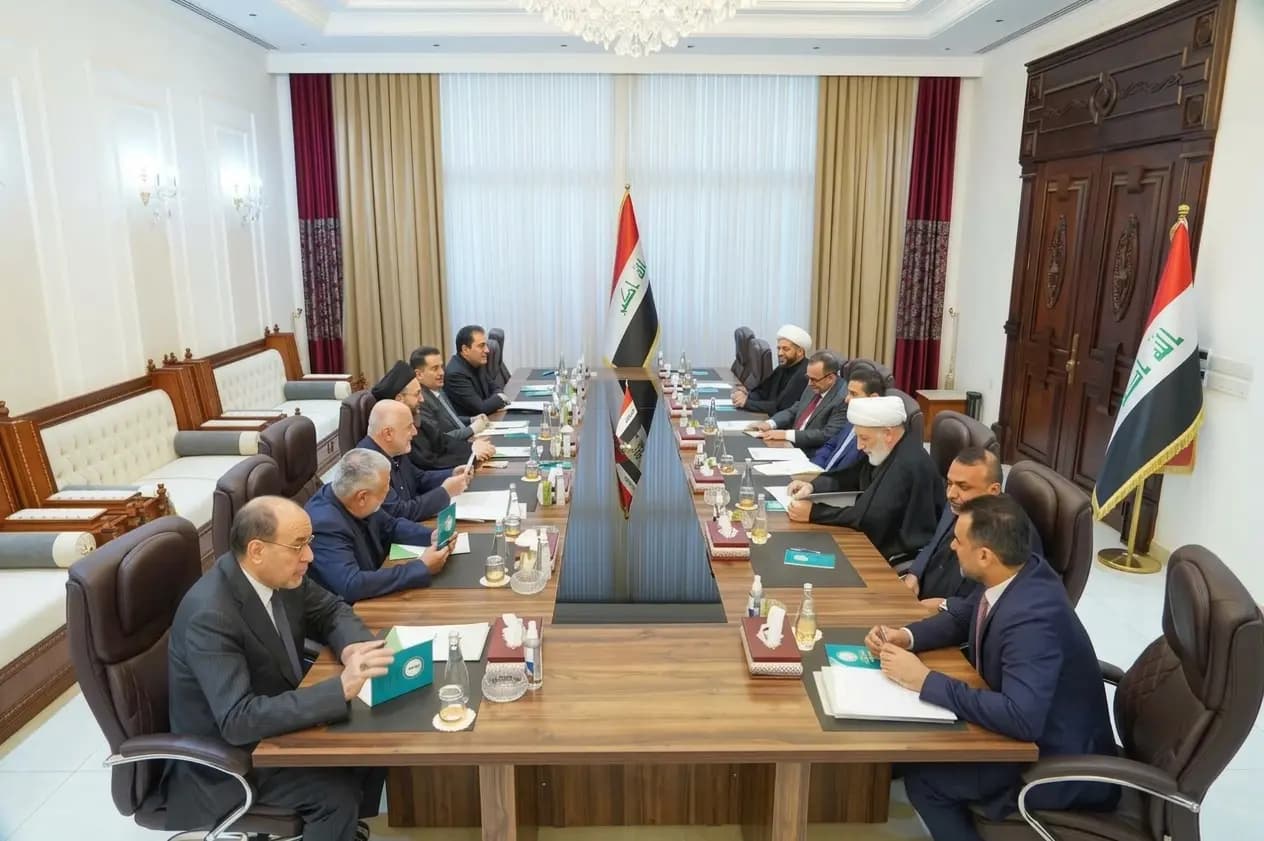
ERBIL, Kurdistan Region - Kurdistan Region Prime Minister Masrour Barzani on Sunday received Turkish Energy Minister Alparslan Bayraktar in Erbil to discuss boosting energy cooperation between the two sides and the resumption of Kurdish oil exports via Turkey.
“The meeting discussed the development of relations between the Kurdistan Region and Turkey, especially in the field of energy,” read a statement from the Kurdistan Regional Government (KRG) after the meeting.
“The two agreed to eliminate all obstacles to the export of oil from the Kurdistan Region through the [Turkish] port of Ceyhan as soon as possible,” the statement added.
Oil exports from the Kurdistan Region through the Iraq-Turkey pipeline have been halted since March 2023 after a Paris-based arbitration court ruled in favor of Baghdad. The court determined that Turkey had violated a 1973 pipeline agreement by permitting Erbil to independently export oil starting in 2014.
In early February, the Iraqi parliament approved amendments to the federal budget law, which included a $16 per barrel production and transport fee for international oil companies (IOCs) operating in the Kurdistan Region. This move is considered a critical step toward restarting oil exports.
Nevertheless, negotiations between Iraqi and Kurdish officials, as well as IOCs, have yet to yield concrete results. While IOCs demand payment guarantees and contractual security, Baghdad insists on federal oversight, and Erbil seeks a resolution that safeguards its economic interests.
However, negotiations between Iraqi and Kurdish officials, as well as with IOCs, have yet to result in a definitive resolution. IOCs are seeking guarantees of payment and contractual security, while Baghdad insists on federal oversight. Erbil, meanwhile, aims for a solution that protects its economic interests.
On Saturday, Iraqi government spokesperson Bassem al-Awadi told Rudaw that the main obstacles to the resumption of the Kurdistan Region's oil exports have been cleared, and that exports "may restart this month."
Minister Bayraktar also met with the KRG’s acting Minister of Electricity Kamal Mohammed.