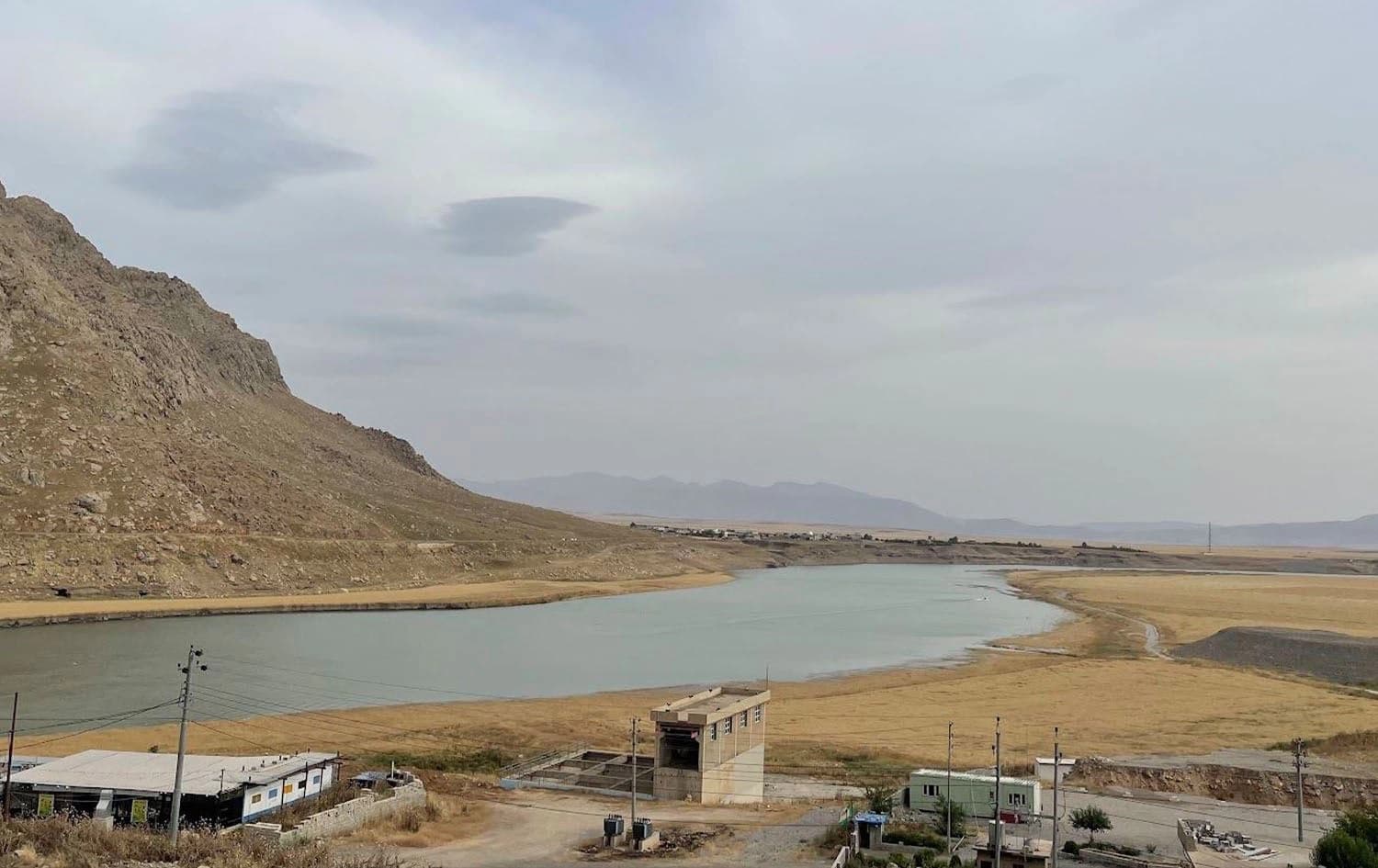

ERBIL, Kurdistan Region - Water levels in the Kurdistan Region’s Raparin administration are already declining with summer yet to come and an official on Tuesday warned of major shortages, especially for drinking water.
"Now at the beginning of spring, the water has significantly decreased, so in summer we will face a major water shortage problem, especially for drinking water," Salam Omar, head of Raparin’s water directorate, told Rudaw.
He said that while Iran has not held back water this year on the Little Zab River, dams in its western Kurdish areas (Rojhelat) are below capacity, leading to less water flow across the border.
“In previous years, their dams would fill up and they would release water, so better water would flow, Omar explained.
The Little Zab River originates in northwestern Iran’s Zagros Mountain range and follows a roughly 400-kilometer-long course, marking a stretch of the border before turning into the Kurdistan Region where it fills the Dukan reservoir, and eventually flows into the Tigris River.
Iran has been damming the river since 2011.
"For initial solutions to the drinking water issue, we have notified our superiors in writing,” Omar noted, emphasizing the necessity of drilling wells.
Salam Omar stated that the under-construction Dalga Dam in Raparin would resolve the water shortage issues in both the administration and Sulaimani.
Iraq is the fifth most vulnerable to climate change, including water and food insecurity, according to the UN. It is facing a severe water shortage because of reduced precipitation, higher temperatures, and waste mismanagement.
Scorching temperatures exceeding 50 degrees Celsius are routinely recorded in Iraq and the Kurdistan Region in the summer, coupled with water scarcity, desertification, and reduced rainfall.
The World Resources Institute places Iraq among 25 countries that face extreme water stress, meaning that it is using over 80 percent of its available supply of water and is at risk of running out of water in case of any short-term drought.
Soran Hussein contributed to this report.