
"Some of the Kurdistan Region's demands require another amendment to the budget law,” Basim Ghribawi told Rudaw on Friday.
Erbil and Baghdad have agreed that exports will begin at 185,000 barrels per day with the federal government covering a $16 per barrel production and transportation fee for the oil companies.
Ghribawi said the Kurdistan Regional Government (KRG) wants to also produce 115,000 barrels of oil for domestic consumption and “have the [Iraqi] Ministry of Oil take responsibility” for the production costs.
“This is the point of contention,” he said.
Abdulsahib al-Hasnawi, the spokesperson of the Iraqi oil ministry, on Monday said that the “primary challenge” to negotiations stems from “non-constructive steps” and “unrealistic demands” made by some parties, who he did not name, operating outside the existing legal framework.
He also said that both Erbil and Baghdad are “rushing” to resume exports and that there are no “major disagreements” between them.
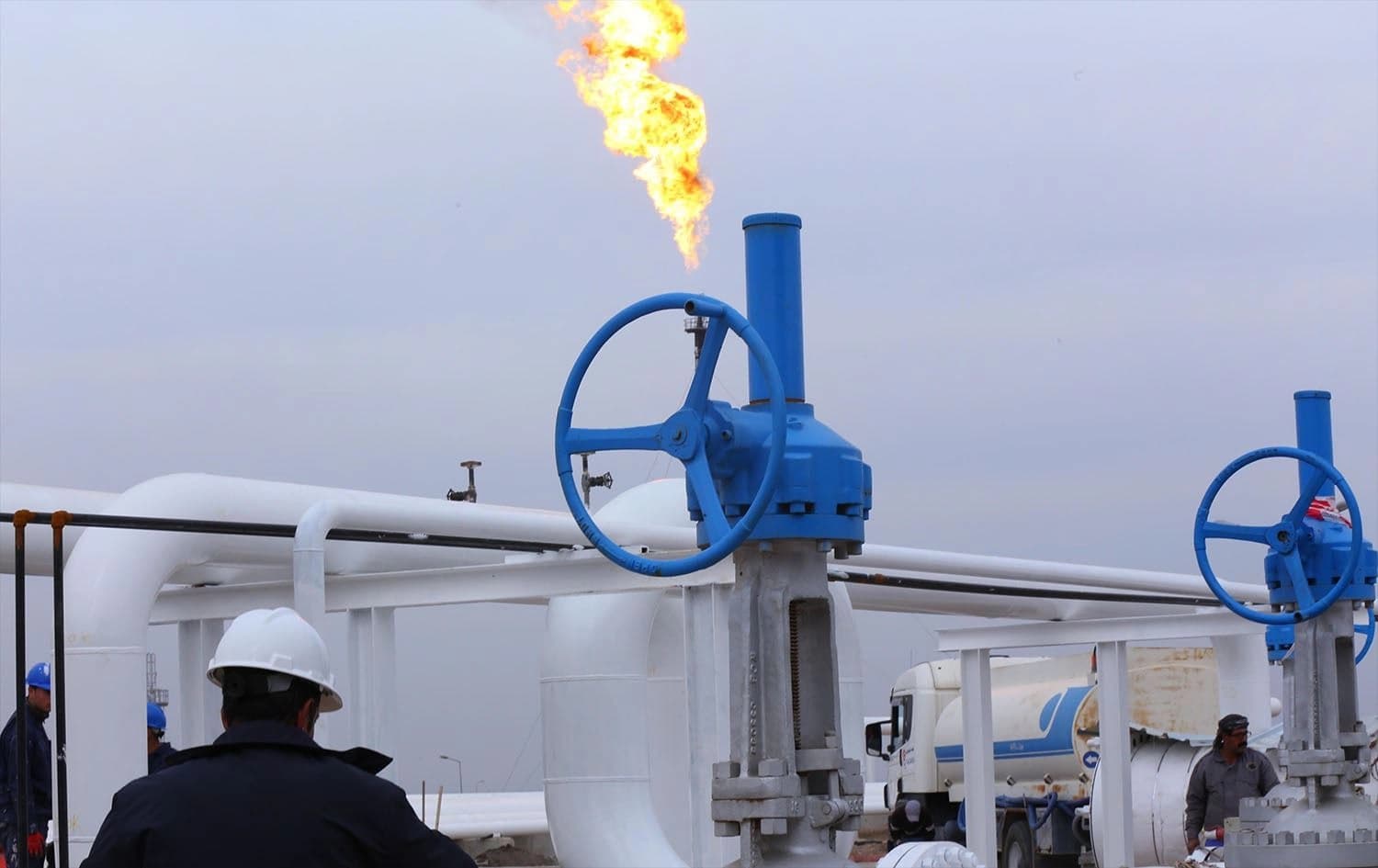
Oil exports from the Kurdistan Region through the Iraq-Turkey pipeline have been suspended since March 2023 after a Paris-based arbitration court ruled in favor of Baghdad that Ankara had violated a 1973 pipeline agreement by allowing Erbil to export oil independently.
In February, the Iraqi parliament passed amendments to the federal budget law, authorizing $16 per barrel in production and transportation fees - a key step toward restarting Kurdish oil exports.
The amended budget law also set a 60-day deadline for the Iraqi government and the KRG to establish an international consultancy body to assess those costs. If they do not meet the April 17 deadline, the federal council of ministers will appoint one.
Another point of contention is a demand from oil companies for payment of their financial dues from before the suspension of oil exports in 2023, but Baghdad has informed them that this debt is Erbil's responsibility.
In late March, the Association of the Petroleum Industry of Kurdistan (APIKUR), a coalition of eight international oil companies operating in the Kurdistan Region, accused the Iraqi government of being "unwilling" to negotiate a solution that honors their contracts with Erbil, claiming Baghdad was instead attempting to unilaterally alter the terms.
The suspended exports have cost billions of dollars in revenue.