ERBIL, Kurdistan Region - The ninth edition of the Sulaimani Forum is set to kick off on Wednesday at the American University of Iraq, Sulamani (AUIS), bringing together high-level leaders, diplomats, and policy experts to discuss the evolving role of Iraq and the Kurdistan Region in a rapidly shifting geopolitical landscape.
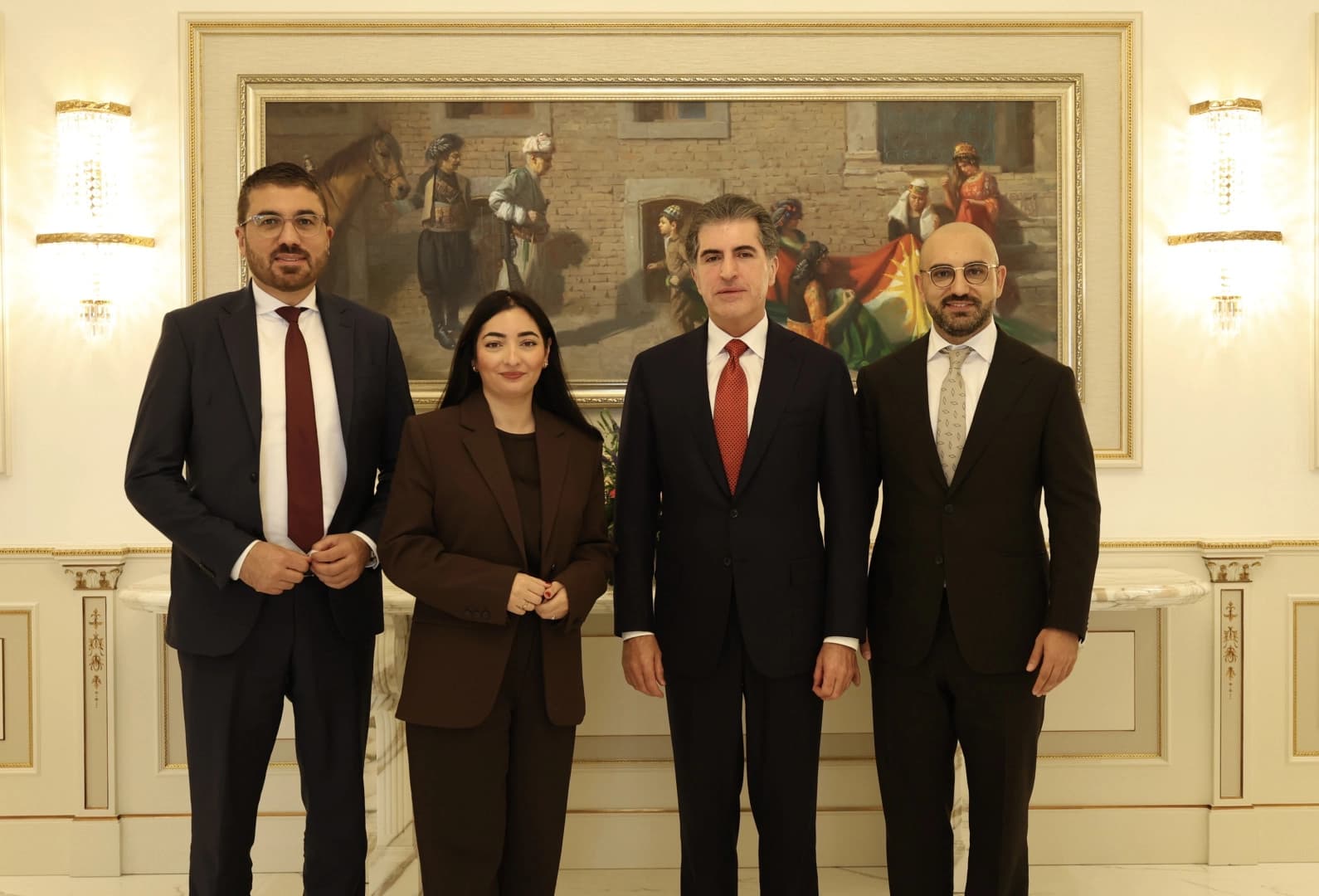
The annual event, organized by the Institute of Regional and International Studies (IRIS), will feature top officials from the Kurdistan Region, including President Nechirvan Barzani, Prime Minister Masrour Barzani, Deputy Prime Minister Qubad Talabani, as well as the leader the Patriotic Union of Kurdistan (PUK), Bafel Talabani.
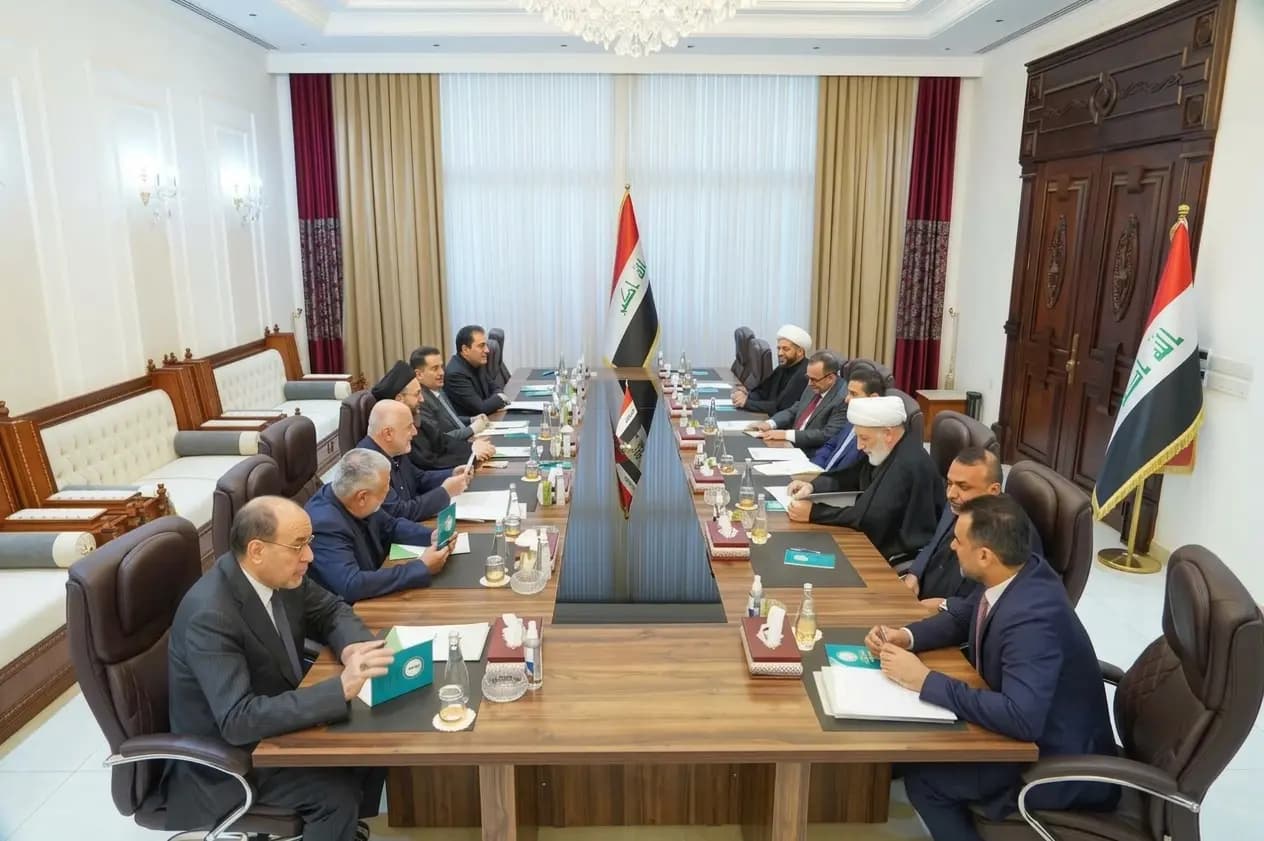
From federal Iraq, guests are expected to include Prime Minister Mohammed Shia’ al-Sudani, Oil Minister Hayyan Abdul Ghani Basra and Environment Minister Hallo Askari. The governor of Basra province Asaad al-Eidani and the head of the Hikmah Movement Ammar al-Hakim are also expected to participate.
This year’s forum convenes against the backdrop of fast-moving and complex developments across the Middle East.
Over the past two years, the region has seen a surge in conflicts, including the Israel-Hamas war that erupted following Hamas’ October 7, 2023 attack on southern Israel. The conflict triggered a devastating Israeli military campaign in Gaza.
A ceasefire that took effect in January 2025 collapsed on March 18, leading to renewed Israeli offensives that have killed more than 1,000 Palestinians and injured over 2,500, according to Gaza’s health ministry. Israel has stated that its operations aim to secure the release of 59 hostages still held by Hamas.
Meanwhile, Syria has entered a volatile new phase after a coalition of opposition forces launched a swift offensive in December 2024, ousting Syrian dictator President Bashar al-Assad. Syrian dictator Bashar al-Assad.
Syria now faces significant transitional challenges, including the creation of an inclusive governance framework, the integration of armed groups into state forces, and economic and infrastructure reconstruction after a near decade and a half of war.
In parallel, regional diplomatic activity has also intensified.
Talks between the United States and Iran over Tehran’s nuclear program resumed in Oman on April 12. Additionally, efforts to resolve the longstanding conflict between Turkey and the Kurdistan Workers’ Party (PKK) have gained traction.
Simultaneously, diplomatic efforts to resolve the Russia-Ukraine war continue, with US President Donald Trump engaging in direct talks with Russian President Vladimir Putin to broker a ceasefire.
Against this complex regional and global backdrop, the Sulaimani Forum will focus on how the MENA region - including Iraq and the Kurdistan Region - is navigating a new era of uncertainty.
Domestically, the forum will address critical political and economic challenges, with panels exploring the country’s efforts to modernize energy infrastructure, diversify the economy among other things.
There will also be a strong emphasis on inter-regional cooperation, with discussions around the Development Road initiative and the potential for Iraq to become a trade and energy hub.
Broader themes such as climate, energy, and health security within a global context are also expected to be on the agenda.
The forum will span two days, April 16-17, with aims of linking local realities with regional and international dynamics and fostering inclusive dialogue.