The disarmament, marked by a bonfire reminiscent of Newroz - the Kurdish New Year once banned in Turkey - was held near a cave in Kurdistan Region’s rugged mountains in northern Iraq, the same historic site where Kurdish intellectuals printed an outlawed newspaper more than a century ago.
As the flames consumed the rifles, many in attendance viewed it not just as a tactical move, but as the possible turning point in a long and costly war. The fighters’ disarmament came in response to a rare video message from their jailed leader, Abdullah Ocalan, who has been imprisoned on an island near Istanbul since 1999.
In his statement, Ocalan - long a symbol of the Kurdish nationalist cause - declared that the time for armed struggle had passed, citing new efforts by Turkey to acknowledge Kurdish identity and culture.
“The PKK, for the sake of the people, says we want peace, we want tranquility,” said Shame Shingal, a mother whose daughter remains among the ranks of the PKK. “And this has filled us with joy.”
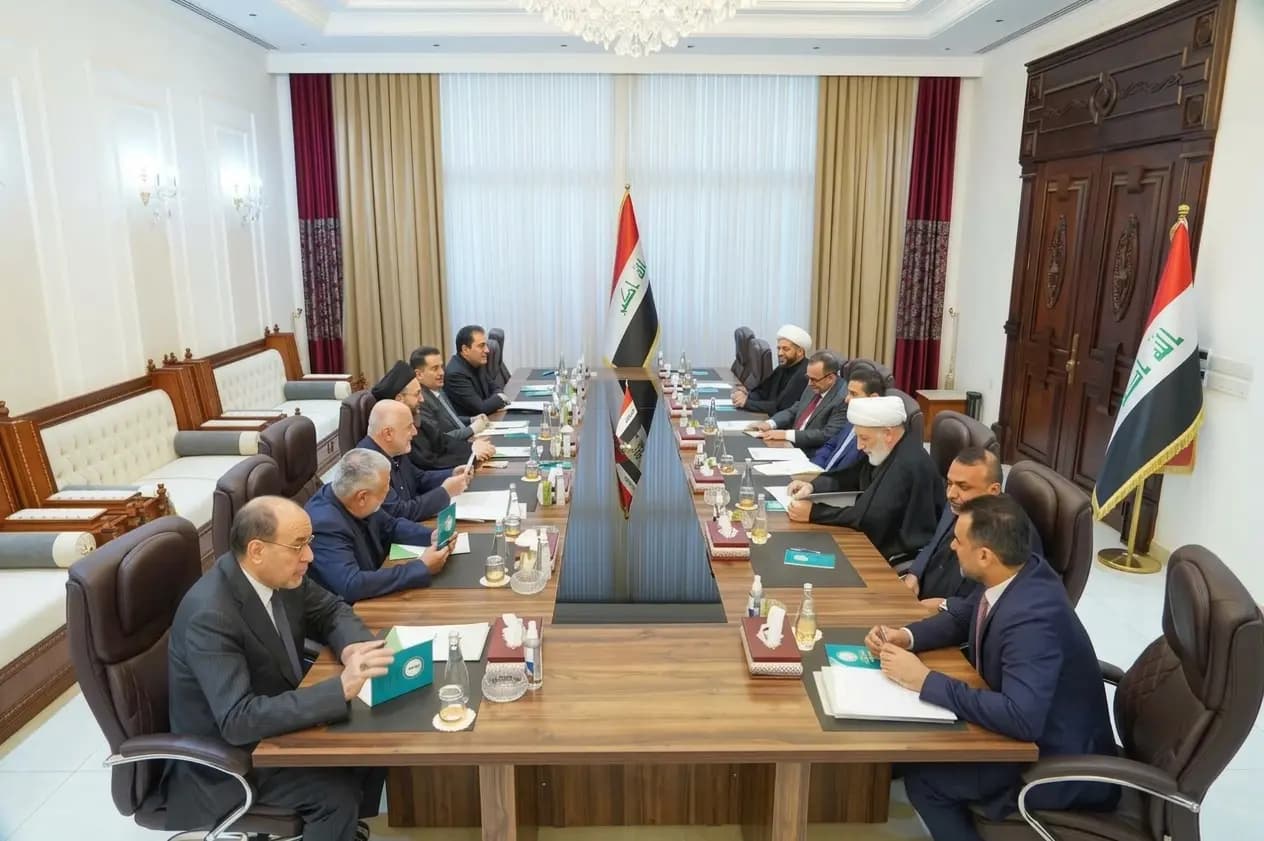
The ceremony, attended by government officials and lawmakers from Turkey, Iraq, and the autonomous Kurdistan Region, was held under heavy security, with helicopters circling overhead.
Among those present was Mohammed Penjwini, a prominent Kurdish intellectual and longtime friend of Ocalan. He voiced cautious optimism, noting that previous peace efforts had failed due to interference by what he called the “Deep State” - a reference to shadowy nationalist elements within Turkey’s bureaucracy and military.
“The hope today is that this process - unlike the previous one, which took four or five years and was ultimately derailed - will succeed,” Penjwini said. “Because the leader of the Deep State, Mr. [Devlet] Bahceli, has embraced it. That is the only hope for its success.”
Founded in 1978, the PKK is a secular, militant group that blends Marxist and Kurdish nationalist ideologies. It has waged a long and bloody insurgency against the Turkish state, a conflict that has claimed more than 40,000 lives, most of them Kurdish. Turkey, a NATO member, the US and European Union have designated the PKK as a terrorist organization.
The group’s decision to relinquish its arms - even if only symbolically for now - has been met with measured approval from analysts, peace advocates and even Turkish government officials.
The fighters returned to their mountainous hideouts unarmed, a move seen by some as a genuine step toward lasting peace. Still, skepticism remains. Much will depend on how Turkish authorities respond in the weeks and months ahead, and whether a roadmap can be forged to eventually bring the fighters down from the mountains for good.