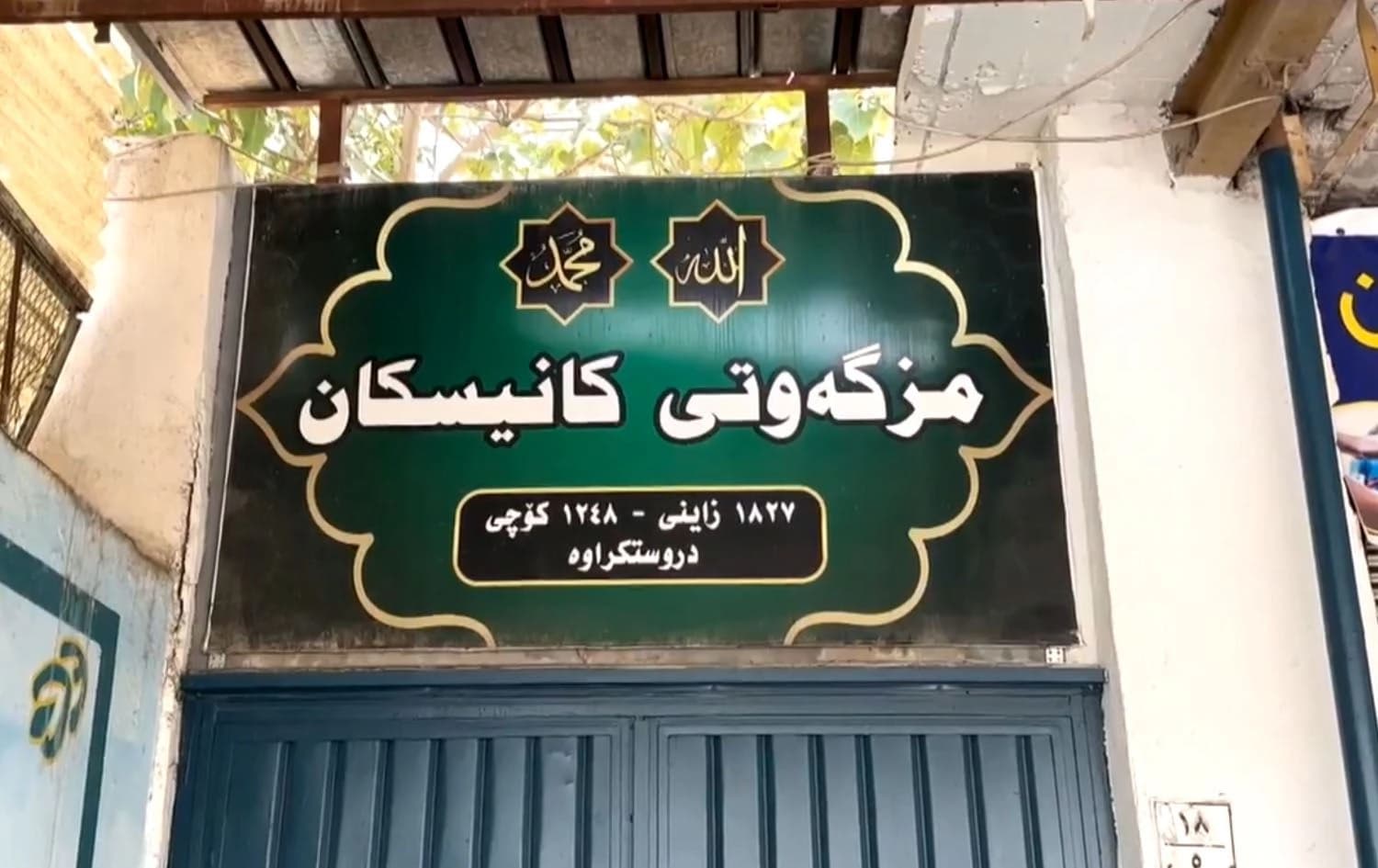

ERBIL, Kurdistan Region - A 198-year-old mosque in Sulaimani has closed its doors to collective prayers as drought and a deepening water crisis leave residents without water at homes and places of worship.
A spring that used to feed the mosque in the Kaniskan neighbourhood has dried up.
“This spring used to be a water source, full of water, but now unfortunately there is no water left in it,” Hasan Tawfiq, an 86 year old who spent his whole life praying at the mosque, told Rudaw.
Keeping the mosque open now depends on finding water. Over the past nine years, caretakers dug the mosque’s well eight meters deeper in search of water, but to no avail.
Before each of the five daily prayers, Muslims perform wudu, a ritual washing that is both a physical and spiritual act of purification. The practice involves washing the hands, mouth, nose, face, arms, wiping the head, and washing the feet. Beyond cleanliness, wudu symbolizes readiness to stand before God in prayer, and its absence prevents communal prayer in mosques.
“Previously this well had eight meters of water in it, but now only one and a half meters remain, and it takes about a quarter of an hour for the water to accumulate again,” said Idris Hamid, the imam of Kaniskan mosque.
Water from the mosque’s spring and well once flowed to Azadi Park and Sulaimani’s public gardens, but as the sources dried up, the city’s green spaces have withered too.
"This spring was full of water, but unfortunately this water shortage has killed us,” said Nawaro Sharif, the mosque's caretaker. He used to clean the mosque every two days, but now there is not even enough water to drink.
Shops and markets in Kaniskan have been without water for a week, forcing owners to travel long distances to haul in supplies. The city’s main sources of water, including the Dukan reservoir, have dwindled under severe drought, pushing Sulaimani into a deepening water crisis.
Villagers in Sulaimani province's southern Garmiyan administration are also grappling with an escalating water crisis, as drought and extreme water shortages intensify.
In addition to reduced rainfall, a major contributing factor is reduced water flow from neighboring Iran, which is retaining water that would otherwise feed into Dukan Lake. Once a vibrant tourist destination, the lake’s levels have dropped dramatically.