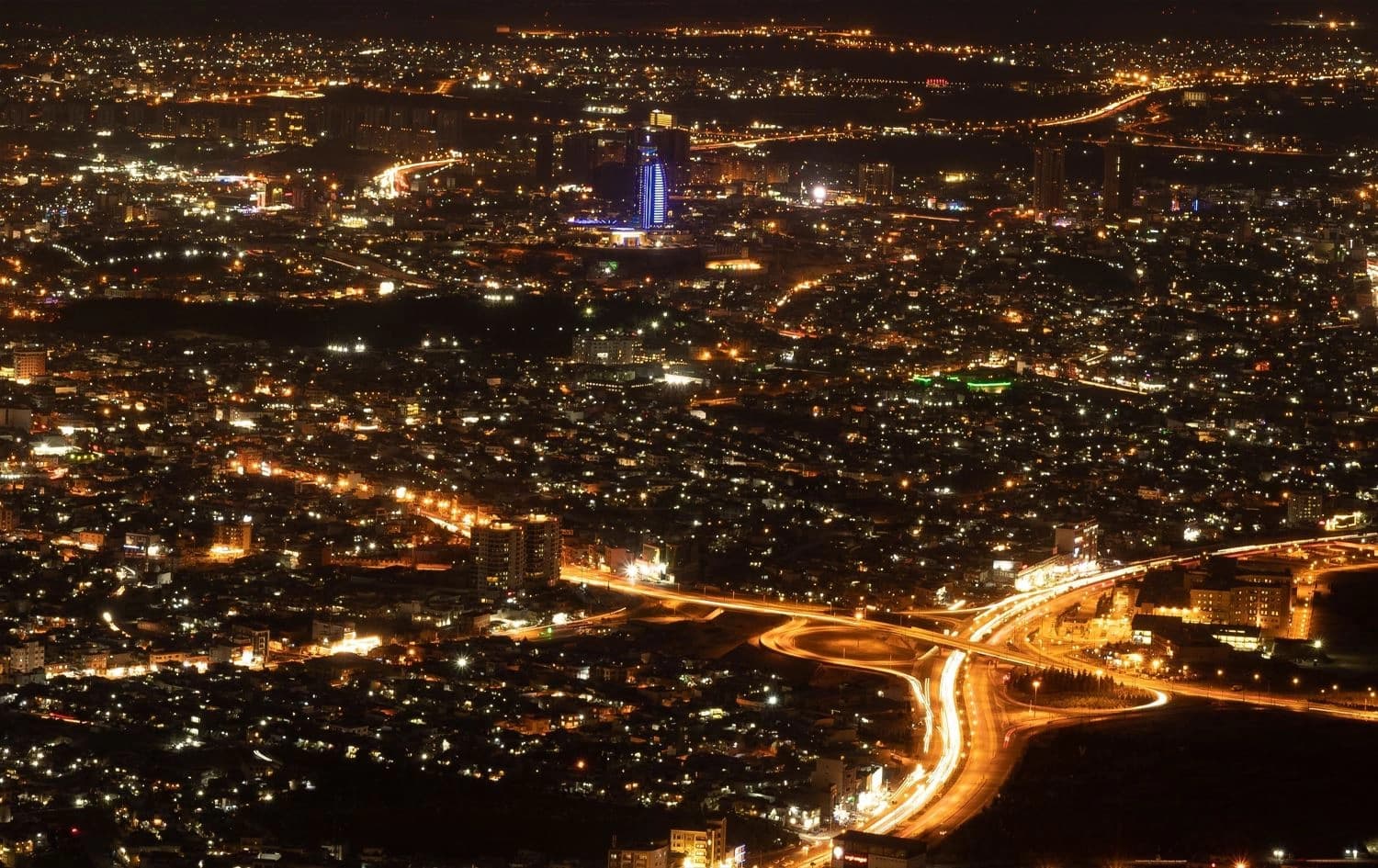

The KRG is advancing efforts to reform and stabilize the energy sector. A key initiative is the Runaki project - meaning “light” in Kurdish - which aims to provide uninterrupted, 24-hour electricity across the Kurdistan Region.
“More than 256,000 subscribers from all categories within Sulaimani city have been included in the Runaki project so far and have 24-hour electricity, which represents 80 percent of Sulaimani city and 52 percent of the province,” Sulaimani electricity directorate spokesperson Sirwan Mohammed told Rudaw.
As a result, 517 generators in the city’s neighborhoods have gone offline, according to Mohammed, “and hundreds of other generators in markets, companies, and homes have also been shut down.”
The remaining 20 percent of the city is set to be subscribed to the project by the end of September, Mohammed said, with nearly three million people across the Kurdistan Region - around 40 percent of the population - having subscribed to the initiative.
For years, many people have relied on private diesel-powered generators, which are costly and polluting, when the national grid would cut out for hours every day.
Erbil accounts for the largest share of beneficiaries of the Runaki project, with nearly 1.5 million residents of the capital enjoying uninterrupted power.
The KRG plans to phase out 7,000 private generators by the end of 2026.
Solar power usage is also a growing trend in Sulaimani, according to Mohammed.
“So far, nearly 1,200 electricity subscribers have registered themselves, through which 25 megawatts of electricity are generated via solar energy and integrated into the national grid. Their excess electricity is integrated and later deducted from their power bills,” he explained.
The Iraqi government is also promoting solar energy as part of efforts to reduce greenhouse gas emissions and address long-standing electricity shortages, especially during the scorching summer months when temperatures can exceed 50 degrees Celsius. The Central Bank of Iraq is offering low-interest loans for individuals and businesses looking to install solar panels.