ERBIL, Kurdistan Region - Officials from Iraq and the Kurdistan Region met on Thursday to discuss joint efforts to reorganize the country’s troubled transport sector, agreeing on measures to reduce reliance on informal networks and strengthen connectivity between provinces.
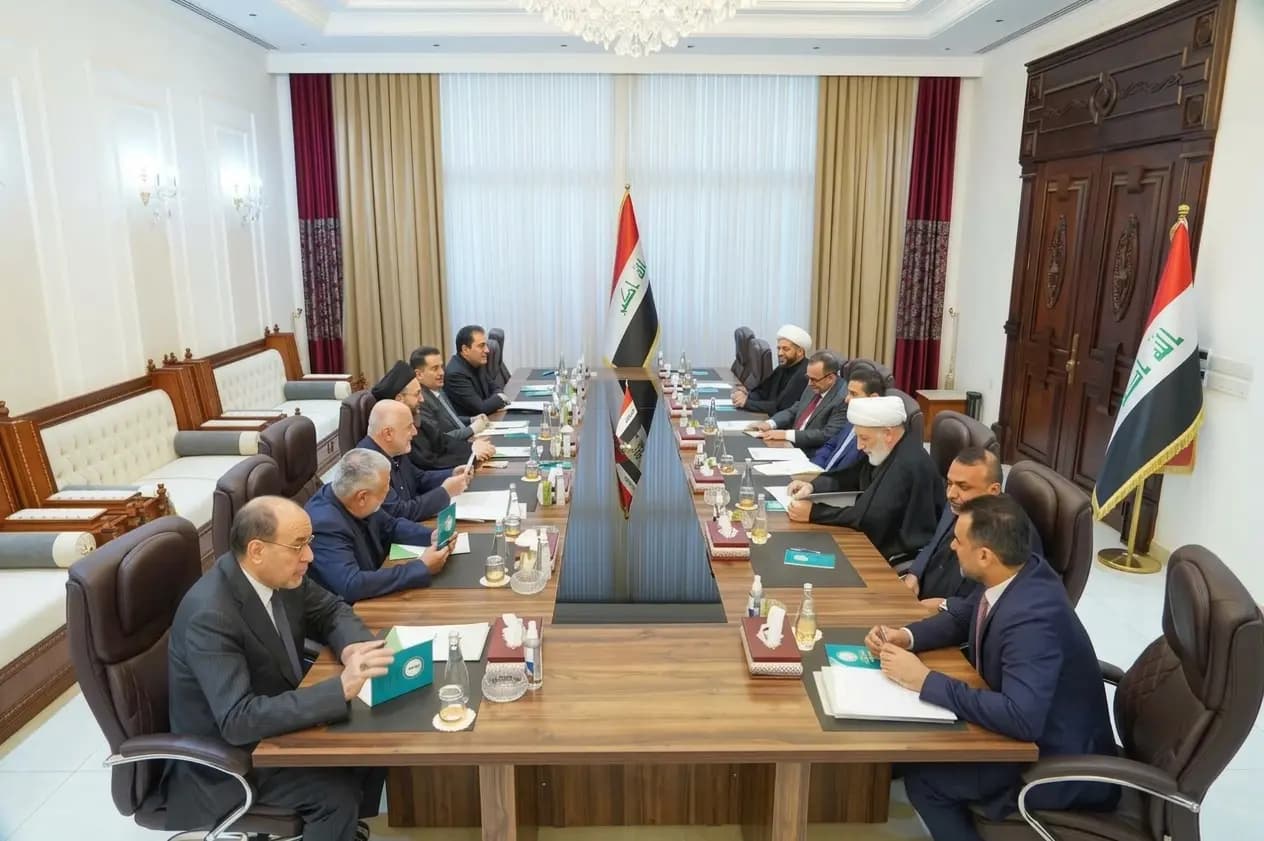
The director of Iraq’s General Company for Private Transport, Ahmad al-Musavi, met in Erbil with Rebaz Mohammed Khalil, director of the Kurdistan Region’s transportation department.
They agreed on a “practical plan” to eliminate random and unregulated transport and establish new lines linking Baghdad to the Kurdistan Region in order to “strengthen mobility and provide more efficient transport services,” according to a statement from the Iraqi transportation ministry.
They also reviewed plans to introduce a unified electronic system to connect garages and terminals to ensure transparency, improve oversight, and align with the ministry’s vision to provide “safe and organized transportation services.”
Public transport in Iraq and the Kurdistan Region is limited and fragmented. Sparse bus routes, irregular schedules, and outdated vehicles force residents to rely heavily on private taxis and shared minibuses, often resulting in high commuting costs and frequent traffic accidents. The lack of an integrated, government-run system has long contributed to congestion, pollution, and inefficiency. Infrastructure development has been stalled by political disputes and underfunding.
Iraq has an ambitious plan to improve its transportation network with the Development Road Project - a flagship initiative designed to connect the Persian Gulf to Turkey through rail and highway links.
The $17 billion project, which aims to boost Iraq’s geopolitical standing and economy by creating thousands of jobs and opening a direct trade route to Europe, currently bypasses the Kurdistan Region. The Kurdistan Regional Government (KRG) has objected to the exclusion of its highways and railways from the main corridor and warned that centralizing trade routes through federal territory could erode its control over customs and border trade.
Erbil has urged Baghdad to revise the route to include the Kurdistan Region’s infrastructure, arguing that doing so would both strengthen the project and ensure fair economic benefits across Iraq.