
ERBIL, Kurdistan Region - Protests and unrest in Iran, particularly in the western Kurdish areas (Rojhelat), have significantly affected transportation and tourism movements between the Islamic republic and the Kurdistan Region, with a sharp decline in travelers and widespread disruption caused by internet blackouts.
Iran has witnessed widespread nationwide demonstrations since late December. Thousands of protesters and security personnel are believed to have been killed. Ongoing internet blackouts and disrupted phone lines have made it extremely difficult for media outlets and monitoring groups to verify the exact death toll.
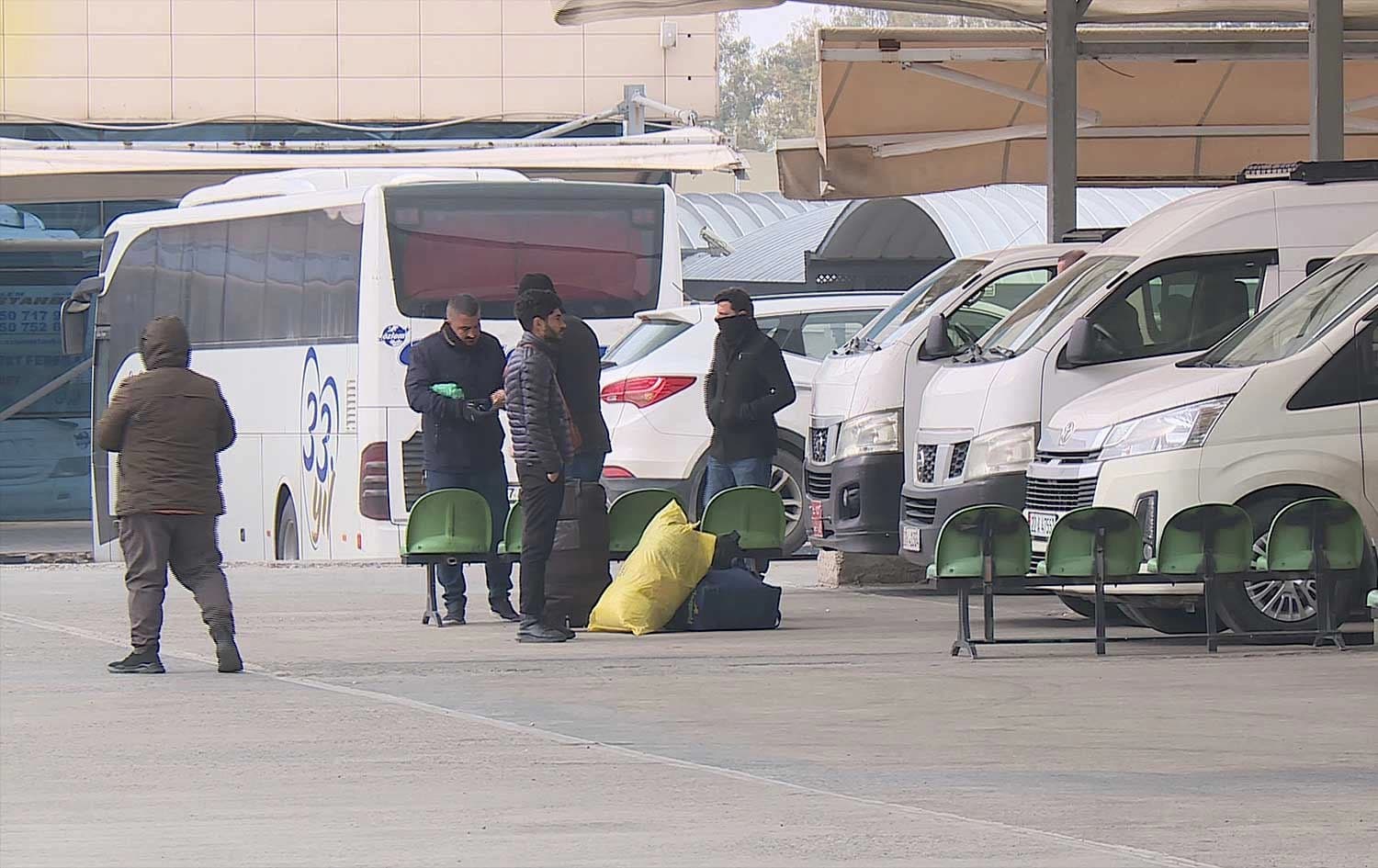
At Erbil’s main transport terminal serving the Haji Omaran international border crossing, the impact is clearly visible. Around 150 taxis operate at the terminal, but drivers say daily trips to the border have dropped by half. Before the protests, more than 100 taxis transported passengers to Haji Omaran each day; that figure has now fallen to about 50.
The deteriorating security situation and communication blackout have also forced travelers to cut their trips short.
Aylem Ahmadi, a young man from Rojhelat who has traveled to Erbil for tourism, says he has to urgently return to Urmia, a Kurdish city in Iran's West Azerbaijan province.
“I am very worried about my family. The internet has been cut off in Iran for several days and I have no news of them, so I am returning to be near them and monitor the situation,” Ahmadi told Rudaw on Thursday.
Drivers operating on the Erbil–Haji Omaran route say the internet shutdown is the main reason for the slowdown.
Omar Khoshnaw, a driver on the line, said travel is now limited to a small group. He noted that only Master’s and PhD students, “particularly those from central and southern Iraq,” are returning from Iran to the Kurdistan Region on their way back to Baghdad.
Herish Mustafa, another driver, described the situation as severely weakened. “Our business has become very weak. No one travels for tourism because there is no internet there. Only people who are currently here but live there are returning,” he said.
In some cases, travelers are heading to the border solely to communicate with relatives.
Abdullah Siddiq, a taxi driver at the terminal, recalled a striking incident: “Three women specifically hired a private car and paid 150,000 Dinars ($102) in fare just to reach Haji Omaran so they could use Iranian SIM cards to call their relatives, as Iranian SIM cards only work in the border areas. After checking on their families, they returned to Erbil immediately.”
Similar conditions are reported at the Bashmakh border crossing in Sulaimani province's Penjwen district. According to figures from the Penjwen–Bashmakh taxi line, which includes 210 vehicles, the number of daily travelers has declined from about 55 vehicles to fewer than 40.
Payam Sarbast contributed to this report from Erbil.