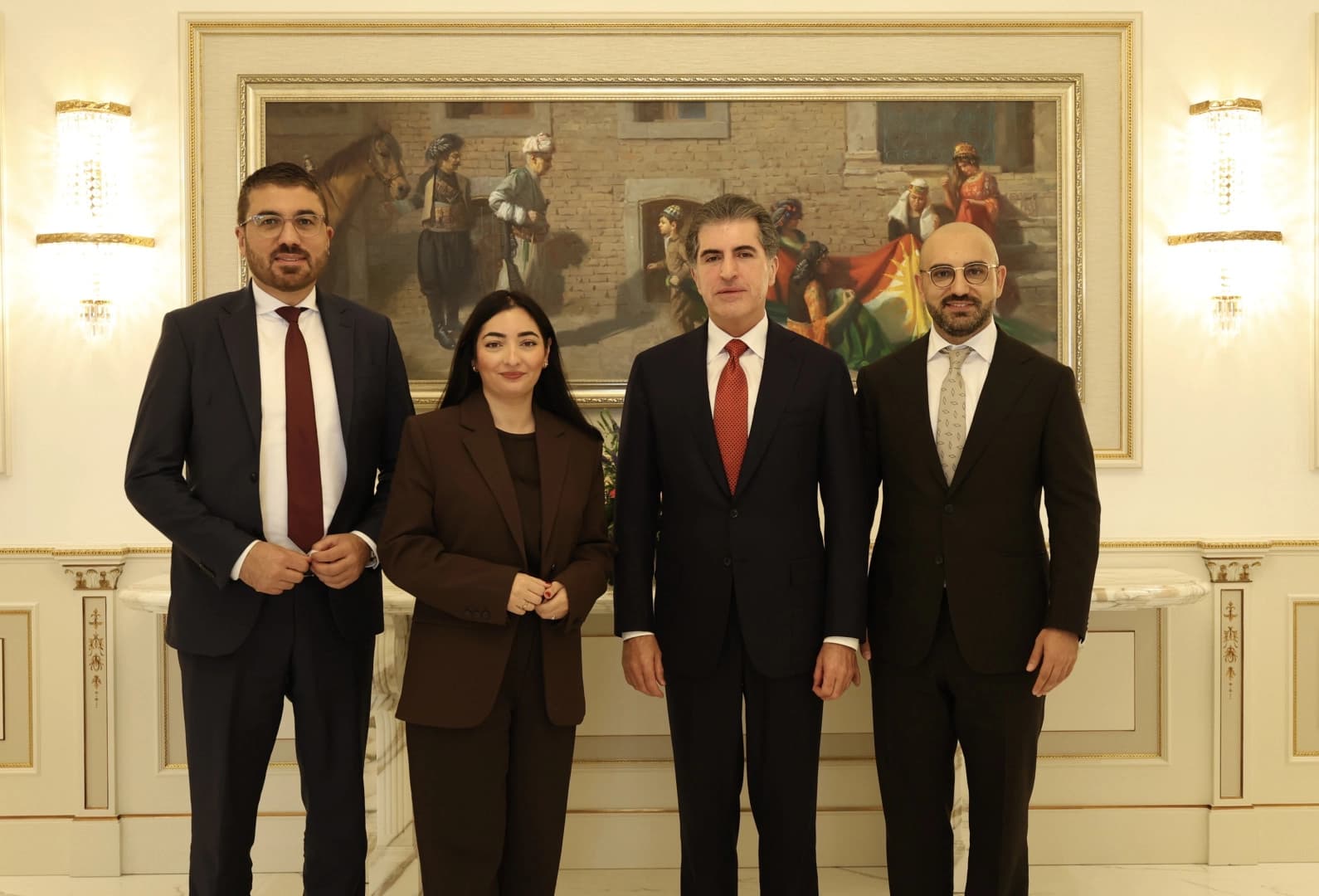
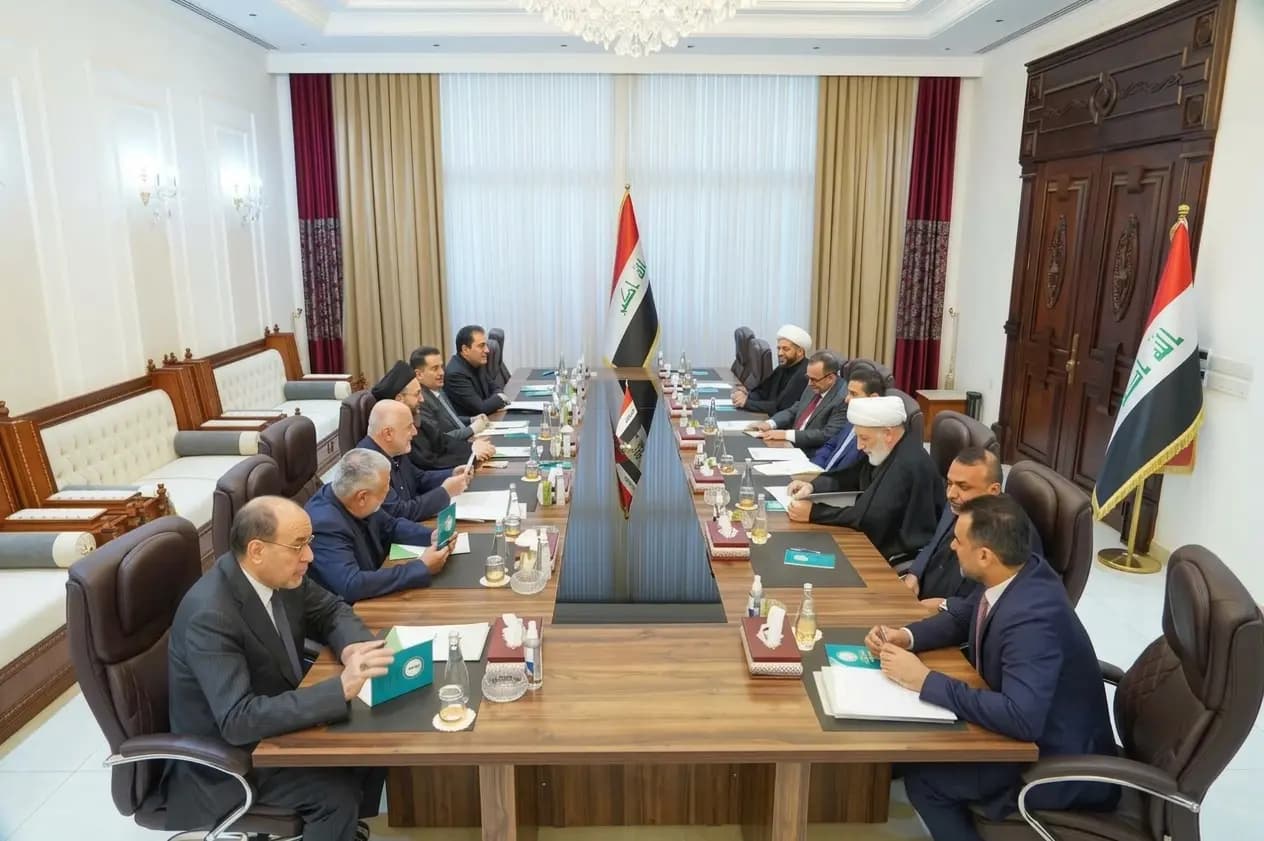
ERBIL, Kurdistan Region - Kurdistan Region President Nechirvan Barzani on Tuesday chaired a high-level military and security meeting to discuss the latest regional security developments and their potential impact on the Kurdistan Region.
The meeting was held at the Kurdistan Region Presidency and attended by Vice President Sheikh Jaafar Sheikh Mustafa, the Peshmerga minister, the interior minister, the Peshmerga chief of staff, and senior Peshmerga commanders.
Participants reviewed the latest security developments in the region, the consequences of the ongoing US and Israel war with Iran, and the potential risks it could pose to the Kurdistan Region.
Barzani stressed that the Kurdistan Region will not become part of regional conflicts.
“The Kurdistan Region will not become part of the wars and conflicts in any way, and maintaining the stability of the country must remain a priority,” Barzani said, according to a statement from the Kurdistan Region Presidency.
He also emphasized that the territory of the Kurdistan Region would not be allowed to become a source of threat to neighboring countries, including Iran.
The meeting strongly condemned drone and missile attacks carried out by “outlawed” Iraqi groups against the Kurdistan Region, which have caused casualties and material damage.
Officials stressed that the Iraqi federal government bears responsibility for preventing such attacks and for identifying and punishing those responsible, noting that the assaults constitute a clear violation of the country’s sovereignty and threaten overall stability.
The Kurdistan Region has been targeted by over 210 drones and missiles in the first 10 days of the war involving Israel and the United States against Iran, killing four people and wounding 19 others, according to monitoring by Rudaw and data from a human rights organization operating in the Region.
Most attacks targeting Iranian Kurdish opposition parties in the Region were carried out by Iran, while Iranian-backed armed groups have claimed responsibility for the majority of attacks launched against other locations in the Region.