
ERBIL, Kurdistan Region - Gas prices across the Kurdistan Region have surged to more than four times their pre-war levels, as ongoing threats posed by regional conflict and repeated attacks on energy infrastructure in the Region disrupt supply and affect daily life.
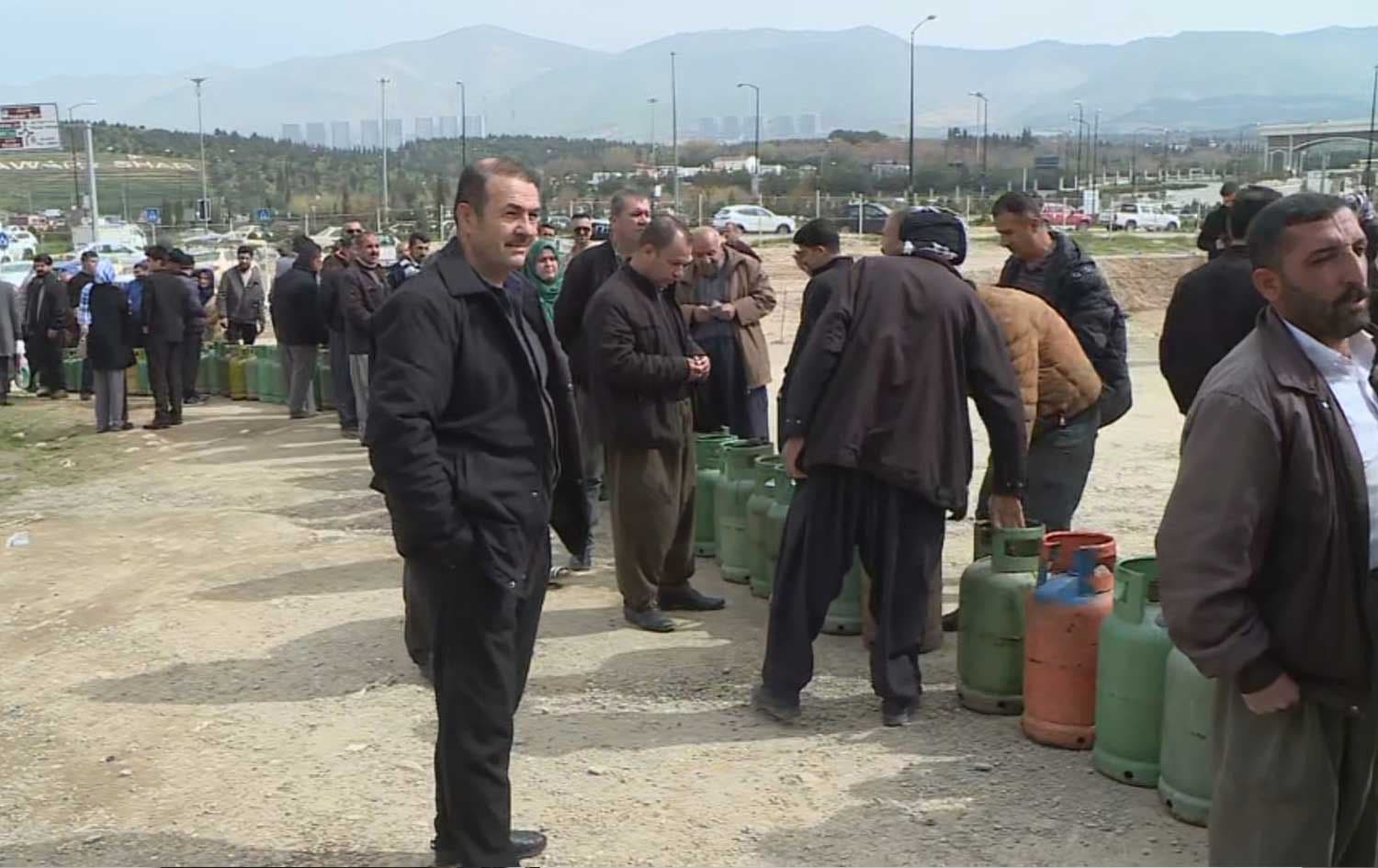
The price of a standard 22-liter liquefied petroleum gas (LPG) cylinder, mainly used for cooking in the Kurdistan Region, has risen from 8,500 Iraqi dinars ($6.48) before the war to as high as 33,000 dinars ($25.18). While gas remains available at elevated prices, it has largely disappeared at the government-subsidized rate.
The surge follows the suspension of operations at the Khor Mor gas field in Sulaimani province, the Region’s main LPG source, amid escalating regional tensions after the United States and Israel launched an extensive air campaign against Iran in late February.
Iran and its aligned armed groups in Iraq have responded by targeting several neighboring countries, including the Kurdistan Region, where hundreds of drones and missiles have been fired at the cities of Erbil, Sulaimani and Duhok, including their energy fields.
Although Khor Mor has been targeted multiple times in the past, operations were halted this time due to security threats rather than direct damage. The suspension of gas supplies to power plants in the early weeks of the conflict sharply reduced electricity generation, leaving many residents with just five to eight hours of electricity per day.
In a joint statement issued in late February, the electricity and natural resources ministries said that “due to the exceptional circumstances and the conflict occurring in the region,” the UAE-based Dana Gas, which operates the field, “has suspended the supply of natural gas to electricity power plants.”
While gas flows to power stations have since increased significantly, LPG supply remains constrained, continuing to drive shortages and high prices across the Region.
The impact has hit businesses hard. “Due to the rising price of gas and other supplies, some bakers and bakeries have closed their shops, which were the source of livelihood for many families, Erbil-based baker Hoshang Rashid told Rudaw on Thursday.
Rising costs are also being passed on to consumers. “This is one of the famous fast-food restaurants in Erbil; they have increased the price of a shawarma sandwich by 250 dinars, which has raised questions among their customers,” said Jamshir Mushir, head of the Erbil bakery owners' council.
In Sulaimani, shortages have led to long queues. “People are standing at factories and gas stations just to get a single cylinder of gas… Even with a lot of money, people struggle to find a cylinder,” said restaurant owner Mohammed Rahman.
Officials say supply has dropped sharply. Hogir Ali, Erbil’s director of trade monitoring, said daily tanker deliveries have fallen from 18 to just three or four, cutting the city's supply by around 80 percent.
Horvan Rafaat contributed to this report from Erbil.