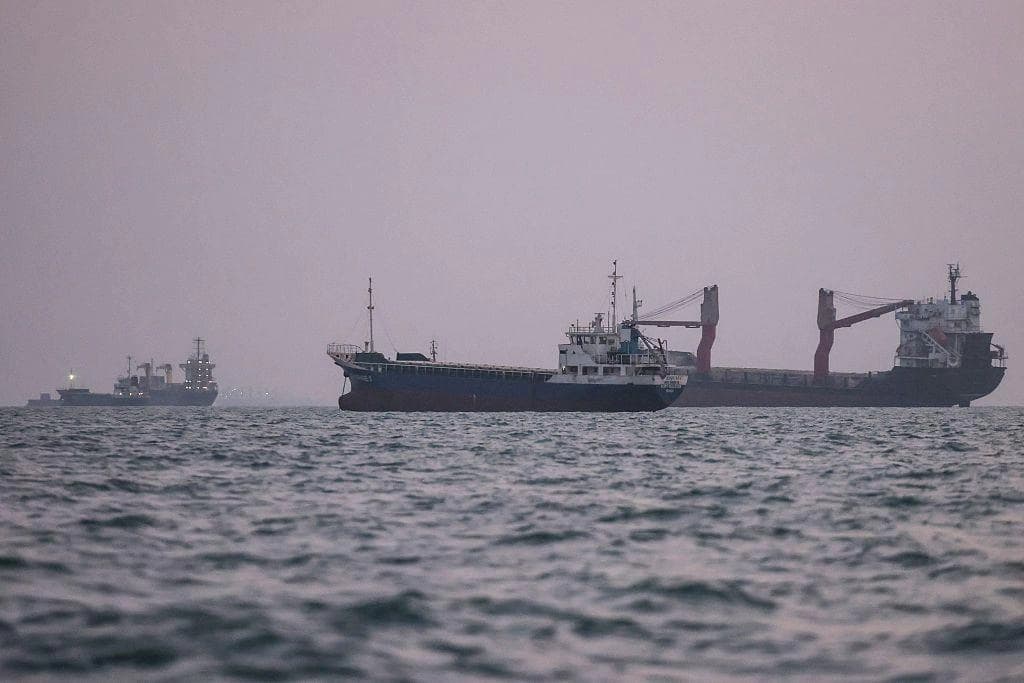
ERBIL, Kurdistan Region - The US military said on Friday that its forces have redirected 139 commercial ships and disabled nine vessels since the enforcement of a blockade targeting maritime traffic linked to Iran began in mid-April.
"U.S. forces continue to strictly enforce the blockade against Iran. CENTCOM has redirected 139 compliant commercial ships and disabled 9 non-compliant vessels since April 13," the US Central Command (CENTCOM) said in a statement.
The blockade, which took effect on April 13, targets vessels entering or leaving Iranian ports as part of Washington's broader pressure campaign against Tehran. CENTCOM has previously said the measures are intended to restrict Iran's maritime activities while maintaining freedom of navigation for vessels transiting the Strait of Hormuz to and from non-Iranian ports.
The latest figures indicate a continued increase in enforcement actions. Two weeks ago, CENTCOM announced that US forces had redirected 100 vessels and disabled four others during blockade operations.
The maritime campaign comes amid efforts by Washington and Tehran to finalize a deal aimed at ending months of tensions and military confrontation. US officials have recently expressed optimism that an agreement could be reached in the coming days, with discussions reportedly focusing on reopening the Strait of Hormuz, dismantling Iran's nuclear program, and establishing a framework for long-term regional stability.
However, conflicting statements from both sides have cast uncertainty over the negotiations. US President Donald Trump on Friday rejected terms of a purported agreement published by Iranian media, insisting that they "have NOTHING to do with the terms that were agreed to, in writing."
Iranian officials have meanwhile denied making several concessions attributed to Tehran in media reports, underscoring persistent differences despite indications that diplomatic efforts are advancing.
The blockade has become one of the central features of the US strategy toward Iran since the latest phase of the conflict erupted on February 28, with both countries exchanging military strikes and accusations over maritime security in the Gulf region. The Strait of Hormuz, through which a significant portion of the world's oil supplies passed before the war, has remained a focal point of the crisis, raising concerns over global energy markets and regional stability.