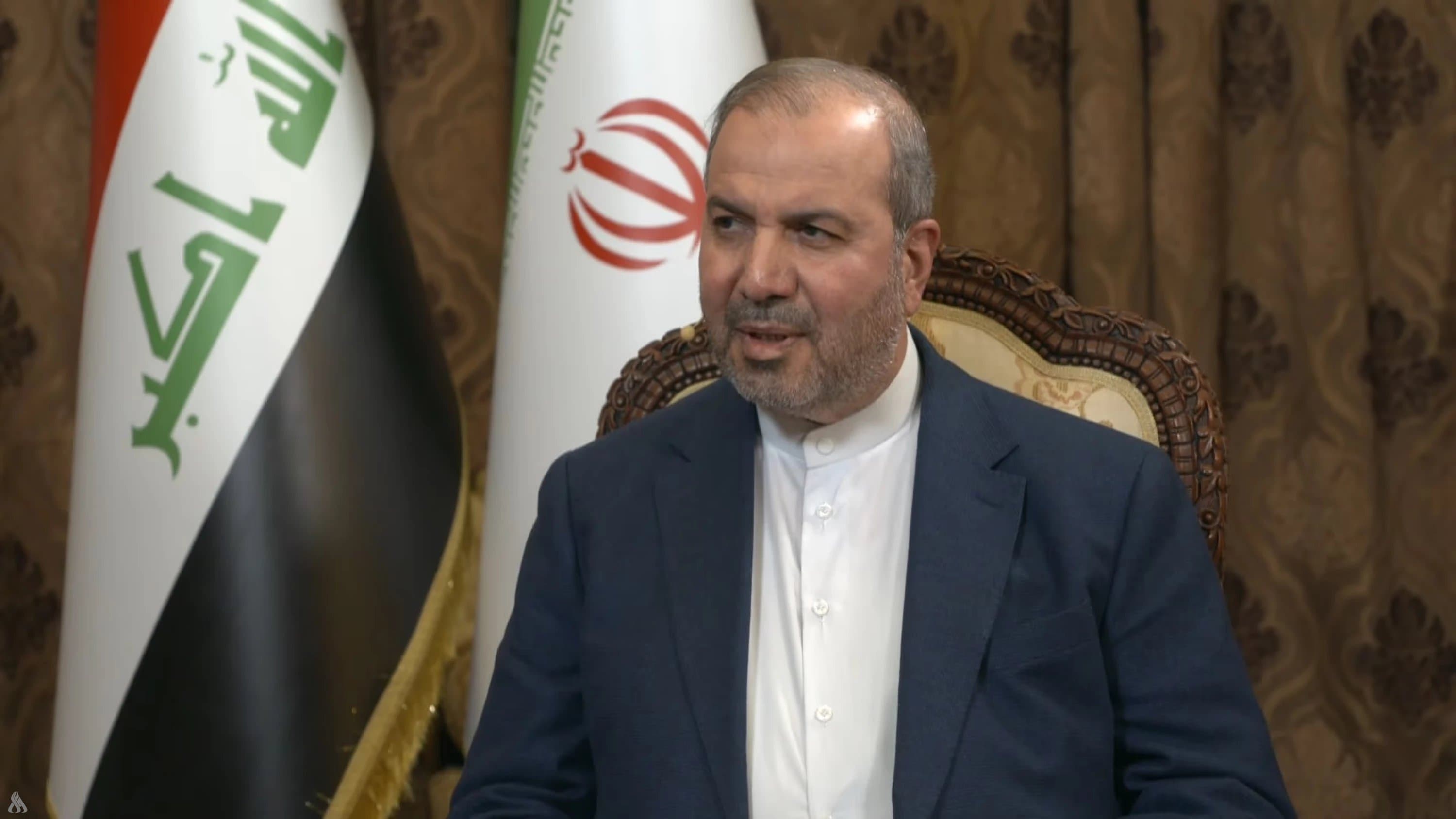
ERBIL, Kurdistan Region - Iran's foreign ministry on Friday condemned a joint statement by US Secretary of State Marco Rubio and Gulf Cooperation Council (GCC) foreign ministers, calling it "interventionist, irresponsible, and provocative" and warning against what it described as continued hostile interference in regional affairs.
In a statement, the ministry said it "considers the positions contained in the joint statement of the US Secretary of State and the Foreign Ministers of the Gulf Cooperation Council... to be interventionist, irresponsible, and provocative, and warns against the continuation of hostile and meddlesome behaviors in the region."
The statement came after Rubio warned that allowing countries to charge ships for using the Strait of Hormuz would create "total chaos" and said there was "zero support" among Gulf states for imposing transit fees. Oman also announced it opposed tolls on the strategic waterway despite earlier discussions with Iran over possible charges.
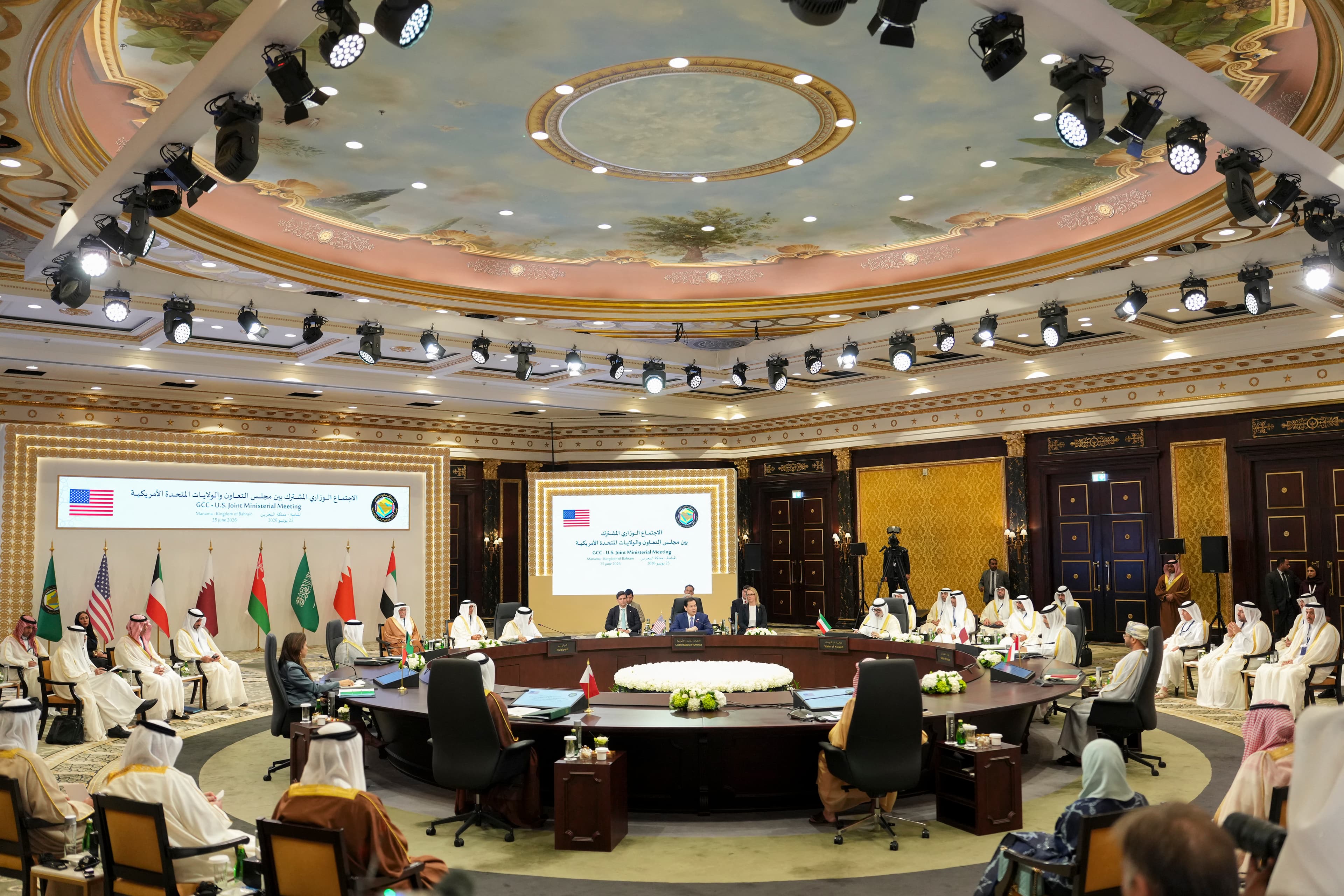
"International waterways do not belong to any nation state. This is a foundational principle in the world today, without which the world would be in total chaos," Rubio told a Gulf Cooperation Council meeting in Bahrain on Thursday.
The remarks come as Iran and the US continue negotiations toward a permanent settlement following a preliminary agreement reached last week that ended months of fighting. The two sides have agreed to pursue a final deal within 60 days and established a direct communication mechanism aimed at ensuring the safe passage of commercial vessels through the Strait of Hormuz while technical negotiations continue.
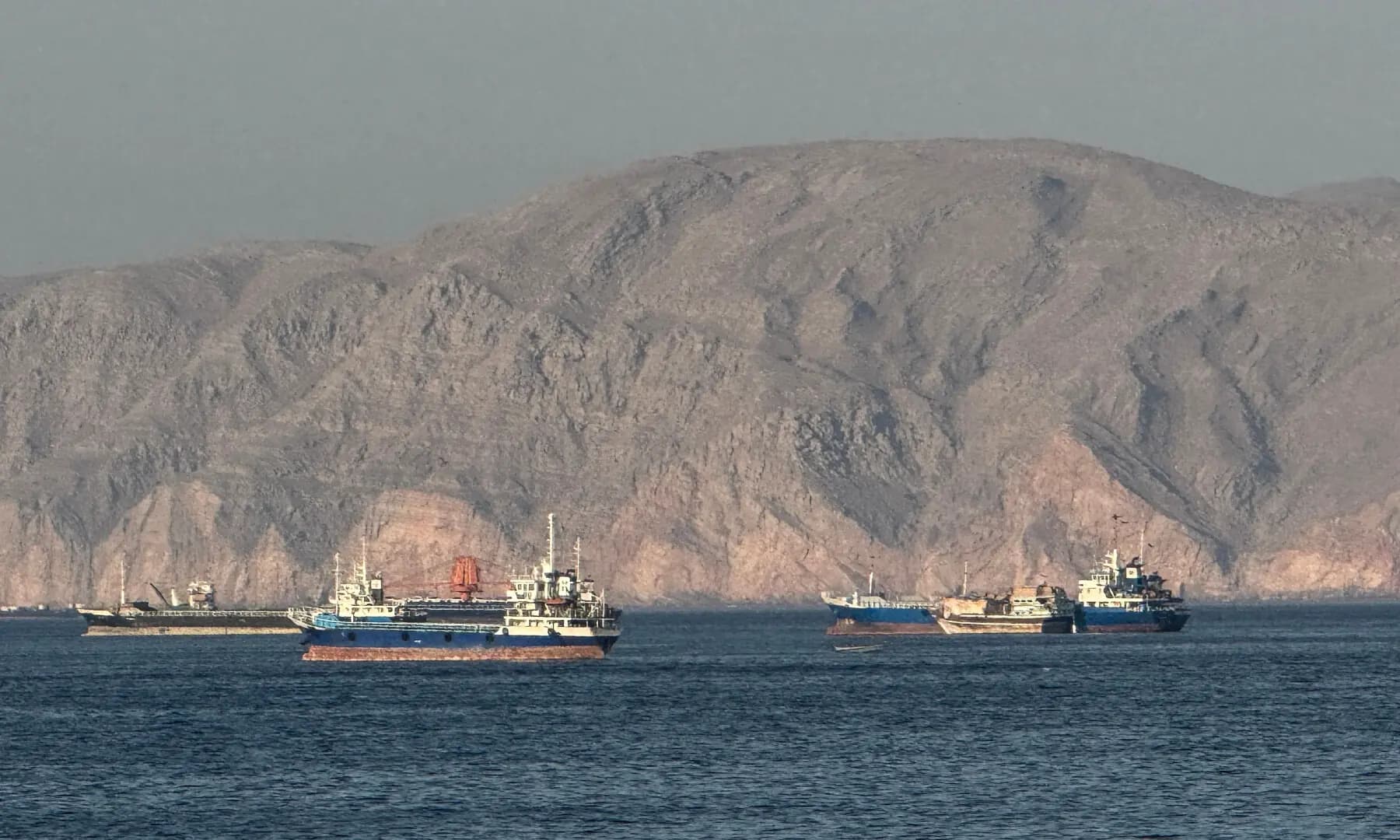
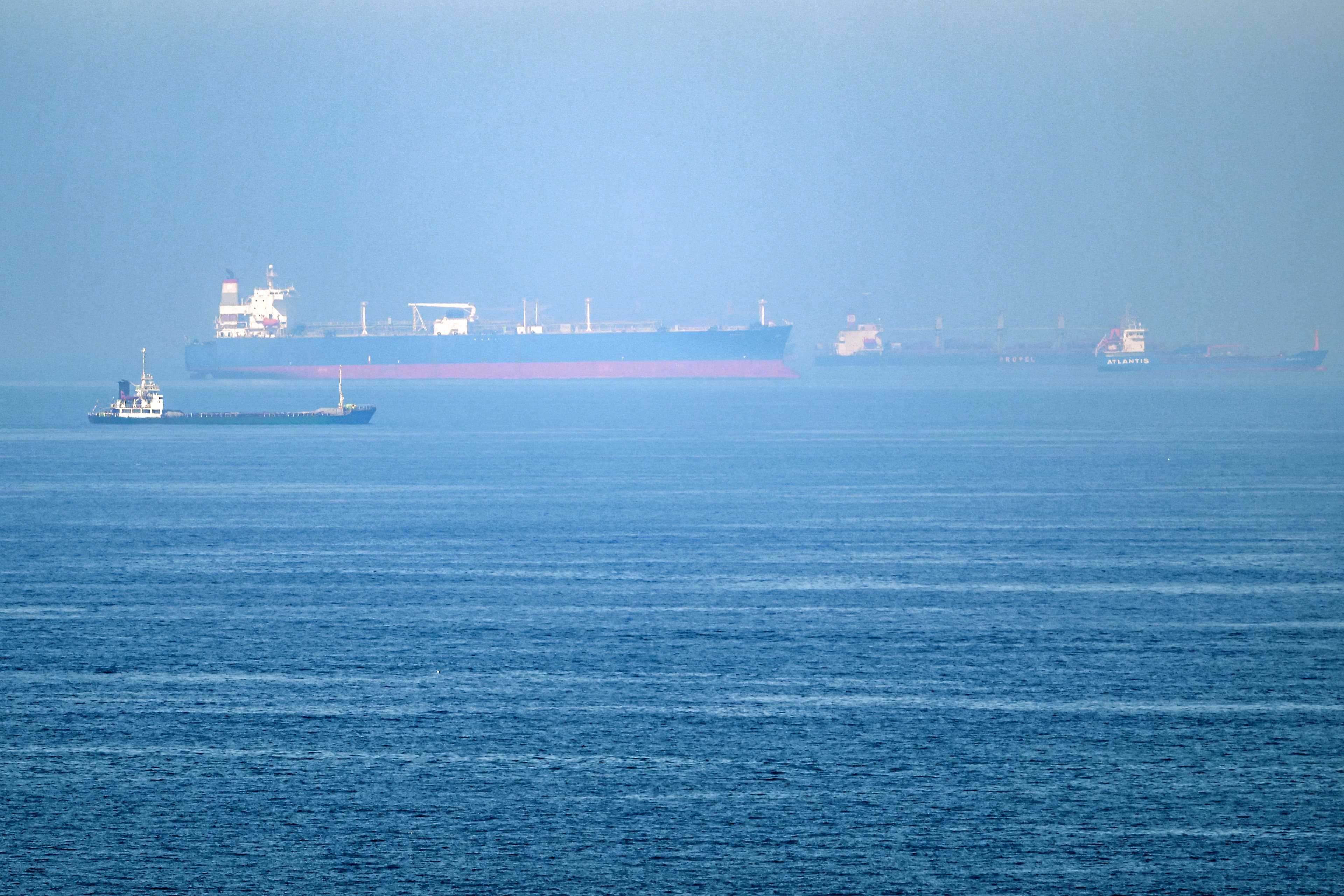
The strategic waterway, through which about one-fifth of the world's crude oil and liquefied natural gas exports pass, reopened last week after Iran lifted its blockade under the ceasefire agreement. Howerver, it is still a key sticking point in the negotiations between Tehran and Washington.
The Sultanate of Oman announced on Wednesday that it has established a temporary shipping transit corridor through the Strait of Hormuz in coordination with the International Maritime Organization (IMO), offering vessels a route through the strategic waterway while reaffirming that navigation will remain free of tolls.
A day later, the Islamic Revolutionary Guard Corps (IRGC) declared that safe passage through the Strait of Hormuz is only possible via routes designated by Iran, rejecting a newly announced shipping corridor established by Oman in coordination with the IMO.
In its Friday statement, Iran's foreign ministry rejected the joint US-GCC position and accused Washington of undermining regional stability through its military presence.
"The claim of a 'lasting US commitment to the security of GCC member states' is nothing more than rhetoric and a distortion of reality," the ministry said, adding that "the US military presence in the region is merely a burden on the nations of the area and a source of insecurity and division."
Iran also urged Gulf states to prevent their territories from being used for military operations against the Islamic Republic, saying GCC members have "the explicit duty... to prevent any use of their territory or facilities by third parties for the planning, organizing, supporting, or executing of illegal actions, including military aggression against the Islamic Republic of Iran."
It stressed that the Strait "lies within the territorial waters of the two coastal states—Iran and Oman," adding that shipping should be managed according to Paragraph 5 of the memorandum of understanding that ended the recent Iran-US war.
The ministry further criticized Gulf governments for echoing US concerns over Iran's nuclear activities, describing allegations against its program as the "big lie" of the United States and Israel.
It called on GCC countries to "stop echoing the US in portraying Iran's peaceful nuclear program as a threat" and instead support the creation of "a West Asia Zone Free of Nuclear Weapons."
The US and Iran reached an agreement last week under a 60-day ceasefire framework, reopening the Strait of Hormuz after months of heightened tensions and maritime disruption caused by a six-week war that began in late February.
The deal, brokered with regional mediation, included a memorandum of understanding outlining a temporary toll-free period for transit, alongside discussions on the waterway’s future administration.