ERBIL, Kurdistan Region - Iraqi Foreign Minister Fuad Hussein said Sunday that Baghdad is ready to host a meeting for post-war negotiations between Iran and Gulf countries amid continuous tensions triggered by the US-Iran war in the Middle East.
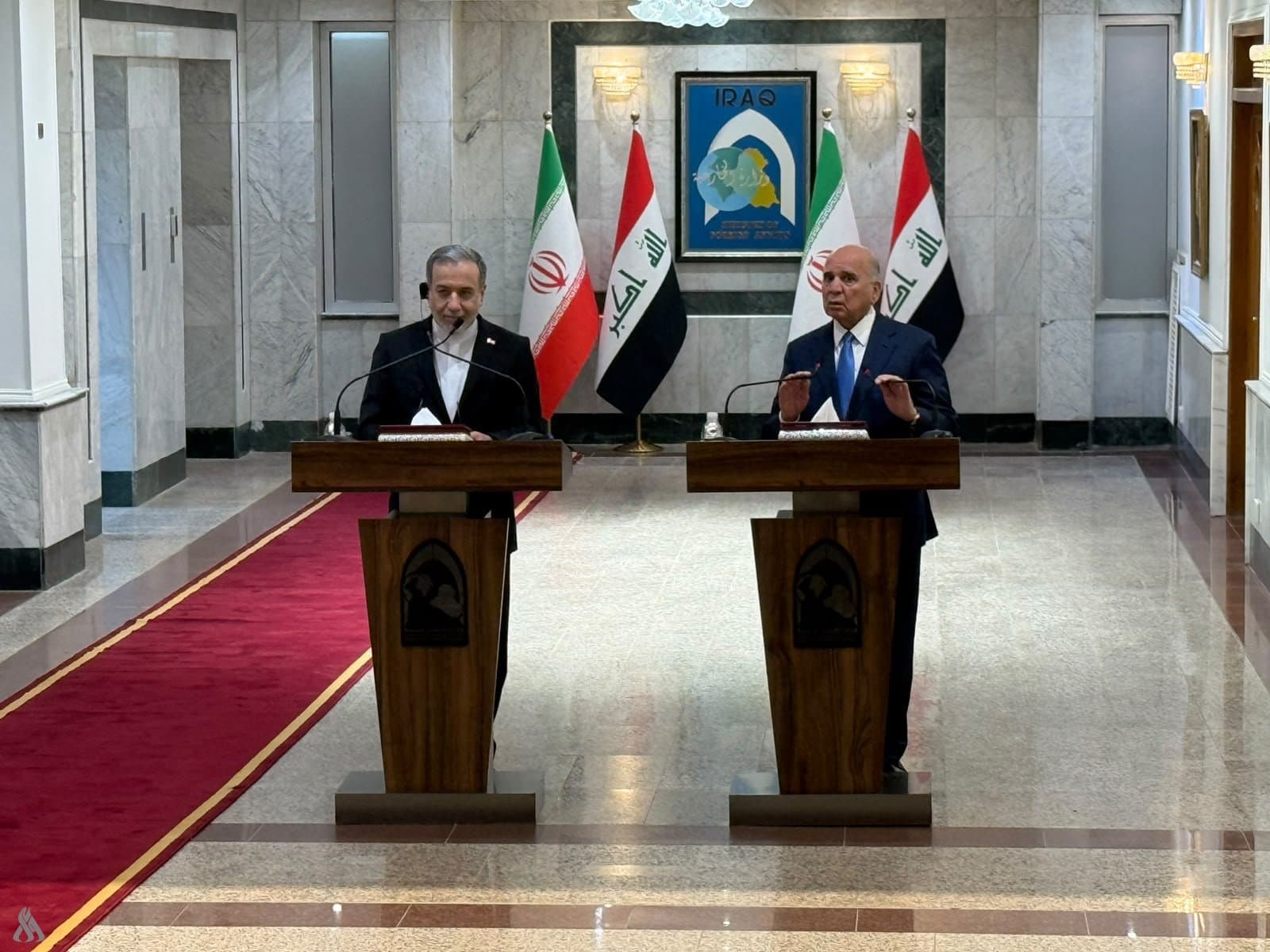
During a joint press conference in Baghdad alongside his Iranian counterpart, Abbas Araghchi, Hussein called for "holding a meeting that includes the Arab Gulf states, Iraq, and Iran," according to Iraqi state media.
"Iraq is ready to host the Gulf states to discuss regional security and end the war," Hussein said, referring to the US - Iran war that began in late February, adding that "regional security must be the responsibility of its peoples, and ending the war in the region is a priority for all of us."
Relations between Iran and the Gulf states have been severely strained since February 28, when the US and Israel launched a joint military campaign against Iran. The regional conflict lasted for nearly six weeks before halting under a Pakistani-brokered ceasefire on April 8.
Although Washington and Tehran signed a Memorandum of Understanding (MoU) last week to extend the ceasefire by 60 days, the truce has rapidly fractured, with both sides engaging in intense, tit-for-tat military strikes since Thursday.
Regarding the Iraqi proposal, Araghchi signaled an agreement with Baghdad, but reiterated Tehran's long-standing stance that regional peace is contingent upon the withdrawal of the US military, noting that it is vital for “foreign forces” to depart the region.
Iranian officials have repeatedly demanded the complete withdrawal of US forces from the Middle East. Earlier in June, Araghchi warned the US to leave the region “if you want to be safe, saying that “the history of the Persian Gulf has many chapters on the dire fates of intruding outsiders."
The Iranian foreign minister also outlined three core objectives for his official visit to Baghdad: expressing appreciation for Iraq's “valuable support and solidarity" with Iran, offering congratulations and support to the newly formed Iraqi government, and finalizing the “necessary arrangements” for the upcoming funeral processions of the late Iranian Supreme Leader Ali Khamenei.
Hussein expressed regret "over Iran being subjected to attacks by the United States of America," emphasizing that "the foundation of Iraq's policy is the rejection of war and the resolution of problems through dialogue."
"Iraq played an important role in reaching an agreement between Washington and Tehran," Hussein noted. "Our relations are excellent with both the American and Iranian sides, and we are ready to work with both parties to end the war."
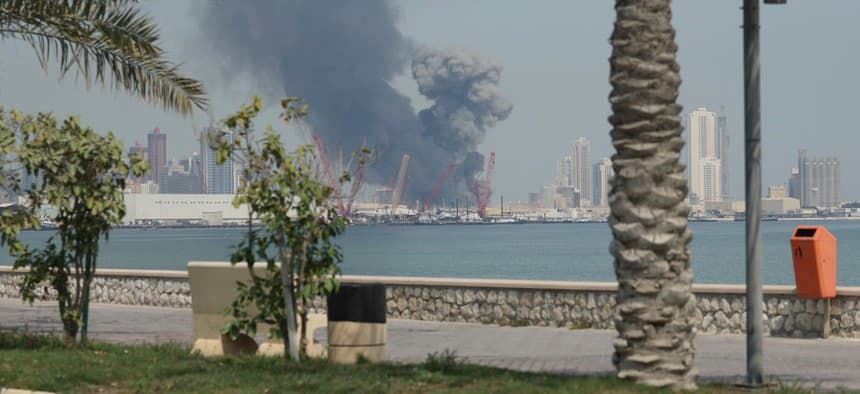
Gulf states have increasingly found themselves targeted by Iran’s retaliatory responses, which have involved thousands of drones and ballistic missiles. Hostilities intensified further on Sunday morning, with renewed airspace incursions and strikes reported in Bahrain and Kuwait.
Baghdad has also struggled to contain its own internal security fallout from the conflict. The Islamic Resistance in Iraq - an umbrella group of Iran-aligned militias - fully sided with Tehran during the war, claiming responsibility for at least 750 cross-border attacks against regional targets between late February and early April.
In a bid to maintain a delicate diplomatic balance between curbing the influence of domestic armed factions and preserving Iraq's image as a stable neighbor, Iraqi Prime Minister Ali al-Zaidi condemned the militia actions shortly after his appointment in late April. Zaidi subsequently announced the formation of a joint specialized committee with Saudi Arabia and the United Arab Emirates to investigate drone and missile attacks launched from Iraqi territory.