ERBIL, Kurdistan Region - Iran began firing missiles and drones at US military bases in Kuwait and Bahrain early Wednesday, Iranian state media reported, hours after the US military launched what it described as "powerful strikes" on southern Iran in response to attacks on commercial vessels in the Strait of Hormuz.
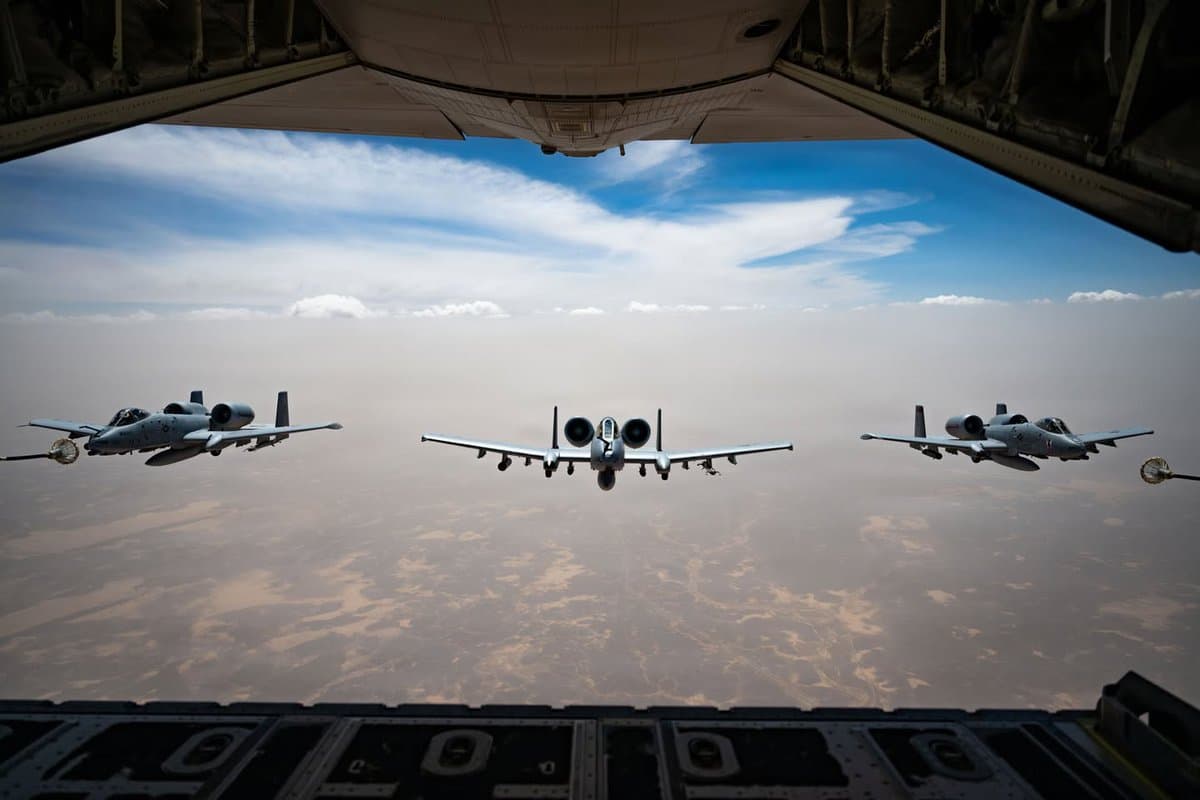
“U.S. Central Command (CENTCOM) forces completed a new round of offensive strikes against Iran, July 7, hitting over 80 targets with precision munitions as an immediate response to Iran's latest attacks on commercial vessels transiting the Strait of Hormuz,” CENTCOM said in a statement.
"Following an aerial intrusion by the terrorist US military early this morning, an MQ-9 drone was hit and downed by the fire of the Islamic Revolutionary Guard Corps air defense system in the skies over Khormuj, Bushehr Province," an IRGC spokesperson said, noting that more than 85 key targets at US military sites in Bahrain and Kuwait were struck in an initial response and that more would follow.
The latest exchange marks another sharp escalation in tensions despite a ceasefire framework reached under the Islamabad Memorandum in mid-June, which called for a halt in military operations and negotiations toward a permanent truce for the war that began in late February.
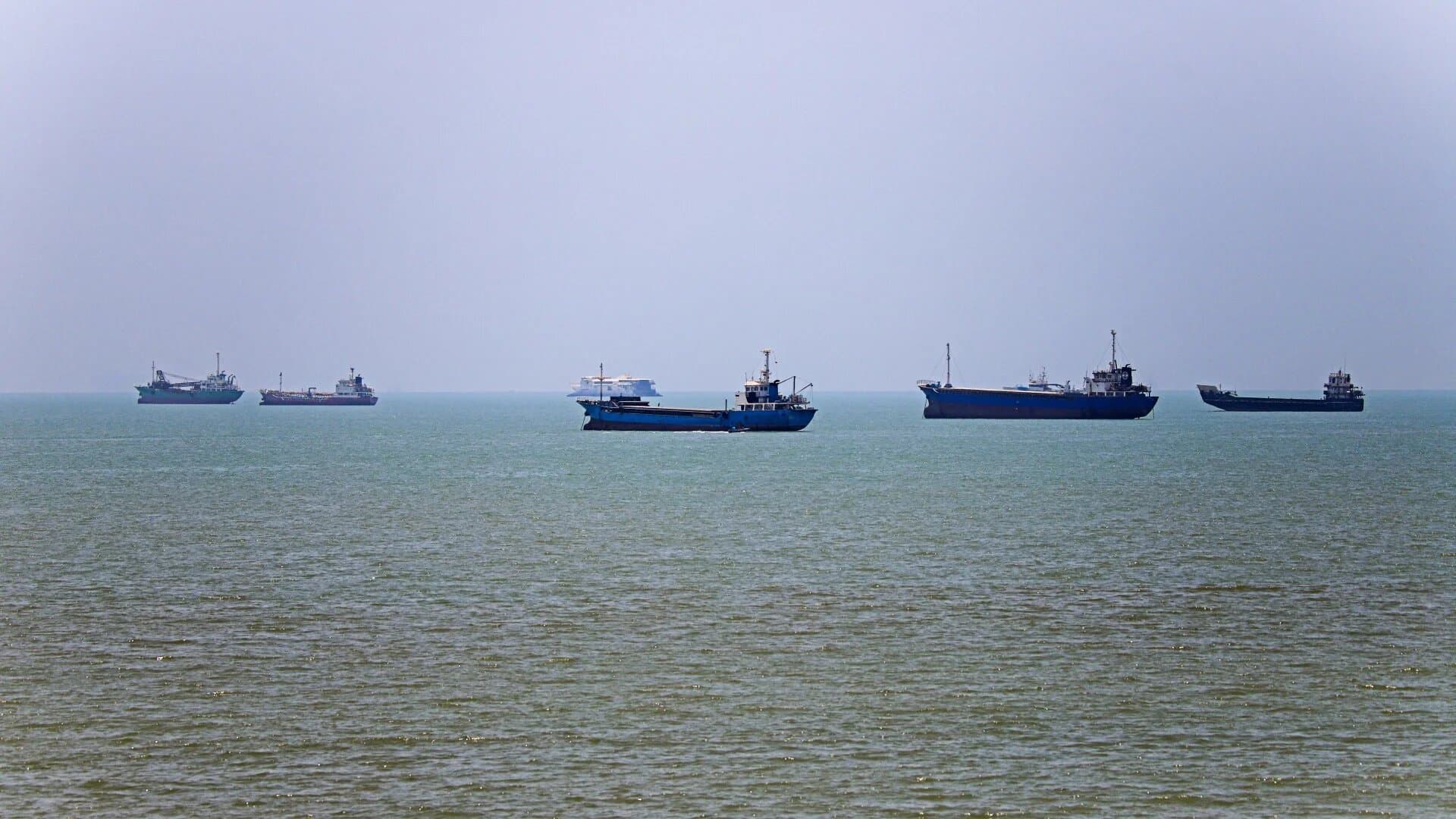
Wednesday's escalation comes after Iran recently attacked three commercial vessels transiting the strait including Marshall Islands-flagged M/T Al Rekayyat, Saudi Arabia-flagged M/T Wedyan, and Liberian-flagged M/T Cyprus Prosperity.
In response, CENTCOM struck command networks, defense systems, and more than 60 Islamic Revolutionary Guard Corps small boats in and near the strait.
"The U.S. strikes are in response to Iranian attacks on three commercial vessels” they added, noting it a response to “Iran’s demonstrated aggression” as an “unwarranted, dangerous, and a clear violation of the ceasefire,” CENTCOM stated.
Iranian media said air raid sirens sounded in Kuwait and Bahrain as missiles and drones were launched toward US installations.
Iran's Islamic Revolutionary Guard Corps (IRGC) later claimed it had downed an American drone over southern Iran.
Iran's Parliament Speaker and chief negotiator Mohammad Bagher Ghalibaf accused Washington of repeatedly violating previous understandings between the two countries, citing "violating Iranian adjustments in the Strait," "persistent threats of further strikes," "reinstating oil sanctions," "attacks on southern Iran," and "continued Zionist aggression on Lebanon."
"The era of bullying and extortion is over. It leads nowhere. We don’t fold," Ghalibaf said.
The recent surge in hostilities follows weeks of mounting friction over the Strait of Hormuz, which sees the transit of roughly one-fifth of the world's crude oil and liquefied natural gas exports. Last week, Iran reaffirmed its authority over the strategic waterway, with Deputy Foreign Minister Kazem Gharibabadi declaring that the strait is "under Iran's command" and that Tehran's sovereignty over it is "definite and unquestionable."
Although direct talks between Washington and Tehran have slowed following a brief collapse of the ceasefire in late June, mediators have said both sides remain committed to continuing negotiations after the funeral ceremonies for former Iranian Supreme Leader Ali Khamenei.