ERBIL, Kurdistan Region - The United States and Iran exchanged fresh rounds of strikes on Wednesday, with Washington saying it hit dozens of Iranian military targets near the Strait of Hormuz and Tehran responding with waves of missile and drone attacks that it said targeted US bases in Bahrain, Kuwait and Jordan.
Iran's Islamic Revolutionary Guard Corps (IRGC) said in a statement on Wednesday it had destroyed "the satellite communications center, missile and air defense radars, the Patriot air defense complex, the US military supply depot in Kuwait, and the HIMARS missile launch platforms" in Kuwait.
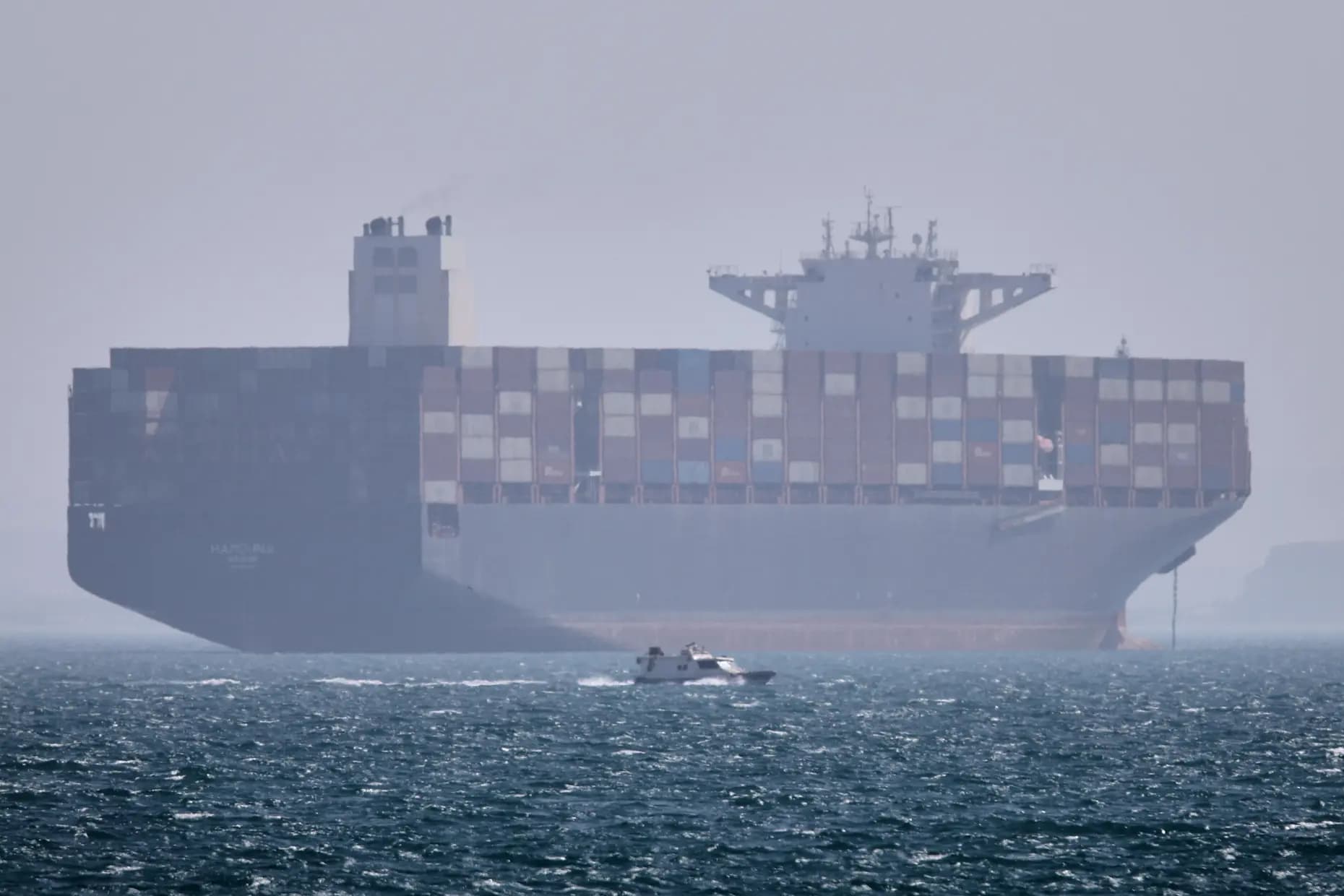
This came in response to the US Central Command’s (CENTCOM) seven-hour operation late Tuesday of “an additional round of strikes against Iran" in which it targeted Iranian missile and drone sites, naval capabilities and coastal defense systems well into early Wednesday "to further degrade Iran's ability to threaten commercial shipping and civilian crews" in the Strait of Hormuz.
The exchange marks the latest escalation in the renewed confrontation between Washington and Tehran in the past two days, with both sides reporting new military operations overnight and the US reinstituting a blockade on the Strait hours before the strikes.
The IRGC late Tuesday had issued a statement in which it stated it had "destroyed several hangars storing weapons and parts for the enemy's vessels and aircraft at the Sheikh Isa Base in Bahrain,” which it claimed were “in response to" US strikes on "a number of our armed forces' coastal stations," adding that its attacks would continue so long as the US's "crimes continue," and vowing "surprising responses" ahead.
Addressing the Kuwaiti public, the IRGC said, "You know well that we not only have no enmity toward you, but we also hold the noble and honorable nation of Kuwait in high regard. This operation was a response to American criminals."
In a separate statement, the IRGC said on Wednesday it had targeted the US al-Azraq base in Jordan, claiming it had destroyed "the hangars of F-15, F-16, and F-35 fighters and destroyed a number of strategic American MQ-9 drones."
US officials have previously rejected Iranian assertions that Tehran can control navigation through the strait and have insisted international shipping routes remain open.
The latest tit-for-tat escalation comes amid renewed fighting between the US and Iran over control of the Strait of Hormuz, a vital global energy shipping route that handles roughly one-fifth of the world's oil and gas exports.
The IRGC warned Wednesday that the US’s blockade and continued US efforts to disrupt Iranian energy exports would be met with broader action against regional energy infrastructure.
"Regional oil and gas exports are either for everyone or for no one," the force said, adding that the US should "expect the closure of other oil and gas export routes that serve the interests of America and its allies."
Less than a month after the Islamabad Memorandum was signed between the US and Iran, more than 80 million barrels of Iranian crude oil and refined products (+$6 billion) have been shipped out of the region, according to Tanker Trackers, a maritime intelligence company that tracks crude oil shipments.
The renewed hostilities come despite the Islamabad Memorandum of Understanding signed by the two sides in mid-June, which established a cessation of military operations and ended maritime restrictions while committing both countries to negotiations on a comprehensive settlement within 60 days. Recent escalations, however, have cast doubt over the future of the agreement.