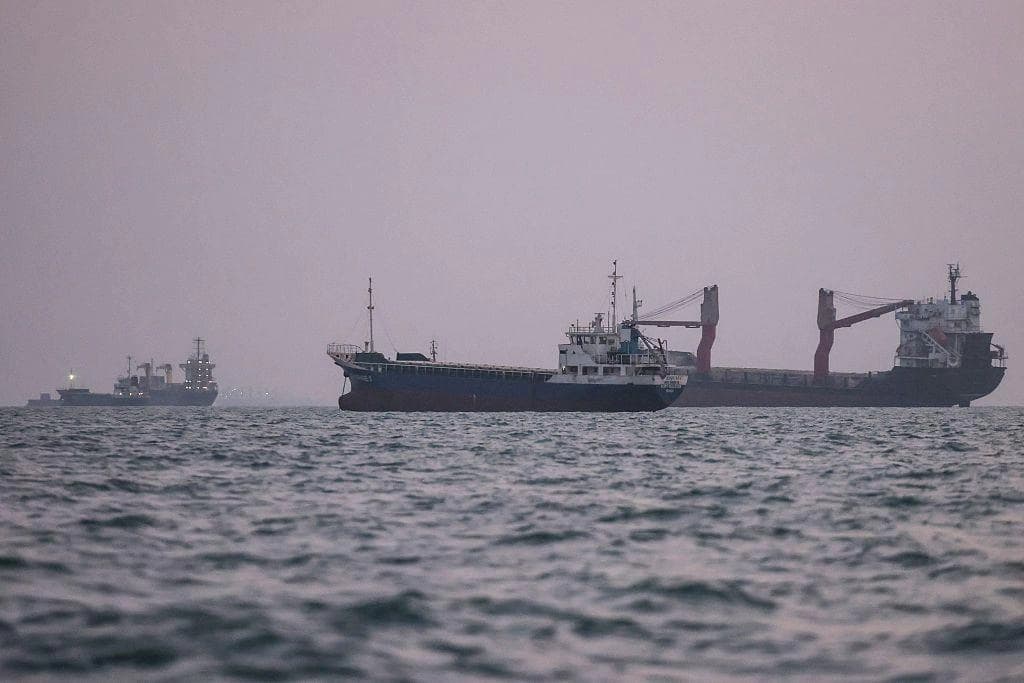
ERBIL, Kurdistan Region - Nearly 20 ships entering or leaving southern Iranian ports have been intercepted by American forces, US Central Command (CENTCOM) announced Monday, as President Donald Trump issued a stark warning of a third round of major military action should ongoing mediation efforts fail.
CENTCOM said its forces had "redirected 17 commercial vessels, disabled two, and boarded two to ensure compliance" as part of its ongoing maritime blockade on Iranian ports, which resumed in early July.
The Command’s statement comes after the US and Iran paused hostilities on Friday, following strikes and counterstrikes that had continued since July 8 - weeks after the two sides signed the Islamabad Memorandum of Understanding in mid-June, which established a ceasefire on all fronts and reopened the Strait of Hormuz to commercial shipping.
The two sides had also escalated their rhetoric, with Tehran threatening regional infrastructure and oil flows if Iranian facilities were targeted or Iran was barred from exporting oil, and Trump vowing to strike a bridge and power plant for every vessel Iran's military attacks in Hormuz and threatening to strike a new nuclear facility Iran is allegedly building in central Isfahan province.
Despite this, Trump was cited by the American website Axios on Monday as confirming that intense indirect talks with Tehran are underway. "We are in very deep talks with Iran," the US president reportedly said, warning that "if they don't work out, we will go back to very strong military action."
In a separate interview with Israel's Channel 12 on Monday, Trump was quoted as saying he was close to deciding on renewed, broader strikes against Iran.
"I am considering a massive attack, bigger than anything that has happened before. I am close to making a decision, and we are fully prepared for it," Trump said, adding that Iran's leadership was not yet ready to accept compromise proposals. "They still haven't suffered enough pain," he remarked.
Regional diplomacy also intensified on Monday as Omani Foreign Minister Badr Albusaidi held phone calls with his Qatari, Saudi, Kuwaiti, Egyptian, and Iranian counterparts, according to a statement from Oman's foreign ministry.
"The discussions focused on reaching practical, fair, and sustainable understandings on navigation and supply chain flows through political and diplomatic solutions, in the interests of the countries of the region and all parties benefiting from maritime traffic through the Strait of Hormuz," the ministry said.
Meanwhile, Iranian foreign ministry spokesperson Esmaeil Baghaei confirmed that indirect messaging through third-party nations remains active.
"They [the Americans] are exchanging messages," Baghaei said, as cited by state media, noting that mediators are "doing their duties."