
ERBIL, Kurdistan Region - Iraq's foreign minister on Wednesday discussed with his Jordanian counterpart the installation of the pipeline from the oil-rich Basra province in southern Iraq to Jordan's port city of Aqaba, Baghdad's foreign ministry reported. While in Amman, Fuad Hussein also held talks with the Egyptian foreign minister, as Egypt's Sinai Peninsula borders the Gulf of Aqaba.
Hussein met with Jordanian chief diplomat Ayman Safadi to discuss "the project to extend an oil pipeline [from Basra] to the port of Aqaba, as well as mechanisms for supplying Iraq with electricity through a link to the Jordanian electricity grid," Baghdad's foreign ministry said in a statement."
The talks - held on the sidelines of a ministerial meeting attended by Arab and non-Arab Muslim-majority countries in Amman - also addressed “regional efforts potential understanding to reopen the Strait of Hormuz to maritime navigation,” alongside renewed calls for “continued coordination and joint action” within regional frameworks to “bolster the region's security and stability.”
The Basra-Aqaba pipeline spans over 1,600 km and is designed to pump up to one million barrels per day (bpd), giving Iraq an alternative export route that bypasses the Strait of Hormuz while helping meet Jordan's domestic energy needs and enabling crude exports via the Red Sea.
The project, estimated to cost between $7 and $9 billion, has previously faced pushback in Iraq over its high infrastructure costs and concerns that discounted oil exported to Jordan could indirectly reach Israel via Red Sea routes. But the initiative has gained fresh momentum amid ongoing disruptions at the Strait of Hormuz that have significantly hurt Iraq's oil-dependent economy.
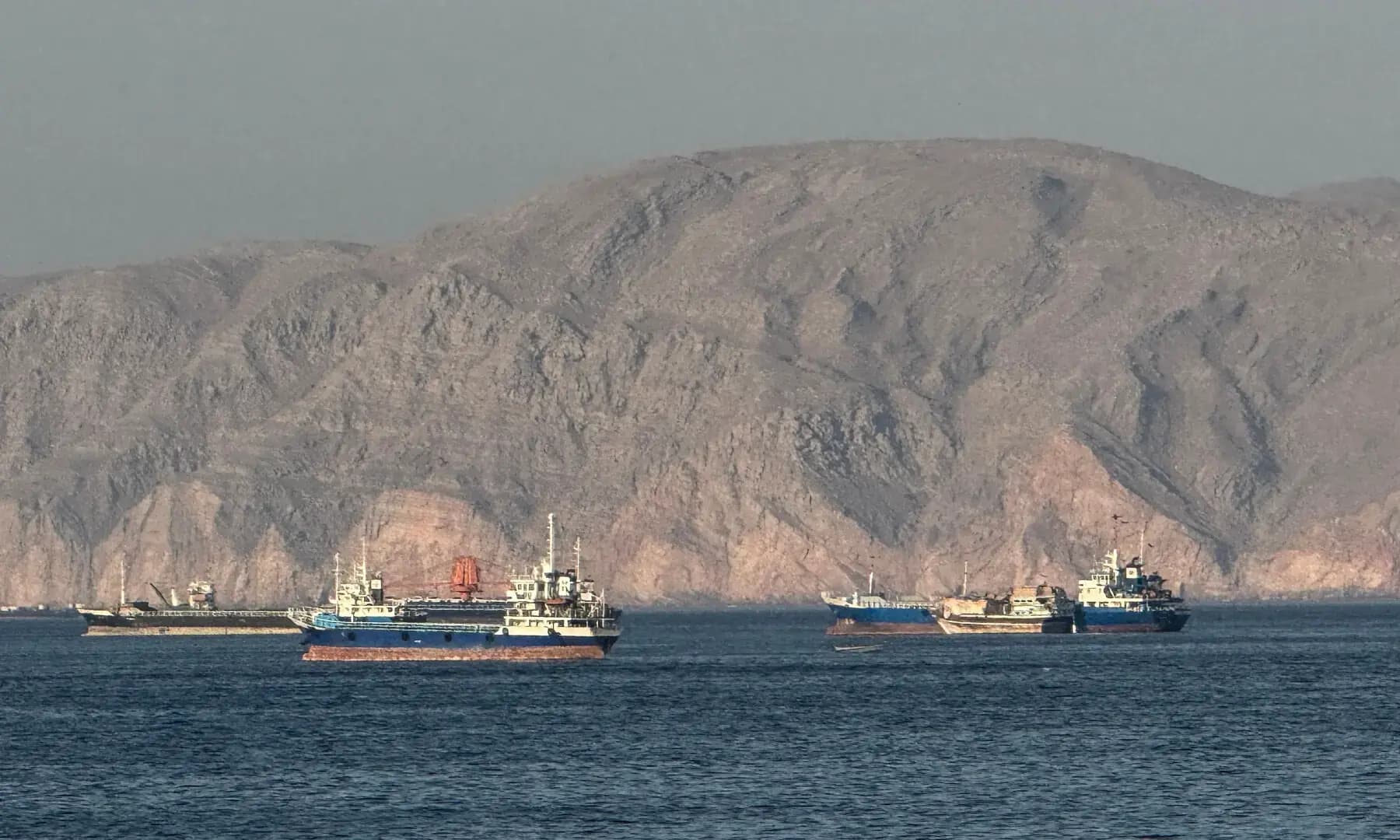
Hormuz, a vital strait through which around one-fifth of global energy supplies pass, has been a contentious point between the US and Iran since the onset of the six-week war in late February, with Tehran claiming sovereignty over the waterway and requiring vessels to obtain authorization for passage, while Washington has imposed a naval blockade on Iranian ports.
For Iraq, the regional war and the closure of the Strait of Hormuz dealt a major blow to the country's oil sector and broader economy, with Iraqi crude production falling from about 4.14 million barrels per day (bpd) before the crisis to 1.49 million bpd at the height of the blockade.
As of late, Iraq's national marketer, the State Organization for Marketing Oil (SOMO), reported that around 42.5 million barrels of oil in July, marking a notable recovery even though shipping through Hormuz has yet to fully normalize.
In addition to talks with Safadi, Hussein also met with Egyptian Foreign Minister Badr Abdelatty, during which the two top diplomats "discussed ways to strengthen bilateral relations between Iraq and Egypt," as well as "ways to enhance cooperation in the energy sector, particularly in the field of electricity," Baghdad's foreign ministry said in a separate statement.
"The meeting also touched on the project to extend an oil pipeline from Iraq to the port of Aqaba, and from there to the Red Sea, and the importance of this project in supporting doi economic cooperation and strengthening energy transport and export routes," the statement added."
While the Basra-Aqaba pipeline is designed to export some 1 million bpd to Jordan, Amman only requires around 150,000 bpd for domestic use. The remaining surplus is planned for export across the Red Sea to Egyptian refineries to help meet Egypt's fuel demand. The arrangement would also generate significant transit and port fees for Cairo from re-exporting Iraqi oil.