
ERBIL, Kurdistan Region - Yemen’s Iran-backed Houthi movement claimed late Wednesday that it struck a Saudi oil tanker in the Bab al-Mandeb Strait, hours after targeting a separate Saudi vessel in the same strategic waterway.
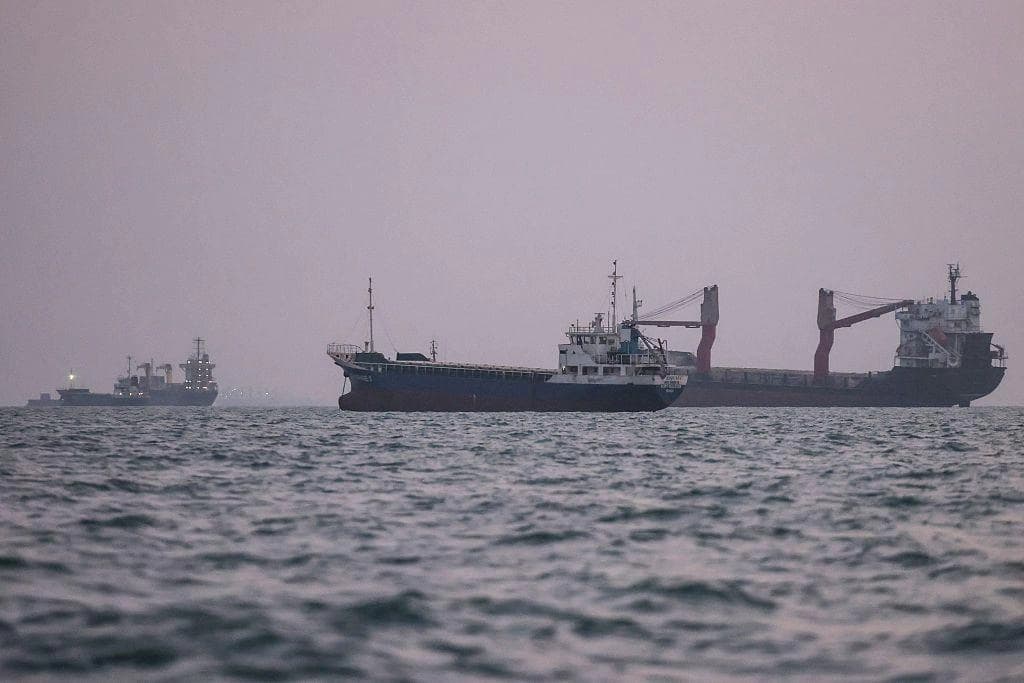
The group “targeted the Saudi oil tanker Daisy in the Gulf of Aden with a ballistic missile,” Yahya Saree, spokesperson for the Houthis - also known as the Ansarullah movement - said in a post on X.
“The operation successfully achieved its objective, hitting the vessel and forcing it to turn back,” Saree added.
Earlier in the day, the group claimed an attack on another Saudi ship, Wafaa, in the northern Red Sea “using a number of ballistic missiles, achieving a precise hit... within the framework of the ‘siege for a siege’ equation.”
These marked the eighth and ninth Saudi oil tankers targeted since the start of the blockade last month, according to figures provided by the Houthi military spokesman.
The Houthis have threatened to block the Bab al-Mandeb Strait - a vital maritime chokepoint between the Arabian Peninsula and the Horn of Africa - amid a sharp escalation with Saudi Arabia. The strait serves as a crucial transit route for Gulf oil exports seeking to bypass potential maritime disruptions in the Strait of Hormuz.
Tensions flared after Yemen’s internationally recognized government struck the runway at the Houthi-controlled Sanaa International Airport to prevent an Iranian aircraft from landing in late July. The Houthis blamed Riyadh for the strike, retaliating with salvoes of drones and missiles aimed at an airport in southern Saudi Arabia while declaring the Bab al-Mandeb closed to Saudi shipping.
Saree noted that the group is “closely monitoring all movements of Saudi oil tankers and will not allow any vessel to pass through either the southern or northern Red Sea until the legitimate demands of our people are met and the blockade imposed on them is lifted.”
The Houthis contend that the Saudi-led military coalition imposed a comprehensive land, sea, and air blockade on Yemen since its formation in March 2015 that drastically limited operations at critical entry points - most notably the Red Sea port of Hodeidah and Sanaa International Airport - blocking cargoes of essential commodities like food and medicine.
The movement uses the "siege" narrative as the primary political and moral justification for its cross-border attacks and maritime embargoes, framing missile and drone strikes against Saudi infrastructure and commercial shipping as an enforcement of "a siege for a siege.”
Riyadh strongly rejects the claims, maintaining that maritime controls established in 2015 were legally mandated under UN Security Council Resolution 2216 to prevent illegal arms flows and Iranian weapons smuggling to the Houthis, rather than stop commercial goods.
Saudi Arabia routinely points to operational statistics - such as hundreds of commercial and relief ships delivering millions of tons of food, fuel, and supplies to Hodeidah, Saleef, and Ras Isa - to demonstrate that northern ports remain open.
Last week, Saudi Arabia hosted military officials from 43 countries and the European Union on Thursday to advance the establishment of a "Multinational Defensive Maritime Coalition."
Headquartered in the Kingdom, the proposed Saudi-led alliance aims to secure critical sea lanes - specifically the Bab al-Mandeb Strait, the Red Sea, and the Gulf of Aden - against Houthi drone and missile strikes while protecting vital energy supply routes like Riyadh's East-West Pipeline to Yanbu.
Endorsed by 14 founding nations including Kuwait, Bahrain, Qatar, Turkey, Egypt, and Jordan, the initiative seeks to pool naval intelligence and operational capabilities to counter what the Saudi-led coalition characterized as Houthi "maritime piracy," warning that further disruptions to international trade would be met with "decisive force."