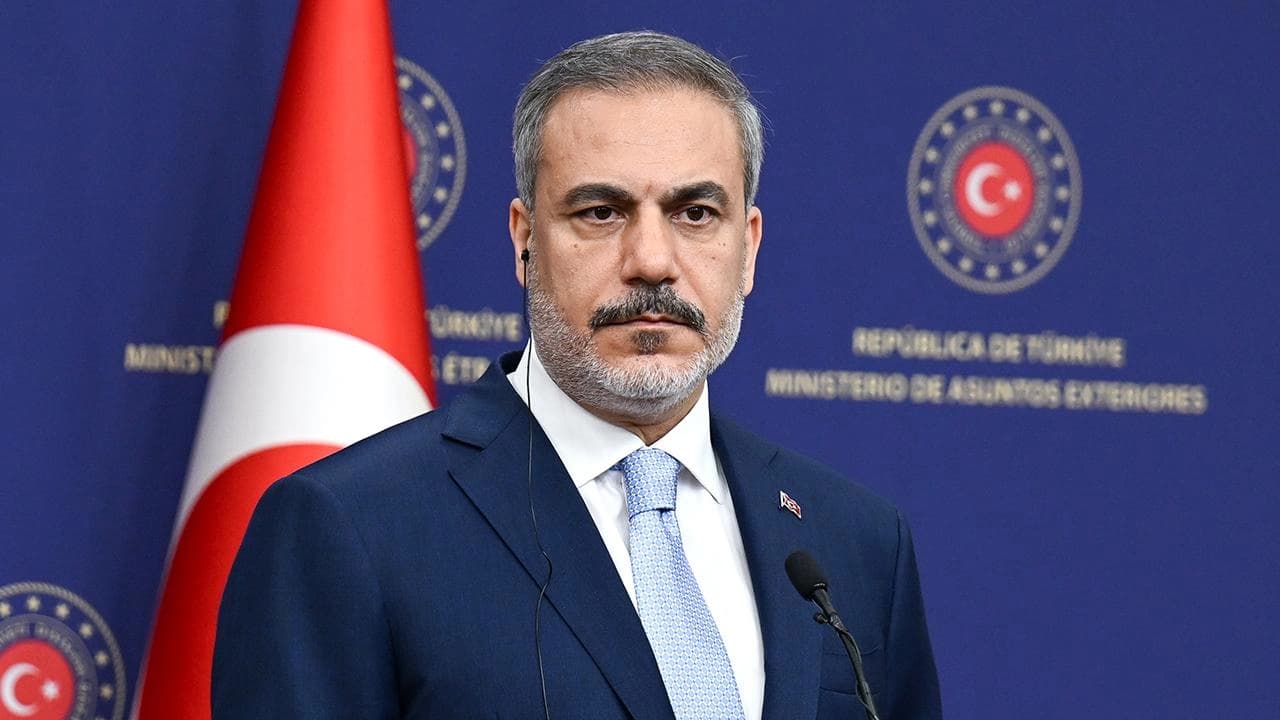
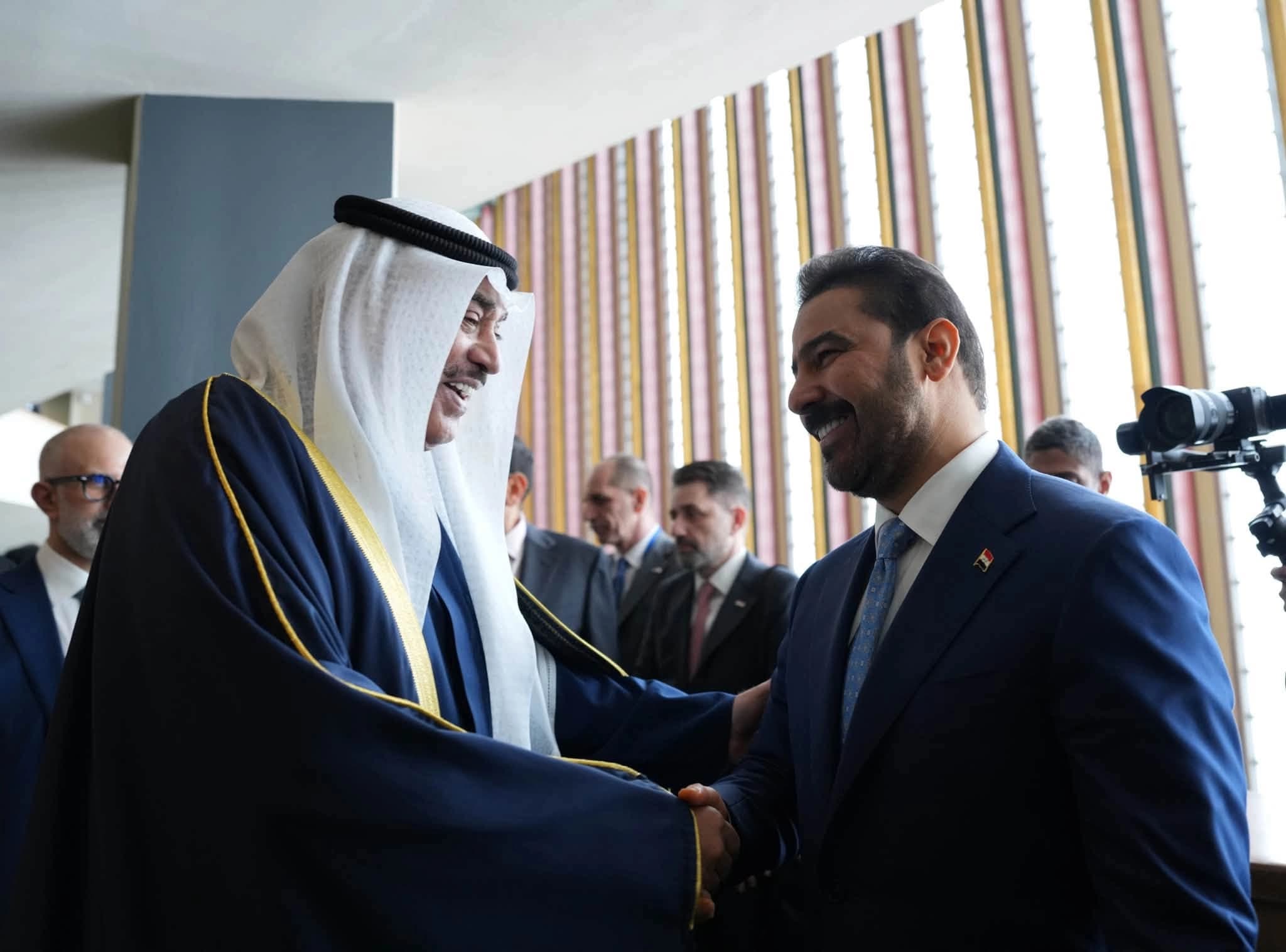
ERBIL, Kurdistan Region - The army chiefs of staff of Jordan, Iraq and Syria held a high-level military meeting hosted by the Hashemite Kingdom on Tuesday, notably joined by the Kurdistan Region's Peshmerga minister - equivalent to a defense minister - and the head of US Central Command (CENTCOM), Jordanian state media reported, noting that the meeting focused on bolstering coordination amid evolving security challenges in the region.
The Jordanian Armed Forces hosted a "high-level military meeting" that "brought together [Amman's] Chairman of the Joint Chiefs of Staff Major General Yousef Huneiti, the Chief of the General Staff of the Syrian Army and Armed Forces [Ali Noureddine al-Naasan], the Chief of Staff of the Iraqi Army [General Abdul-Amir Rashid Yarallah], and the Minister of Peshmerga Affairs [Shoresh Ismail]," the state-run Jordanian News Agency (Petra) reported.
Meanwhile, the Amman-funded al-Mamlaka TV said the meeting aimed to "reaffirm ties among the participating parties and their keenness to develop them" and to "strengthen military cooperation" amid "rapidly evolving security challenges in the region," in a way that "serves mutual interests and contributes to regional security and stability."
Participants also discussed "issues of common concern," including "border security" to "counter the different cross-border threats and risks," while emphasizing the need to continue "communication and information sharing" to boost "collective efficiency," Mamlaka said.
The high-profile meeting comes days after reports surfaced that Amman and Damascus had informed Baghdad that Iran-backed armed groups were preparing to launch attacks from Iraqi territory, warning that any such attack would be met with a response.
The reports coincided with regional media relaying that Syria's defense ministry last week ordered Alert Level C and deployed units along the Iraqi border amid security concerns.
Around the same period, Reuters cited a senior Saudi official as saying that Iran-aligned Iraqi armed groups and their allies in Yemen's Tehran-backed Ansar Allah movement - better known as the Houthis - "could soon launch coordinated attacks on Saudi civilian sites, including energy infrastructure, ports, and airports," citing findings from "Saudi, U.S. and other Middle Eastern countries' intelligence."
Also last week, a senior Iraqi Shiite politician and head of the influential armed group Badr Organization urged the Iran-aligned Islamic Resistance in Iraq (IRI) to delay "any response" to recent US-Saudi strikes on affiliated positions in Iraq, after the group had set a Friday ultimatum for the Baghdad government to act, threatening to respond itself if it did not.
Importantly, the Tuesday meeting in Amman saw participants stress that "protecting borders and countering security threats require sustained joint action to bolster the ability of regional nations to protect their security, sovereignty, and stability," Mamlaka TV said.
The Jordanian, Iraqi, Syrian, and Kurdish military chiefs also met with CENTCOM Commander Brad Cooper "to discuss aspects of military cooperation and coordination, recent developments in the region, ongoing security challenges, and joint efforts aimed at promoting regional security and stability," the outlet added.
The key meeting comes as the repercussions of the Iran war continue to reverberate across the region. It also follows a severe round of escalation between Iran and the US that began on July 8 and continued through the rest of the month, including numerous attacks on what Tehran alleged were American assets in Jordan and at least one attack on a US base in Syria.
The military operations unfolded despite the two sides having agreed to the Islamabad Memorandum of Understanding in mid-June, which established a ceasefire on all fronts and reopened the Strait of Hormuz to commercial shipping.