.jpg&w=3840&q=75)

ERBIL, Kurdistan Region - A tanker was struck by a drone while transiting the Strait of Hormuz, a British navy monitor reported on Friday, urging vessels to exercise caution. The incident comes hours after the United Arab Emirates (UAE) said two of its national vessels came under an “Iranian attack” in the key waterway, as tensions between Tehran and Washington in regional waters continue to escalate.
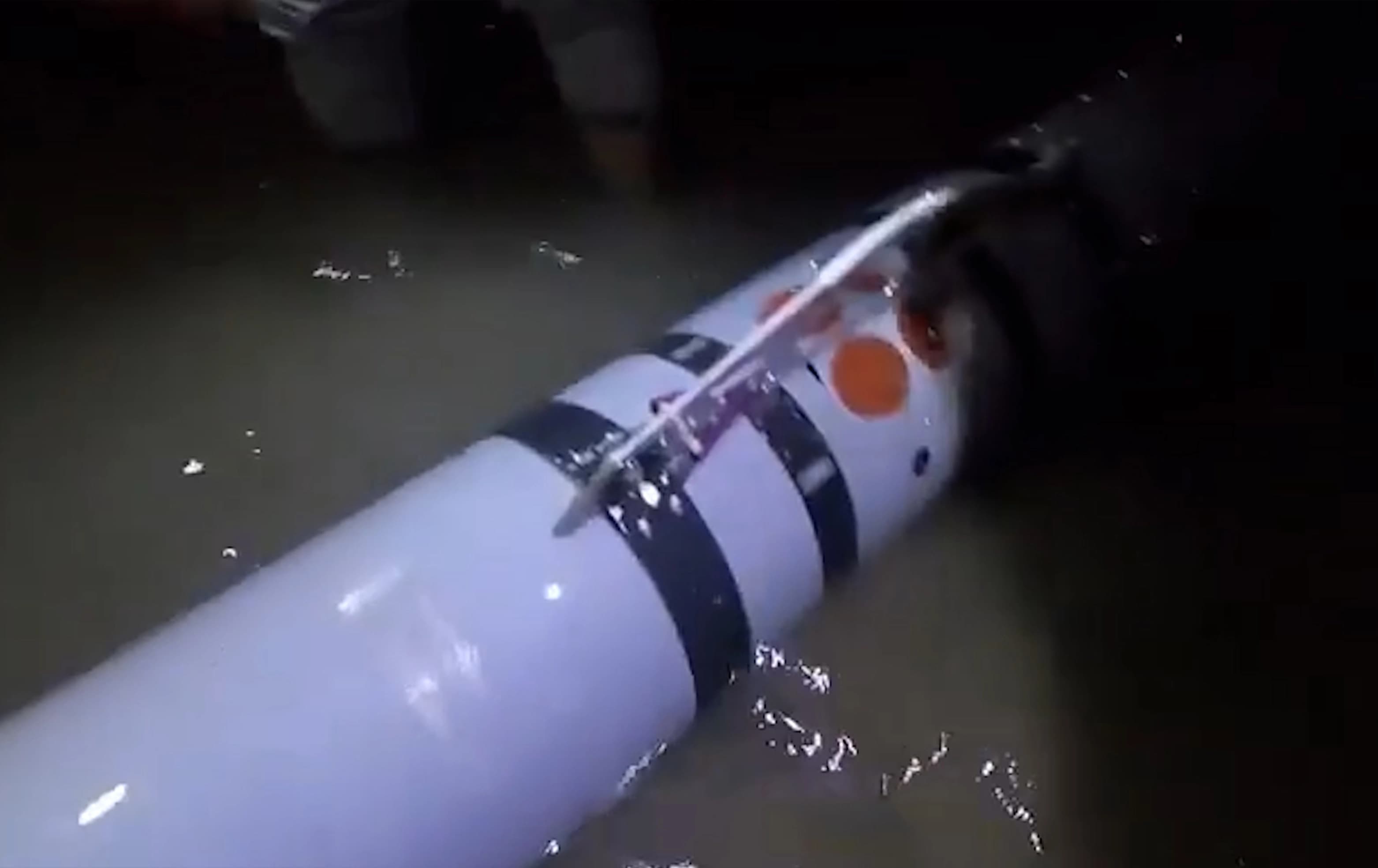
The United Kingdom Maritime Trade Operations (UKMTO) said it had "received reports from military authorities" in the region that "a tanker was struck by an uncrewed aerial vehicle whilst conducting an outbound transit of the Strait of Hormuz."
"The vessel was subject to minor damage, crew are reported as safe and accounted for and no environmental impact has been reported," the monitor added, advising vessels to "transit with caution and report any suspicious activity to UKMTO.”
Earlier on Friday, the Emirati foreign ministry "strongly condemned" what it called a "hostile Iranian attack that targeted two vessels affiliated with [he Abu Dhabi National Oil Company] ADNOC as they transited the Strait of Hormuz," adding that no injuries were reported.
"Targeting commercial shipping and using the Strait of Hormuz as a tool of economic coercion or blackmail represents acts of piracy by Iran's Revolutionary Guard Corps [IRGC], and constitutes a direct threat to the stability of the region, its peoples, and global energy security," Abu Dhabi said.
The UAE further urged Iran to "halt these unprovoked attacks, ensure its full commitment to an immediate cessation of all hostilities, and the complete and unconditional reopening of the Strait of Hormuz" to safeguard regional security and the stability of the global economy and trade.
The latest incidents come a day after Iranian Foreign Minister Abbas Araghchi warned on Thursday that Washington risks an "even bigger miscalculation" over the strait.
"The U.S. has long miscalculated due to intelligence failures. Case in point: the war on Iran. Now, an even bigger miscalculation on the Strait of Hormuz," Araghchi wrote on X. "Worse than fake news is fake intelligence. Be careful," he added.
The remarks appeared to be a response to US President Donald Trump's Wednesday comments that "the U.S.A. has total control over the Strait of Hormuz," adding: "I think we will keep it! Our naval blockade is being called, by everyone, 'a wall of steel,' and there is nothing Iran can do about it."
Trump's comments coincided with a statement from US Central Command (CENTCOM), which said that as of Wednesday its forces had "redirected 59 commercial vessels, disabled three and boarded two" ships en route to Iranian ports to "ensure full compliance with the blockade."
The Strait of Hormuz, a vital waterway through which around one-fifth of global oil supplies pass, has been a flashpoint between the US and Iran since the outbreak of the six-week war, when Washington and Tel Aviv launched a joint aerial campaign on February 28, striking thousands of targets across Iran.
The warring sides reached a preliminary ceasefire in early April, followed by a Pakistan-mediated Memorandum of Understanding, signed by Tehran and Washington in mid-June, establishing a ceasefire on all fronts. Following the truce, however, the two sides engaged in several rounds of strikes and counterstrikes as tensions in the Strait of Hormuz have also continued.
On Tuesday, the Persian Gulf Strait Authority (PGSA), a newly-formed Iranian government agency tasked with regulating maritime transit through Hormuz, said in a post on X on Tuesday that the Strait “remains blocked and will not be reopened until Iran's conditions are accepted.”