
ERBIL, Kurdistan Region - Iran and Oman on Tuesday presented a proposed framework for a “temporary joint maritime corridor” through the Strait of Hormuz, including provisions for mine-clearing operations in the key waterway, according to a joint statement from the two sides that also underlined the importance of broader talks with littoral states.
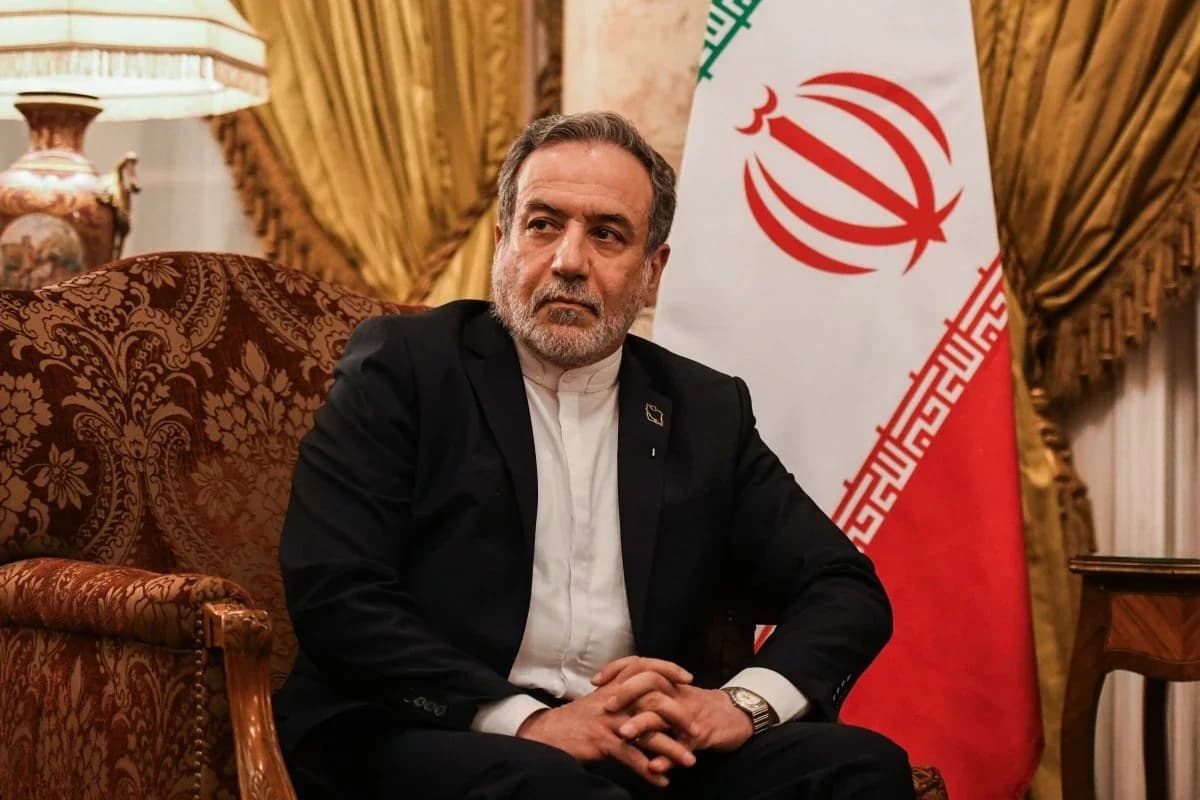
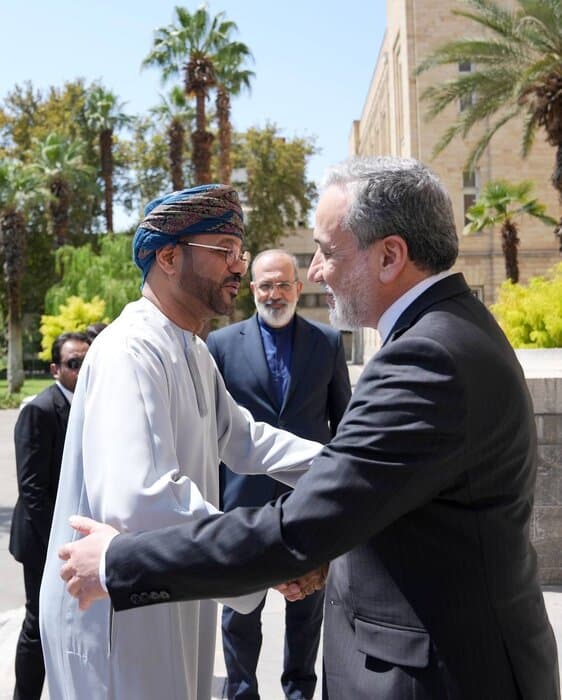
The statement followed “constructive consultations” in Tehran between Omani Foreign Minister Badr Albusaidi and his Iranian counterpart Abbas Araghchi, who also serves as a key negotiator in the ongoing Iran-US talks, the statement said.
"The consultations focused on the importance both countries attach to resuming safe navigation through the Strait of Hormuz in a manner that preserves their sovereignty and sovereign rights,” the statement added, noting that the two ministers discussed "a phased framework aimed at providing a practical and actionable basis” for the waterway.
The proposed framework includes establishing "a temporary joint maritime corridor through the Strait of Hormuz" and a joint mine-clearing project in the waterway.
"Technical negotiations" between Muscat and Tehran are also set to continue toward "a permanent maritime corridor and future management arrangements for the Strait," alongside mechanisms for information exchange, traffic management, and maritime security services, the statement said.
Iran and Oman also "emphasized the importance of holding joint discussions with littoral states of the Gulf," while underlining "the necessity of adhering to the provisions of international law and respecting the sovereign rights of coastal states."
The Strait of Hormuz - a vital waterway through which around one-fifth of global oil supplies pass - has seen no return to normal shipping since the US and Israel launched a joint aerial campaign on February 28, striking thousands of targets across Iran over six weeks.
Tehran responded with thousands of drone and missile strikes across the Middle East, targeting alleged US assets - particularly in Gulf Arab states - while also launching retaliatory strikes against Israel.
The two sides reached a preliminary ceasefire in early April, followed by the Islamabad Memorandum of Understanding in mid-June, which established a truce on all fronts and set a 60-day window for negotiating a final agreement, extendable only by mutual consent.
Despite the MoU, Iran and the US have traded multiple rounds of strikes and counterstrikes, the latest of which escalated on July 8 before subsiding in late July.
A fragile de-escalation has since taken hold, but shipping through the Strait has remained severely disrupted. While a US naval blockade on Iranian ports remains in effect, Iran's continued claim of sovereignty over the Strait of Hormuz has forced commercial vessels to seek authorization for passage - upending global trade flows through one of the world's most critical chokepoints.
The proposed framework comes as Muscat and Tehran have been holding direct bilateral talks since late July on operational transit mechanisms through the waterway.
Araghchi announced in early August that governance talks with Oman were ongoing, and in mid-August said negotiations “may reach a conclusion soon … but this is a completely separate discussion from ceasefire talks with the United States.”
“It is a technical discussion related to determining the maritime routes of the Strait of Hormuz for ship traffic,” Tehran’s chief diplomat said in remarks he gave to state-run media, adding that “this is technical work being done between experts from the two countries, and the armed forces are also involved as the main opinion leaders on this issue.”