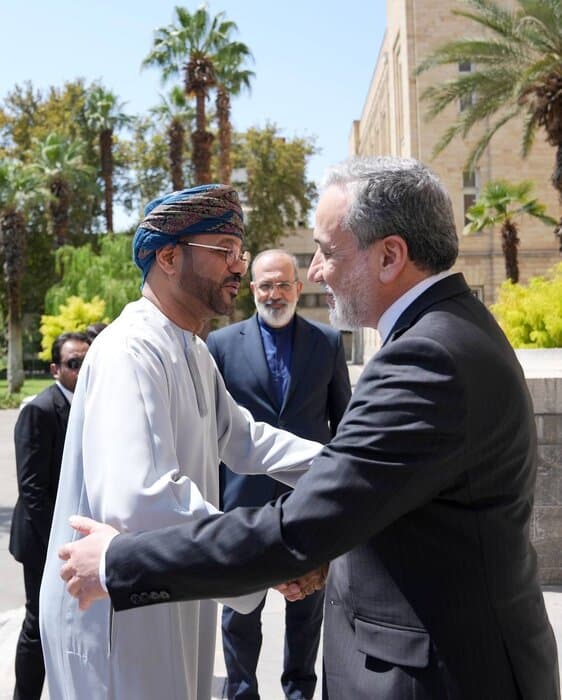
ERBIL, Kurdistan Region - Qatari Foreign Minister Sheikh Mohammed bin Abdulrahman Al Thani on Thursday met his Iranian counterpart Abbas Araghchi in Tehran, marking the third visit to the Iranian capital by an intermediary in the US-Iran talks in just four days, as the stalled negotiations appear to be gaining momentum.
“During the meeting, the two sides reviewed the latest developments in the region and the efforts being made to de-escalate tensions and create conducive conditions for dialogue, in a manner that contributes to enhancing regional security and stability,” Qatar's foreign ministry said in a statement.
The two top diplomats also discussed the “phased framework” proposed by Muscat and Tehran days earlier, “which includes establishing a temporary joint navigation corridor through the Strait of Hormuz and an agreement to implement a joint project to clear the strait of mines,” the ministry added.
The Qatari diplomat was cited as stressing “the importance of respecting the sovereignty of neighboring states and freedom of navigation, reaffirming the need to continue diplomatic efforts to de-escalate tensions and resolve differences through dialogue,” while Araghchi reportedly expressed gratitude to Doha for its “continued diplomatic efforts aimed at de-escalation and supporting dialogue.”
Al Thani's visit comes two days after Omani Foreign Minister Badr Albusaidi also traveled to Tehran, where he held "constructive consultations" with Araghchi that "focused on the importance both countries attach to resuming safe navigation through the Strait of Hormuz,” according to a joint statement.
Albusaidi and Araghchi discussed "a phased framework aimed at providing a practical and actionable basis" for the waterway, which includes establishing "a temporary joint maritime corridor through the Strait of Hormuz" and a joint mine-clearing project.
"Technical negotiations" between Muscat and Tehran are also set to continue toward "a permanent maritime corridor and future management arrangements for the Strait," the statement added, with both sides emphasizing "the importance of holding joint discussions with littoral states of the Gulf."
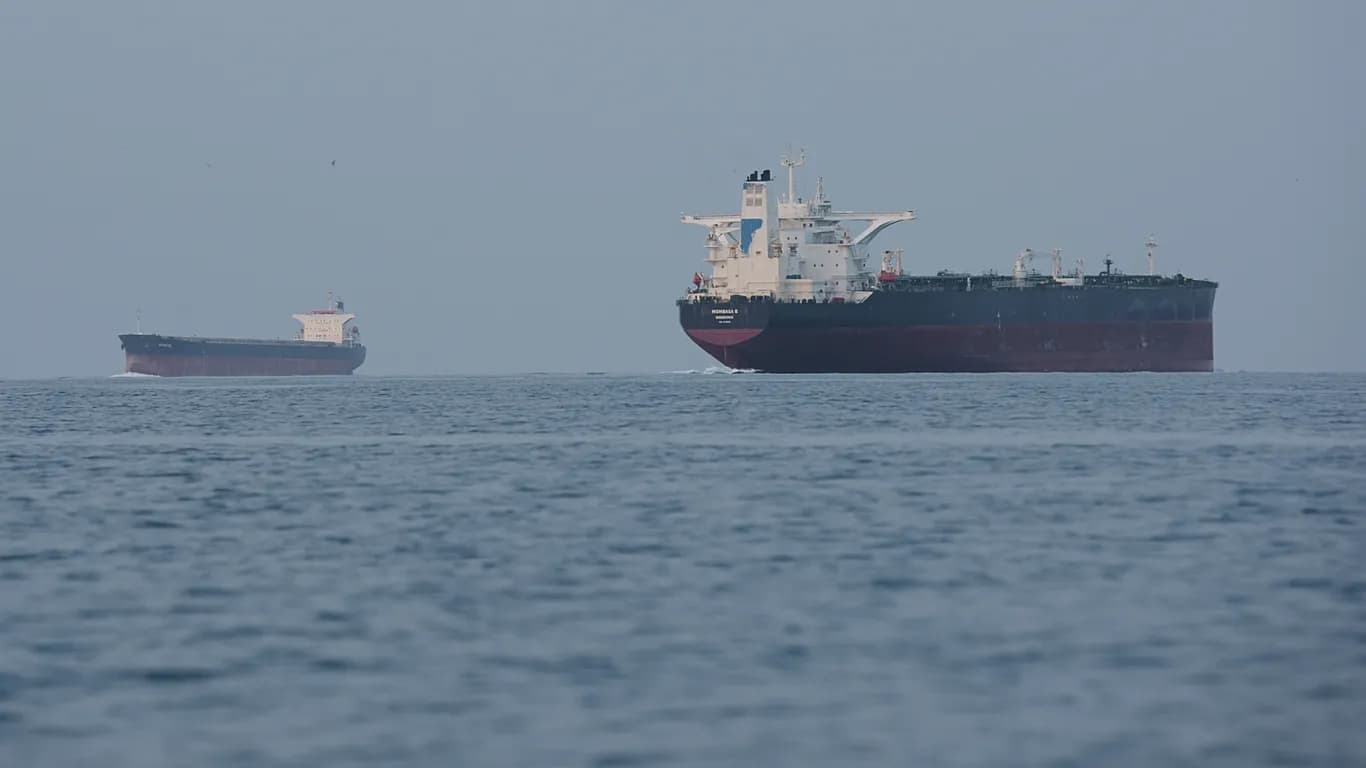
The Strait of Hormuz - a vital waterway through which around one-fifth of global oil supplies pass - has seen no return to normal shipping since the US and Israel launched a joint aerial campaign on February 28, striking thousands of targets across Iran over six weeks.
Tehran responded with thousands of drone and missile strikes across the Middle East, targeting alleged US assets - particularly in Gulf Arab states - while also launching retaliatory strikes against Israel.
The two sides reached a preliminary ceasefire mediated by Pakistan in early April, followed by the Islamabad Memorandum of Understanding in mid-June, which established a truce on all fronts and set a 60-day window for negotiating a final agreement, extendable only by mutual consent.
Despite the MoU, Iran and the US have traded multiple rounds of strikes and counterstrikes, the latest of which escalated on July 8 before subsiding in late July. A fragile de-escalation has since taken hold, but shipping through the Strait has remained severely disrupted.
Pakistani Army Chief Field Marshal Asim Munir, another key backchannel figure in negotiations between Washington and Tehran, also traveled to the Iranian capital on Monday, where he met with President Masoud Pezeshkian, Parliament Speaker and chief negotiator, Mohammad Bagher Ghalibaf, and Mohsen Rezaei, secretary of Iran's Supreme National Security Council (SNSC).
Tasnim News Agency, an outlet affiliated with Iran's Islamic Revolutionary Guard Corps (IRGC), cited a “source close to the Iranian negotiating team” as saying that Munir “was not carrying a threatening message” from the US, and was instead “seeking to open up space for negotiations and to convey Iran's conditions and positions to the American side.”
The source added that during Munir's day-long visit to Tehran, “Iran's positions were clearly communicated to the Pakistani side," including Tehran's “conditions regarding the Strait of Hormuz,” Tasnim said.
Mahdi Tabatabai, a spokesman for the Iranian presidency, said in a post on X that the Pakistani army chief’s visit "was highly fruitful and yielded very valuable diplomatic achievements, the results of which will become apparent soon."