
ERBIL, Kurdistan Region - The United Arab Emirates on Wednesday condemned “in the strongest terms” the Iranian attack targeting a Saudi carrier in the Strait of Hormuz amid the Kurdistan Region Prime Minister Masrour Barzani’s diplomatic visit to Abu Dhabi.
In a statement, the Ministry of Foreign Affairs condemned Iranian strikes that targeted the Saudi carrier “Sidr” as it transited through the Strait of Hormuz, resulting in the deaths of a number of crew members.
“This attack constitutes a grave threat to the safety and security of international navigation and represents a dangerous escalation aimed at undermining the security and stability of one of the most critical waterways in the world,” the statement read.
The semi-state-owned Saudi maritime shipping company, Bahri, said in a Wednesday statement that one of its vessels, the Sidr, was "involved in a security incident while transiting the Strait of Hormuz" on Monday evening, resulting in the deaths of two of its crew members.
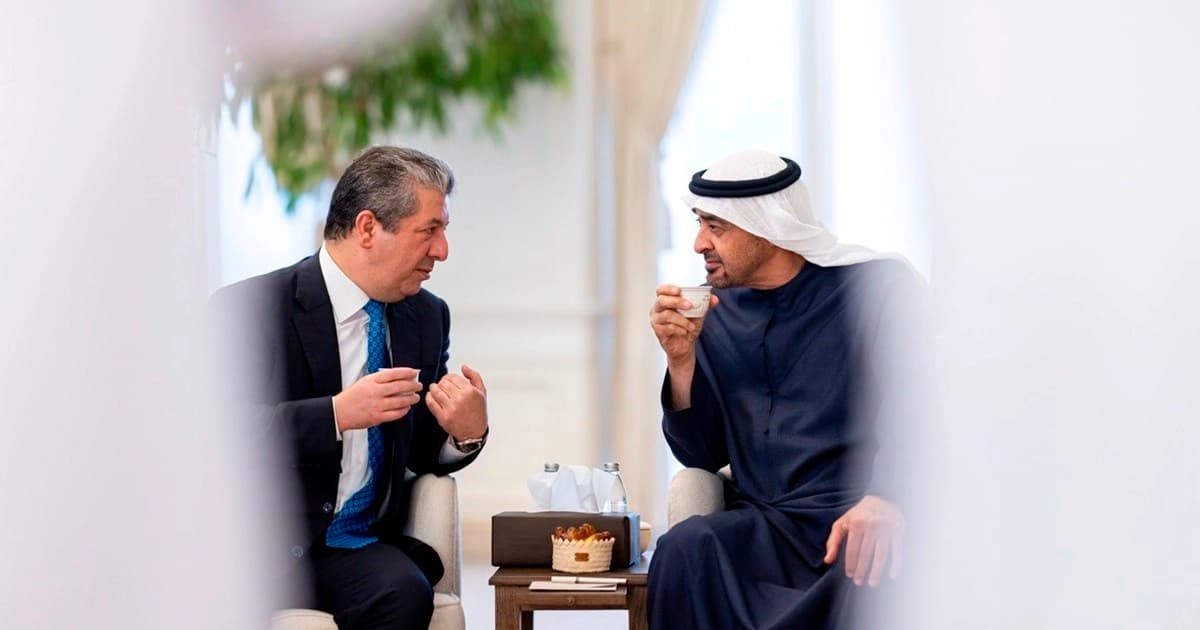
This comes a day after Kurdistan Region Prime Minister Masrour Barzani met with the President of the United Arab Emirates, Mohamed bin Zayed al-Nahyan, in Abu Dhabi on Tuesday.
In a Wednesday statement, the UAE ministry underscored the recent attack and the obstruction of international maritime routes as “unacceptable acts,” a “flagrant violation” of UN resolution and “a tool of economic coercion” constituting a “direct threat to the stability of the region, global energy security, and the safety of international trade flows.”
A Tuesday statement from the Kurdistan Region Prime Minister’s office echoed similar sentiments, in which “both sides condemned the recent attacks on the UAE” and “affirmed the need to maintain peace and security in the region.”
Both leaders agreed to further “expand on the partnership between the Kurdistan Region and the UAE” and expand cooperation in different sectors.
The UAE and the Kurdistan Region maintain strong relations and have been attacked extensively by Iran.
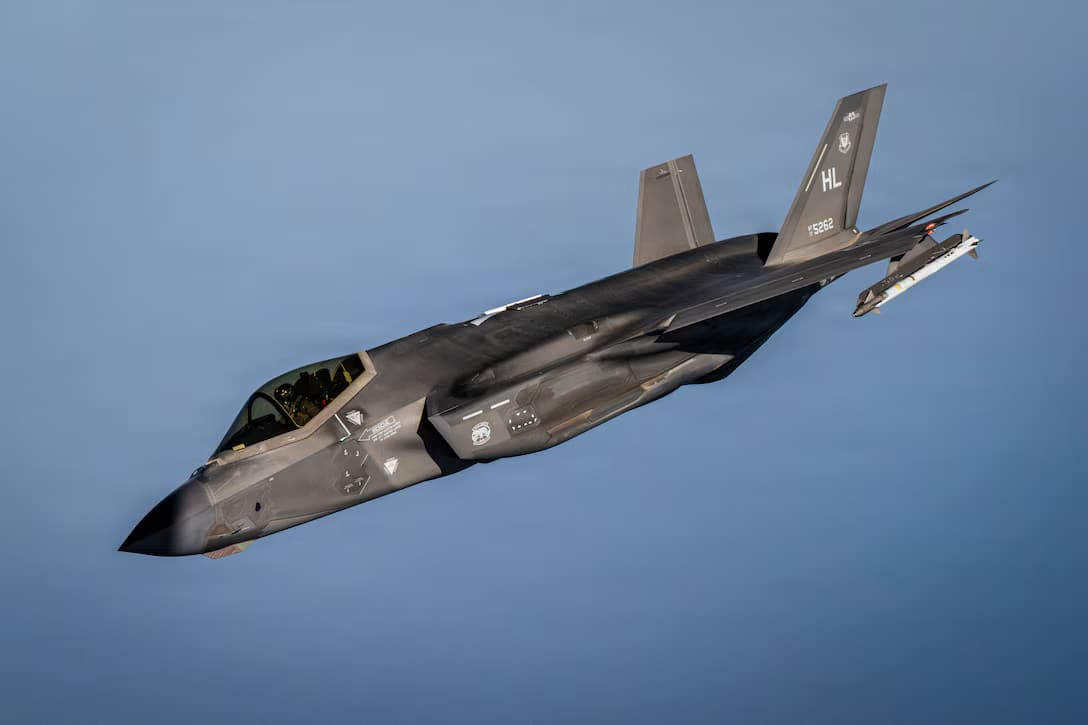
The latest round flared on Sunday when Washington carried out airstrikes on Iran's Larak Island in Hormozgan against what the US Central Command (CENTCOM) said were Iranian army "minelaying forces."
The Iranian Army said that same day it had "targeted locations housing US military helicopters and personnel at al-Minhad Base in the UAE with dozens of explosive drones," framing the attack as retaliation for the killing of three people in the US strike on Larak Island on Sunday.
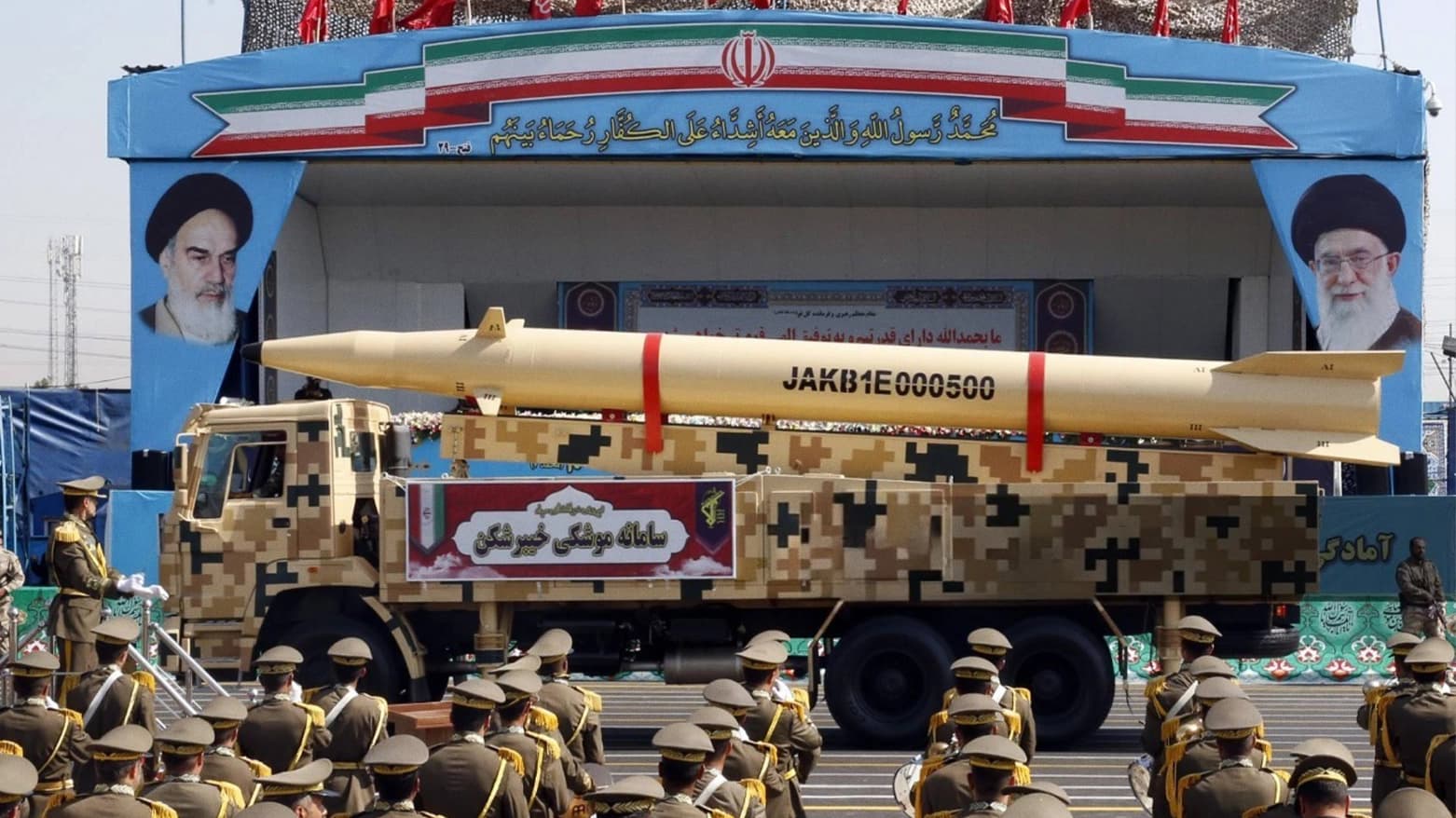
The US launched an aerial campaign against more than 100 targets in southern Iran on Tuesday night. Iran responded with missile and drone attacks targeting US forces in several countries in the Middle East, including Bahrain, Jordan, the UAE, Kuwait, and the Kurdistan Region of Iraq.
Two Kurdish security sources told Rudaw English on Wednesday that the IRGC struck and destroyed the US Tethered Aerostat Radar System (TARS) surveillance balloon over Erbil during the overnight attacks. The balloon system, a ubiquitous part of Erbil’s skyline for months, was not seen Wednesday morning.
The Erbil-based Counter-Terrorism Directorate (CTD) said US-led coalition forces shot down “ten explosive-laden drones” over the Kurdish capital early Wednesday.
The IRGC also claimed to have destroyed a repair center, technical equipment warehouses, and fuel tanks in Erbil, along with what it described as “the guidance system for an American spy balloon at the base.”
The UAE Ministry of Defense on Monday denied media reports claiming that al-Menhad Air Base was targeted by missiles.
Since the start of the conflict, the UAE has been targeted by 2,265 one-way attack drones, 551 ballistic missiles, and 29 cruise missiles since the outbreak of the Iran war, according to Emirati official statements in mid-August.
According to Rudaw tracking, the Kurdistan Region has recorded more than 950 drone and missile attacks launched by Iran and allied armed groups in Iraq since the outbreak of the six-week war in late February, killing 32 people and wounding 154 others as of early August.
The attacks come despite Kurdish leaders repeatedly stating that the Region is not a party to the conflict and calling for an end to attacks on its territory.