_(1).jpg&w=3840&q=75)

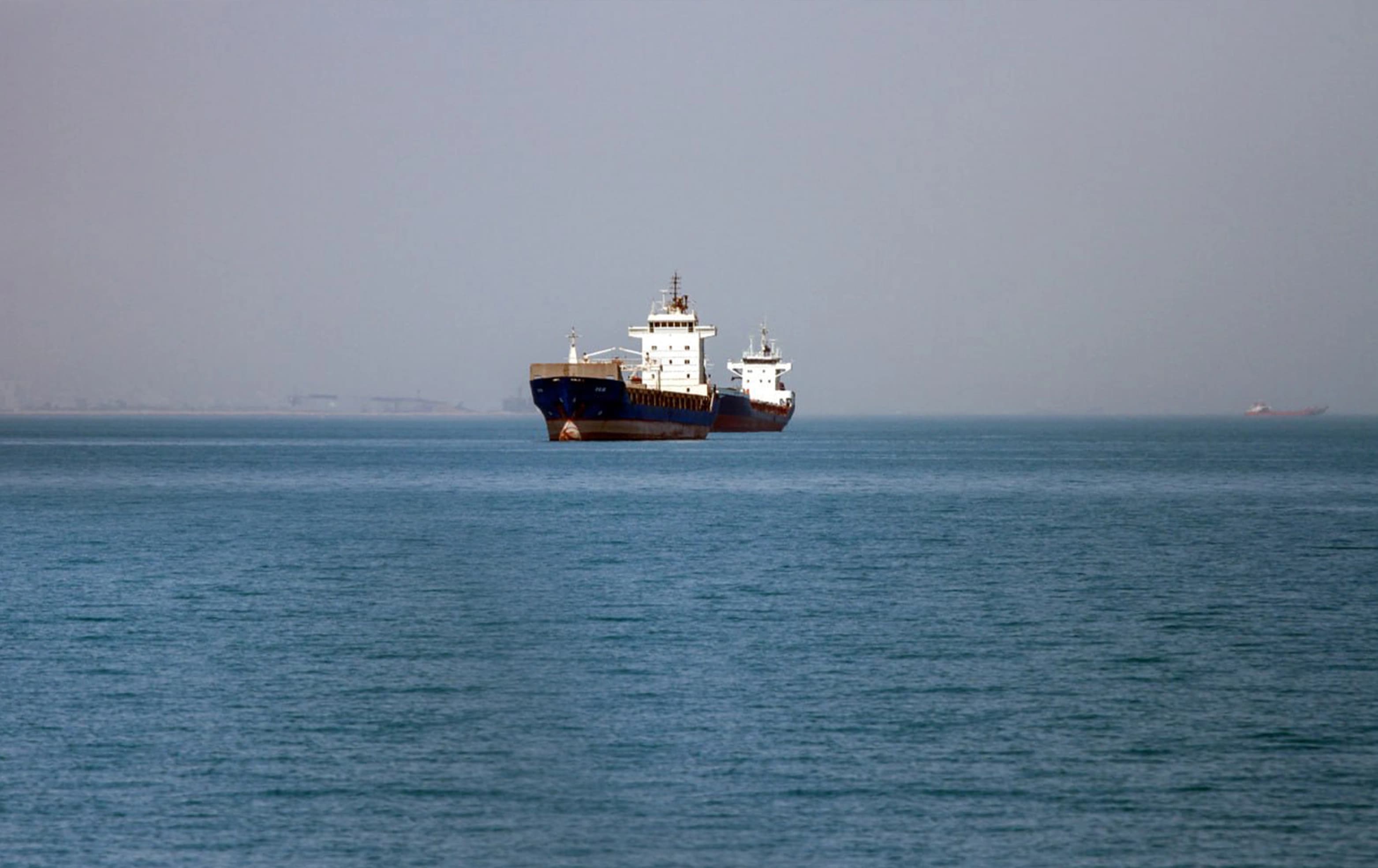
ERBIL, Kurdistan Region - Iran's Islamic Revolutionary Guard Corps (IRGC) navy said Friday it struck a Togo-flagged oil tanker over what it called an “illegal passage” through the Strait of Hormuz, restating Tehran's claim to the strategic chokepoint. The announcement coincided with a report of a “security incident” in the Strait by a British navy monitor.
“The offending oil tanker Trend, sailing under a Togolese flag, attempted illegal passage through the Strait of Hormuz,” said Brigadier General Ali Azmaei, IRGC navy commander, adding that “it was struck, caught fire and came to a halt.”
“The IRGC Navy warns once again that illegal passage through the Strait of Hormuz will bring nothing but the destruction of the offending vessel,” he said, adding that “the mariners of the IRGC Navy continue to hold firm control over the vital waterway of the Strait of Hormuz and will let no aggressor pass through it.”
The statement coincided with a report from the United Kingdom Maritime Trade Operations (UKMTO) of a “security incident in the Strait of Hormuz,” 16 nautical miles northeast of Khasab in Oman's northern Musandam province.
“The crew have been reported as safe,” the monitor said, noting that “no environmental impact has been confirmed at the time of this report” and that “authorities are investigating” the incident.
The incidents come as tensions remain high in the Strait of Hormuz, a critical energy chokepoint through which roughly one-fifth of global oil and gas supplies pass. The strategic waterway emerged as a flashpoint since the Iran war broke out in late February, when the US and Israel launched a joint air campaign that struck thousands of targets across the country over six weeks.
Tehran responded with drone and missile strikes across the Middle East, targeting what it said were US assets in Gulf Arab states and launching retaliatory strikes on Israel.
The warring sides reached a preliminary ceasefire in early April, followed in mid-June by the Islamabad Memorandum of Understanding (MoU), which established a truce and opened a 60-day window to negotiate a final agreement. Despite the MoU, both sides have traded repeated rounds of strikes.
In Hormuz, a US naval blockade of Iranian ports remains in effect since mid-July with the US Central Command (CENTCOM) reporting late Thursday that as of that day its forces “have redirected 104 commercial vessels to ensure strict compliance.”
Meanwhile, Tehran last week said it expanded its maritime control zone beyond the Strait of Hormuz to include waters off its southeastern port city of Chabahar, extending across the Sea of Oman and into the Arabian Sea.
The developments also come as US President Donald Trump on Wednesday anticipated that the war with Iran may be nearing its end.
“Hopefully we're toward the end of the war,” Trump told reporters in North Carolina. “Iran is very much wanting to make a deal. We'll see how that works out.”
Asked whether he had recently heard from senior Iranian officials, and whether contacts were direct or through intermediaries, the US commander-in-chief replied, “No, directly.”
RELATED: Trump says Iran war may be nearing end as US eyes postwar talks with Gulf states