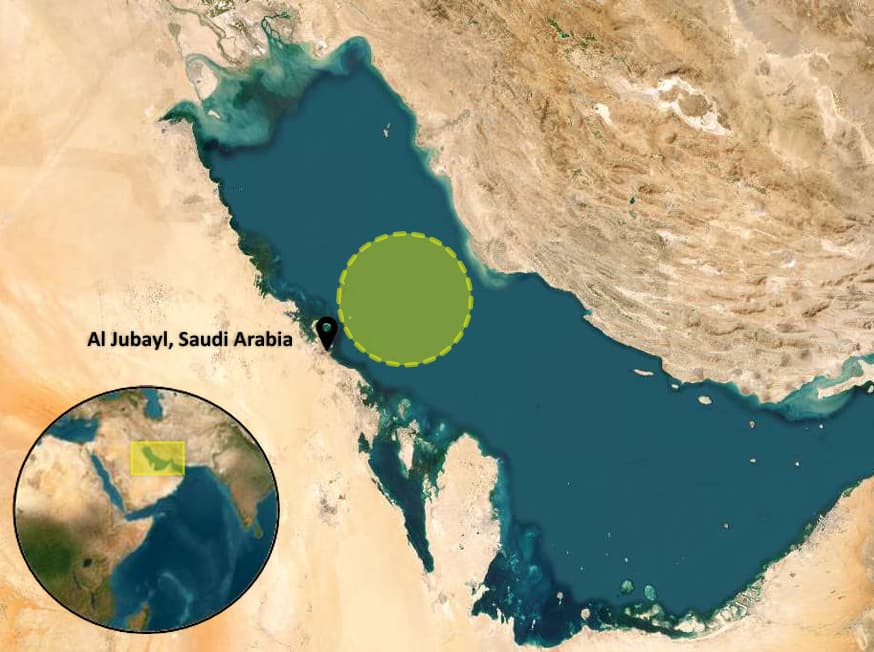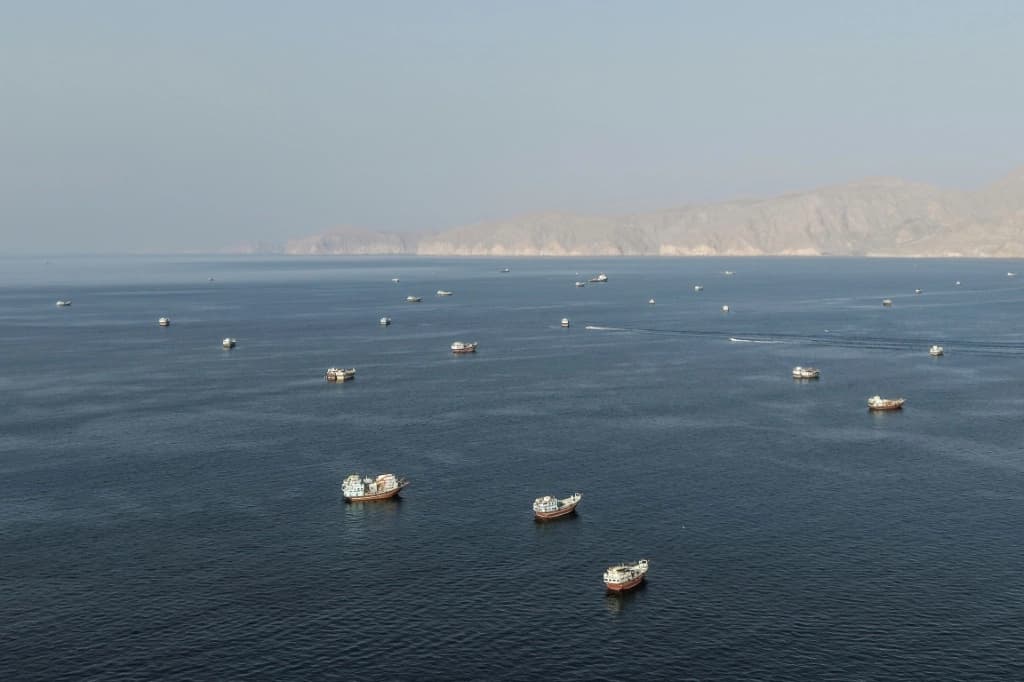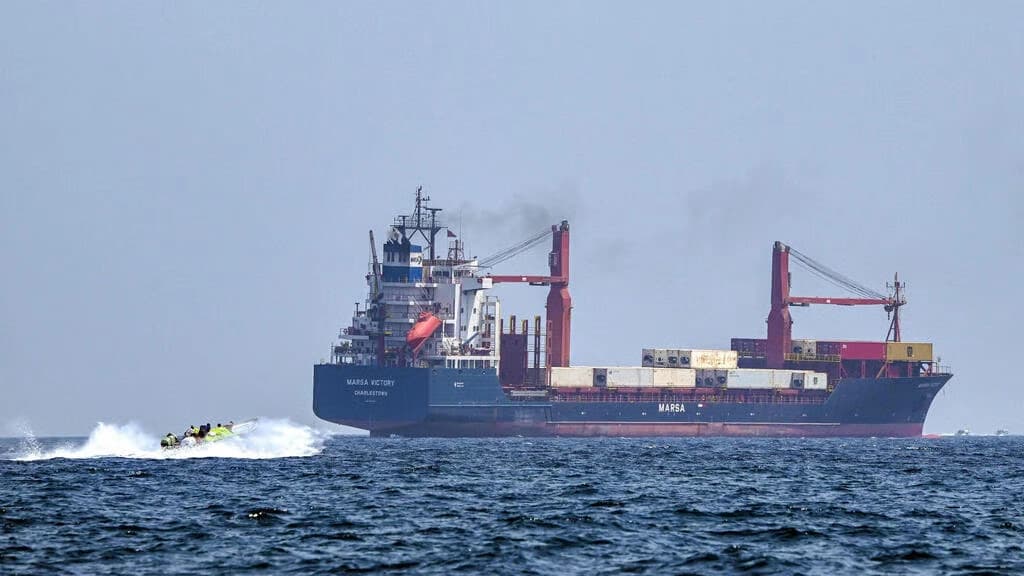

ERBIL, Kurdistan Region - Iran’s Islamic Revolutionary Guards Corps (IRGC) said Tuesday a supertanker struck a naval mine and exploded while attempting to exit through the “unauthorized southern route” of the Strait of Hormuz, as tensions rise over the waterway amid fears of renewed hostilities between Tehran and Washington.
“The supertanker, carrying more than two million barrels of crude oil, had switched off all its radar and navigation systems and disregarding warnings from the IRGC Navy,” according to the statement carried by IRGC-affiliated Tasnim News Agency, adding that unauthorized movement “that disregards the security of the Strait will be dealt with firmly.”
The statement follows an earlier claim that two oil tankers caught fire after striking Iranian naval mines. The latest report the United Kingdom Maritime Trade Operations (UKMTO) described an incident involving a tanker and military forces approximately 121 nautical miles east of Duqm, Oman, indicating that “the tanker was subject to interaction as part of ongoing military activity in the region.”
The monitor in its weekly report on Friday acknowledged it was “struggling to accurately report [the] true number of attacks with [the] majority of vessels attacked refusing to report to UKMTO,” citing constraints on reporting due to a lack of verification. Meanwhile, CENTCOM commander Brad Cooper on the same day affirmed that “the Strait of Hormuz is controlled by the United States and our regional partners - not Iran” and that it is “open for business.”
The incidents come amid a sharp escalation in attacks on commercial shipping through the Strait of Hormuz, a vital waterway that carried around a fifth of the world's oil and liquefied natural gas (LPG) trade before the US-Israeli war against Iran began on February 28.
Disagreements over control of the strait and freedom of navigation remain major obstacles to a lasting agreement between Washington and Tehran.
Several countries, in an attempt to prevent renewed hostilities between Iran and the United States, have stepped up diplomatic efforts. Pakistan has played a central role in mediation, with Army Chief Asim Munir making repeated visits to Tehran.
Munir arrived in Tehran on Tuesday for the fifth time since the war began, as Iran maintains a firm stance on negotiations with Parliament Speaker Mohammad Bagher Ghalibaf saying “we have nothing new to say” until Washington “implements Iran's seven conditions presented in New York.”
Meanwhile, Iranian President Masoud Pezeshkian warned that further negotiations risk sparking a new wave of strikes, stating that Iran “does not trust America and believes that if we negotiate, they will attack us again,” semi-official Fars news agency reported on X.
Russia has also pursued diplomatic efforts, with Foreign Minister Sergey Lavrov visiting Tehran on Monday to discuss freedom of navigation in the strait, outlining Moscow’s “readiness to render assistance in searching for mutually acceptable solutions to resolve this artificially created crisis.”
The developments come amid growing fears of renewed hostilities between Iran and the United States.
US Secretary of War Pete Hegseth early Tuesday made an unannounced overnight visit to meet with the Israeli prime minister, while US President Donald Trump vowed to “finish the job” in the war with Iran, which began in late February.