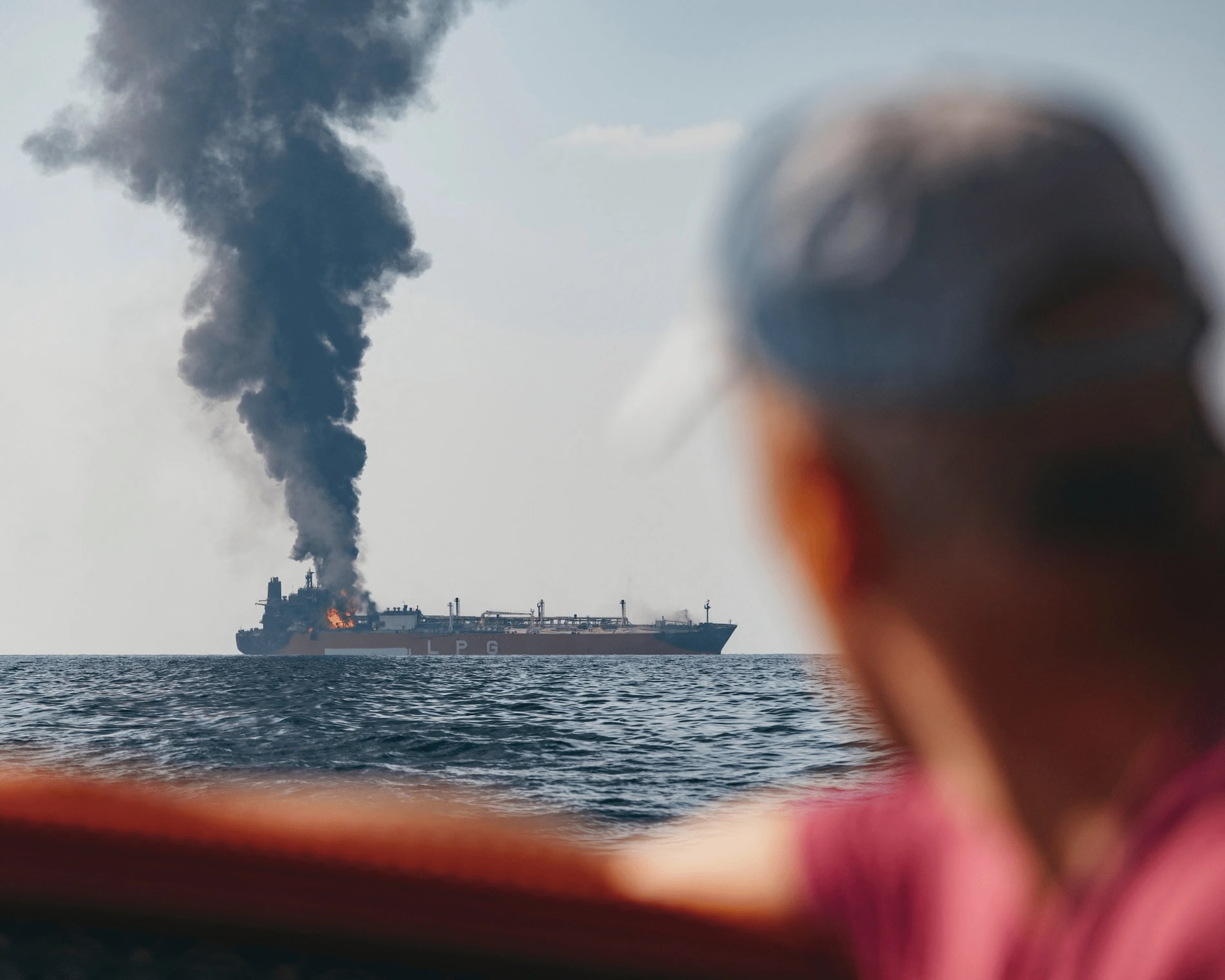

ERBIL, Kurdistan Region - Three oil tankers caught fire after striking naval mines in the Strait of Hormuz, Iran's Islamic Revolutionary Guard Corps (IRGC) Navy said Tuesday, as attacks on commercial shipping continue to disrupt traffic through the strategic waterway.
The IRGC-affiliated Tasnim news agency quoted the navy as saying that one tanker was struck off Iran's southern coast, while two others hit mines in the eastern part of the strait.
The vessels were sailing under what the IRGC described as extensive US military "air cover and escort," but the protection failed to prevent the explosions.
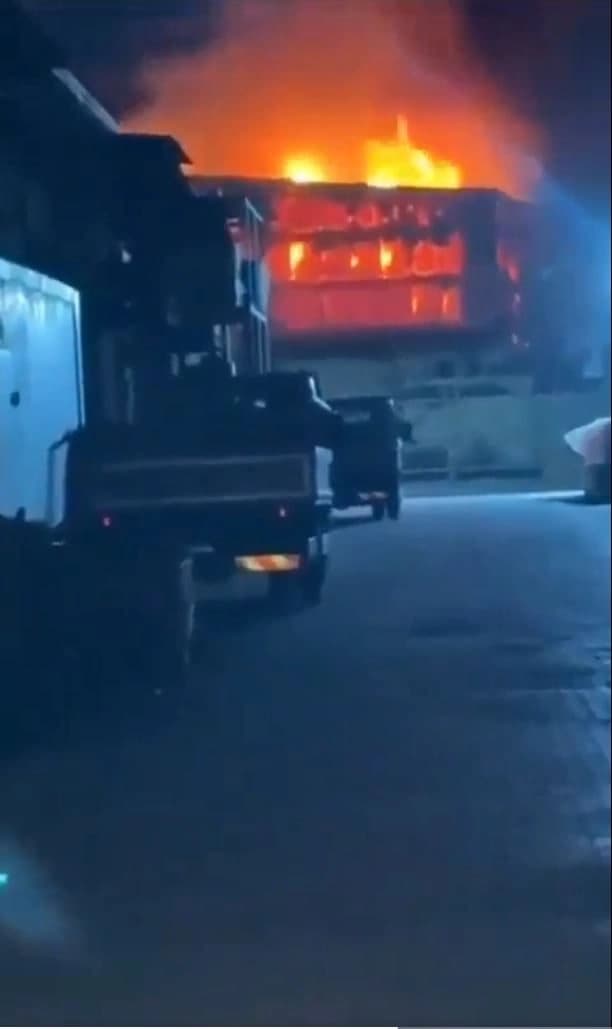
"The US military's air escort was unable to prevent these incidents from occurring," the IRGC Navy said, adding that images of the explosions and fires would be released in the coming hours.
The force warned shipping companies that the Strait is not "a place for testing unauthorized routes and ignoring maritime warnings," adding that any transit through unauthorized routes or disregard for its warnings would be considered a violation and "collaboration with aggressor forces."
The latest reported incidents come amid an intensifying campaign against commercial shipping in and around the Strait of Hormuz. The Washington Institute said Saturday that at least 22 attacks on vessels had been reported and confirmed in the waterway and surrounding maritime areas during November.
The institute has warned that continued attacks would make an energy recovery across the region "inconsistent and disrupted amid the ongoing attacks."
The attacks on vessels in the Strait of Hormuz area have led to a decline in oil exports through the strategic waterway. “With data for the first 15 days of November, the trend seen earlier this month is now solidifying: crude oil loadings are down, but a significant part of the drop is offset by rising exports of much needed petroleum refined products,” Javier Blas, Energy and commodities columnist at Bloomberg, said on Monday.
The Strait of Hormuz, through which approximately one-fifth of global oil consumption normally passes, has become a major flashpoint since the US-Israeli war against Iran erupted in late February.
Washington has imposed a maritime blockade targeting Iranian shipping, while Tehran has repeatedly threatened vessels operating in the strategic corridor, accusing the United States of escalating hostilities.
Despite the military confrontation, diplomatic efforts have continued. Iranian Foreign Minister Abbas Araghchi said Saturday that regional mediation between Tehran and Washington remained active, following a visit by a Qatari delegation to the Iranian capital.
"The Qatari delegation's visit to Tehran is nothing unusual; the existing mediators between Iran and the US are regularly traveling back and forth and conveying ideas and proposals during meetings," Araghchi told Tasnim.
He reiterated Iran's readiness to pursue negotiations while defending itself, but ruled out reopening the Strait of Hormuz without concessions from Washington.
"Our position is clear: until Iran's demands are met, the issue of the Strait of Hormuz and its reopening is not on the table," he said.
"The blockade of Iran is completely illegal, and there is a lot of speculation and rumor. We must give a chance to the talks taking place in the region and let the mediators' efforts continue as they are," he added.
US President Donald Trump, meanwhile, expressed confidence that Washington could secure a lasting agreement with Tehran, telling Fox News on Saturday: "I'm gonna make a deal that is gonna be permanent; I'm not gonna let somebody allow them to have a nuclear weapon."
On the military front, US Central Command (CENTCOM) said Saturday that the American naval blockade against Iran had reached its 130th consecutive day.
In a post on X, CENTCOM praised US forces enforcing the restrictions, saying the blockade was preventing the IRGC from exporting billions of dollars' worth of crude oil.