کوردیKURDÎENGLISHTÜRKÇEعربي
Rudaw Logo
Live
Kurdistan
Middle East
OpinionsAnalysisWorldECONOMYInterviewCultureMultimedia
Live
Rudaw

Download the Rudaw app

App StoreGoogle Play
Privacy Policy•Terms of Use

© 2026 All rights reserved.

Rudaw

Download the Rudaw app

App StoreGoogle Play
Privacy PolicyTerms of Use

© 2026 All rights reserved.

Pascal Ausseur, a retired French navy admiral and director general of the Mediterranean Center for Strategic Studies, speaking to Rudaw in February 2025. Photo: Rudaw

Pascal Ausseur, a retired French navy admiral and director general of the Mediterranean Center for Strategic Studies, speaking to Rudaw in February 2025. Photo: Rudaw

Middle East

Middle East faces strategic shift as US retreats: Former French admiral

RUDAW English

RUDAW English

03-03-2025
Listen
0:00
0:00
Text Size
RUDAW English
RUDAW English03-03-2025

Related Articles

US sanctions Hezbollah charity, Iranian-backed smuggling networks
Middle East19-11-2026

US sanctions Hezbollah charity, Iranian-backed smuggling networks

Iran invited to Abu Dhabi water conference despite targeting water infrastructure: UAE official
Middle East18-11-2026

Iran invited to Abu Dhabi water conference despite targeting water infrastructure: UAE official

Iran claims first strike on US base in Kuwait in nearly three months amid rising tensions
Middle East18-11-2026

Iran claims first strike on US base in Kuwait in nearly three months amid rising tensions

ERBIL, Kurdistan Region - The United States sees the Middle East as a “less critical” region and the new Washington administration is retreating, allowing regional powers to rise, a former French navy admiral and policy expert said. 

"The Middle East remains important for hydrocarbons, particularly for China, which relies on it. But for the US, which is now a producer and exporter of hydrocarbons, the region is less critical," Pascal Ausseur, a retired French navy admiral and director general of the Mediterranean Center for Strategic Studies, told Rudaw in an interview last week.

Ausseur explained that regional powers such as Turkey, Iran, Israel, and Saudi Arabia are “emerging as dominant players” in a “more autonomous” Middle East. “They are strong nation-states with strategic ambitions.” 

But he believes that Washington will remain in the Middle East to preserve its interests.

“The US no longer views Russia as strong enough to pose a threat to its interests,” he said, adding that it will stay in the region to influence oil flow and energy prices but will refrain from “entanglement in security issues or conflicts.” 

Ausseur explained that Donald Trump’s administration sees the Pacific as a greater national priority and has lost geopolitical interest in the Middle East and Europe.

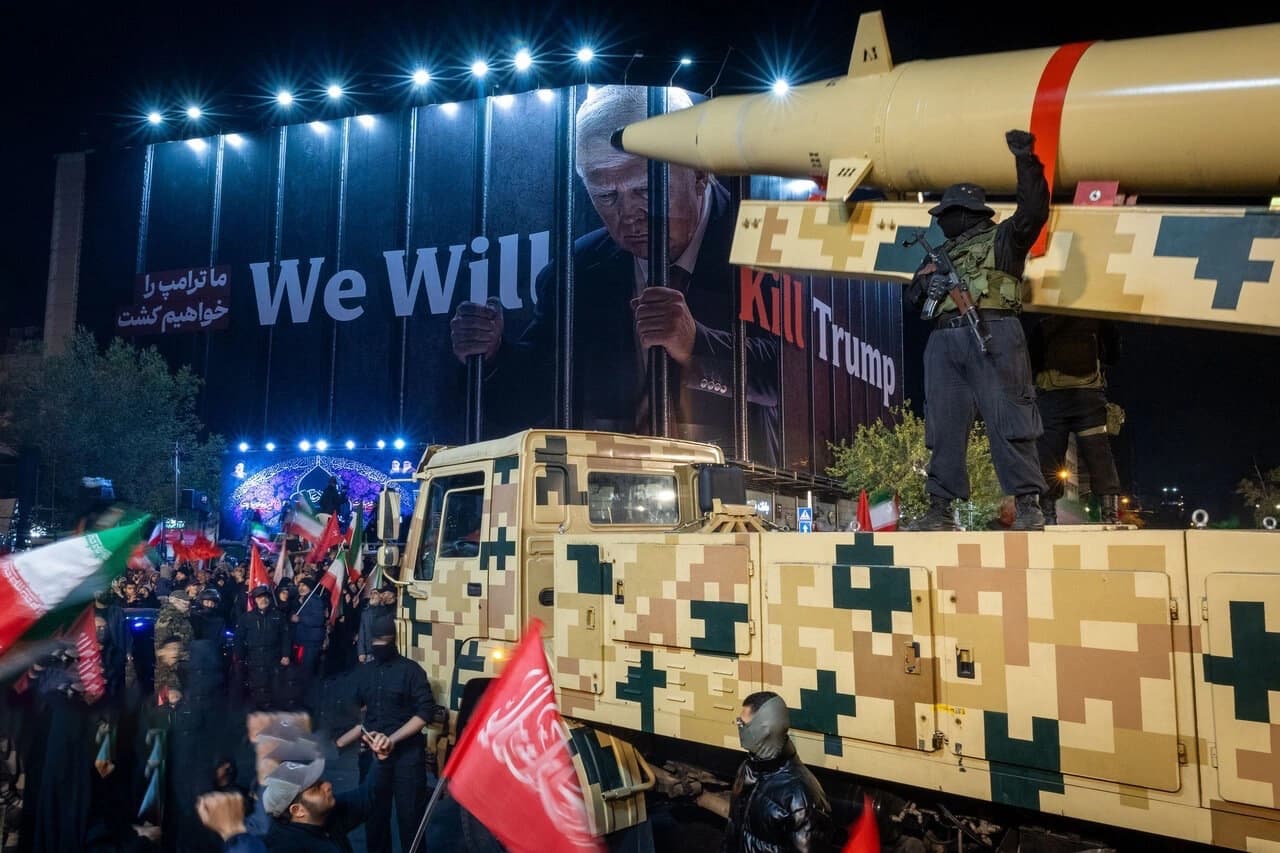
In the Middle East, he said that “weaker states will serve as battlegrounds for regional conflicts—such as the ongoing confrontations between Iran and Israel in Syria, Lebanon, and Iraq."
 

Related Articles

US sanctions Hezbollah charity, Iranian-backed smuggling networks
Middle East19-11-2026

US sanctions Hezbollah charity, Iranian-backed smuggling networks

Iran invited to Abu Dhabi water conference despite targeting water infrastructure: UAE official
Middle East18-11-2026

Iran invited to Abu Dhabi water conference despite targeting water infrastructure: UAE official

Iran claims first strike on US base in Kuwait in nearly three months amid rising tensions
Middle East18-11-2026

Iran claims first strike on US base in Kuwait in nearly three months amid rising tensions

Questions