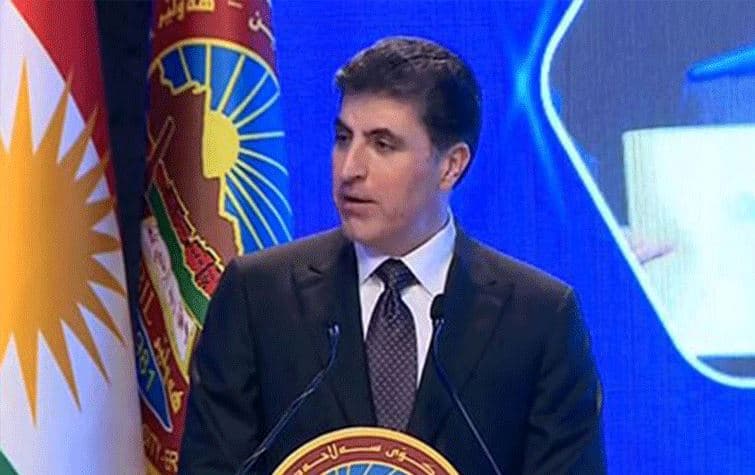

Barzani temporarily withdrew from the public sphere after the events of October 16. He was so upset with the situation that he even wanted somebody else to take on his responsibilities. Now the situation is apt for any politician to replace Barzani as president of the Kurdistan Region. There are many politicians in the Kurdistan Region, but few leaders. Nobody emerged to challenge his position; that is why the position should be given back to him.
Most official positions in the Kurdistan Region are run by Barzani’s KDP. That is why they are deemed the face of power in the Kurdistan Region. Barzani won Iraqi elections and won twice the seats of its rival in Kurdistan’s parliamentary elections. That is why the international community deals with the KDP. And it is because of this that KDP moves will directly impact living conditions in the Kurdistan Region.
In light of this, Barzani’s visit to Baghdad will have good implications for the people of Kurdistan, Barzani himself, and his party. Some thought Barzani’s political life ended after he pulled out of the public eye last year. But his recent political maneuvers showed he is still a key political figure in the Iraqi and Kurdish political process.
Due to recent problems between Erbil and Baghdad, the KDP was sidelined in Baghdad’s political process to a great extent. But from now on, Baghdad will be dealing with Erbil in matters related to Kurds or the Kurdistan Region.
So what good will Barzani’s visit to Baghdad and improvement of his relations with Iraqi parties bring to the people of Kurdistan? Disagreements between the KDP and Baghdad hurt the interests of the people of Kurdistan in the past so better relations between them will bring good to the Kurdistan Region. And Baghdad will at least not punish the people of Kurdistan as it used to be the case in the past when ties with KDP were severed.
Party politics and disagreements affect people’s lives in the Kurdistan Region because of the lack of established legal institutions and a functioning constitution. People pay the price for party disagreements even if they are not associated with these parties. This is the case whenever there are internal disputes among parties in the Kurdistan Region, or whenever these parties’ relations with the outside world sour.
In recent years, relations between Baghdad and Erbil were strained because of outstanding problems between the two. And this prompted Baghdad to cut the budget share of Kurdistan and wage military attacks against Kurdish people. This shows that the collapse of Saddam Hussein did not eliminate the chauvinistic mentality that doesn’t recognize the Kurds.
Many thought part of the problem behind strained relations between Erbil and Baghdad lay with Kurdish authorities. They thought a strong Kurdish presence in Baghdad will create conditions for accepting the Kurds.
Kurdish parties differed on their position toward Baghdad. The Patriotic Union of Kurdistan (PUK) thought the Kurdistan Region would be strong if it has a strong presence in Baghdad and the Kurdish cause can be resolved in coordination with Iraq. The PUK even blamed the KDP for not understanding this reality. Some thought the way the PUK was looking at this problem was a political reaction to the KDP, rather than its own vision for the problem. They thought if the PUK is close to Baghdad, the KDP will distance itself from Baghdad, and vice versa.
The KDP is now convinced Kurds should have a strong presence in Baghdad as long as we are part of Iraq and that we should stick with Iraq for now. If this was PUK’s vision too rather than its reaction to the KDP in the past, then Barzani’s visit to Baghdad and the improvement of relations between his party and Iraqi parties should bring the KDP and PUK closer. This in turn would have positive implications for the Kurdistan Region.
But the rhetoric of PUK media outlets shows the PUK isn’t happy about Barzani’s visit to Baghdad and KDP’s emerging relationship with Iraq’s political power players.
The views expressed in this article are those of the author and do not necessarily reflect the position of Rudaw.