
ERBIL, Kurdistan Region – Erbil’s municipal government is bringing in more money, but is still cash strapped and plans to introduce fees for public services like trash collection.
The municipality made nearly 68 billion dinar ($57 million) in revenue over the past three years, according to official data. The money coming in has increased annually over the past three years: 18 billion dinar in 2016, nearly 20 billion dinar in 2017, and 30 billion dinars in 2018.
“Due to a review of the municipality’s rental contracts, taking money for removing rubbish, charging businesses for the signs they use, increasing the charges for the municipality’s services, and selling some strategic lands, this year’s revenues have increased by nearly 9.986 billion [dinars] compared to last year,” Saman Mohammed Bilbas, head of Erbil municipality, told Rudaw of 2018 figures.
The municipality’s revenue sources vary. It takes rent for 15,000 contracts with shops, warehouses, supermarkets, lands, Langa Bazaar, and northern and southern industrial complexes. It has also sold some public lands, and charges for services.
Seventeen percent of the revenues go towards city projects.
“This small amount is not enough for all our projects,” said Bilbas. But they were able to work on 139 projects across the city.
“We paved all the roads in the two neighborhoods of Rasti and 32 Park. We also paved roads in some areas of New Erbil neighborhood. We dedicated nearly 500 million dinars to renovate the Qaysari Bazaar, and nearly 500 million dinars to cover the expenses of parks like digging wells, buying manure and trees,” he explained.
Before the Kurdistan Region was hit by the financial crisis, every municipality received 75 million dinar ($62,800) from the KRG. When the financial crisis hit, this was reduced to 21 million dinar ($17,600), in addition to keeping 17 percent of their own revenues
Municipality 1 has Erbil’s downtown markets within its administration borders. It brings in the most money among all the city’s divisions and has seen its revenue increase by 68 percent over the past three years.
The money they have to spend is “very little considering our needs. That is why we spend it only on urgent projects,” said the head of the municipality, Marwan Hadi.
The city is spending more than it takes in.
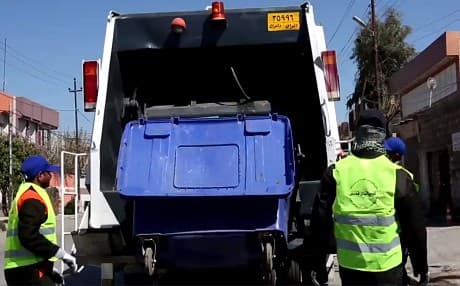
In 2016, in an attempt to increase revenues and reduce expenditures, the KRG reviewed municipality services and increased license fees for new residential and commercial buildings, and decided to charge for removing rubbish, though not all the fees have been put into place yet because of the economic crisis.
“We will try to gradually increase our revenues until we reach self-sufficiency through reviewing the contracts and developing street advertisements. But this takes time, and we don’t want to put a heavy load on people at once,” Bilbas said.
“The task of cleaning the city has been given to six private companies and their monthly expenditures are nearly 2 billion to 2.5 billion dinar ($1.6 – 2 million). Their contracts have finished, but we have extended their contracts by six months. We will then prepare new tenders,” he said.