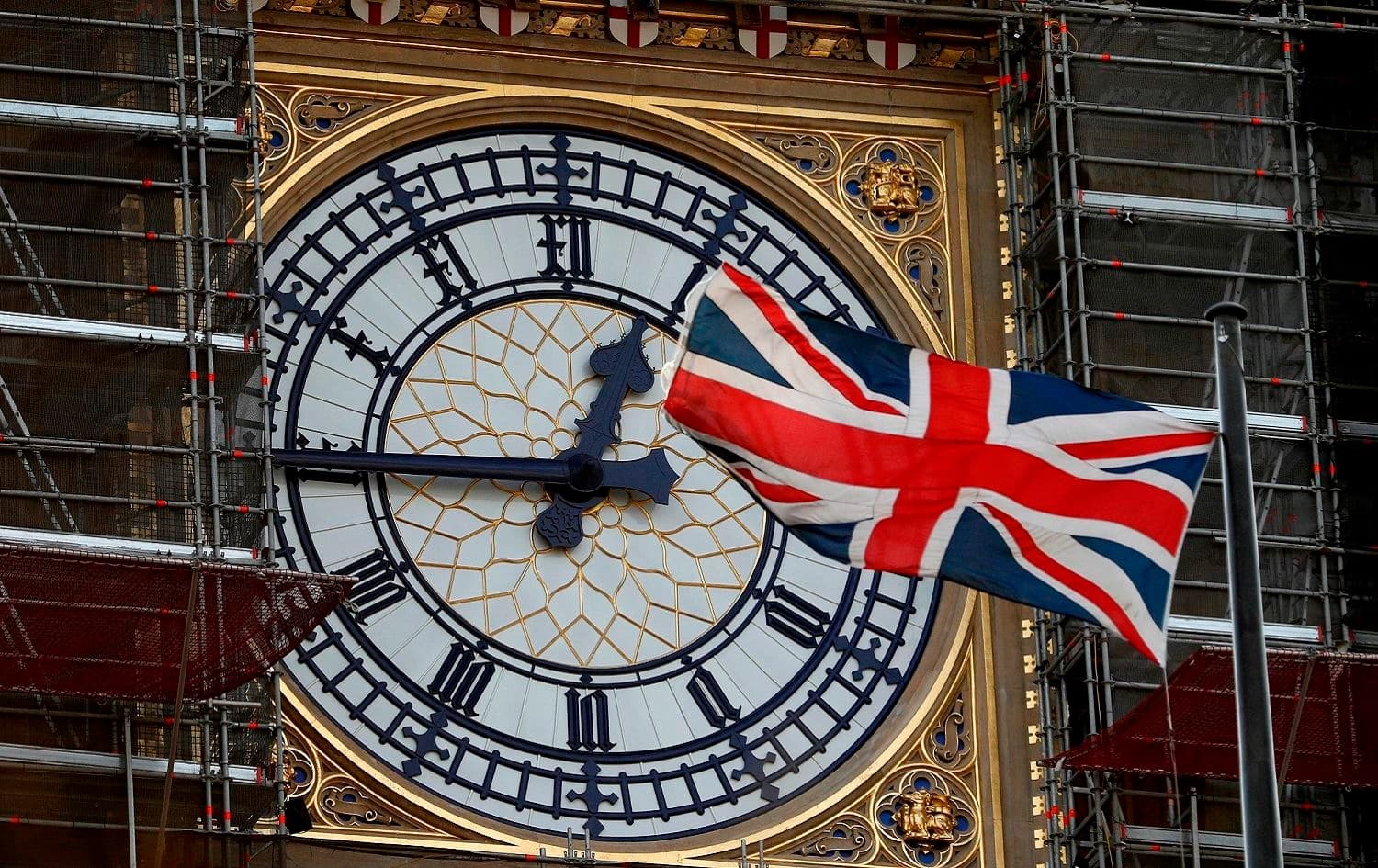
It’s all change at Westminster, where Britain’s new parliament is just weeks into its five-year term. Freshly elected MPs scurry here and there seeking spare office space while trying to cope with their bulging email inboxes.
Next is the election of the chairs of the influential Select Committees and then the full membership of these scrutiny bodies. The composition of committees on Foreign Affairs, Home Affairs, and Defence and their inquiries could have a significant influence of the government’s understanding of and bilateral ties with the Kurdistan Region.
But new parliaments take time to get into their stride, as I have seen eight times in the last 32 years. However, the All-Party Parliamentary Group (APPG) on the Kurdistan Region of Iraq and its active new chair, Robert Halfon MP, are setting the pace to advance bilateral relations and win more parliamentary support.
One means of doing that is via Early Day Motions (EDMs), which put issues on the record and accumulate parliamentary support for propositions; so far about 100 have been tabled. The motions are published in a daily bulletin which MPs and ministers flick through to decide whether they wish to support them and see at a glance the issues that other MPs are seeking to highlight.
Halfon has swung into action with an EDM that initially won the support of Labour’s Mary Glindon and Conservative Jack Lopresti, both former chairs of the APPG, as well as Chris Stephens from the Scottish National Party. More will back it, but don’t expect hundreds to do so because frontbenchers and some other MPs never sign such motions for reasons of protocol or because they prefer other means of making representations.
Halfon’s new cross-party motion starts by applauding the Kurdistan Regional Government (KRG) for upholding its integrity in a delicate geopolitical position through adroit management of regional and international relations and supports its efforts to improve relations with Baghdad through fully implementing the federal constitution.
The motion backs Kurdistan’s quest for good relations with its neighbours while freely choosing allies and the hope that this facilitates vital investment, trade, and capacity-building expertise. The MPs believe that this bolsters reforms to diversify the economy, improve public services, and boost a vibrant private sector and civil society. They argue that such reforms encourage greater accountability, transparency, and participation by youth and women.
Their motion proudly notes that the KRG identifies the UK as a partner of choice and commends the UK-KRG Reform Partnership to, for instance, professionalise and unify the Peshmerga.
They also commend the Peshmerga and the KRG for successfully maintaining internal security and stability and exemplary religious moderation, tolerance and pluralism that defies extremism, which remains potent despite major territorial losses by the so-called Islamic State (ISIS).
They agree with the KRG that withdrawing UK, US, and other troops from Iraq would be unwise and that Iraq should not be a battlefield for others. They promote the view that the KRG’s position and experience enables it to better interact with relevant actors to de-escalate tensions and makes the KRG a vital interlocutor for UK foreign and security policy.
They stress a central request that the UK government should at the earliest opportunity invite the KRG leadership on an official visit to meet the Prime Minister and others and consolidate these bilateral relations.
Halfon has also tabled a raft of written questions seeking factual information from various ministries on the details of the bilateral relationship. He wants to know more about Humanitarian Fund projects, UK-based businesses in Kurdistan, measures to promote trade, details of all projects under the reform partnership and their effectiveness, recent diplomatic steps to support peace, stability, and the development of democracy, and how many Peshmerga have been mentored by the British Army. Two questions tackle the vexed visa question by asking for details on the latest rejection rate for Iraqi Kurds and plans to further reform the visa application process.
Written answers by ministers will take time to emerge but may provide the information needed to advance the bilateral relationship, identify any gaps, and allow parliamentary friends of the Kurdistan Region to draw up a detailed and up-to-date agenda for action.
Some MPs are clearly tuned into Kurdistani matters but many new ones will only have vague impressions as they adjust to the hectic pace of parliamentary life. The Kurdistan Region has long been a factor in British foreign policy. Just think of the effort under Conservative and Labour governments to run the no-fly zone for twelve years. But APPG meetings together with motions and questions can highlight the importance of the Anglo-Kurdistani link for our mutual benefit.
Gary Kent is the Secretary of the All Party Parliamentary Group (APPG) and a Fellow of Soran University. He writes this column for Rudaw in a personal capacity. The address for the all-party group is appgkurdistan@gmail.com. The APPG was suspended ahead of the general election.
The views expressed in this article are those of the author and do not necessarily reflect the position of Rudaw.