ERBIL, Kurdistan Region - Syria’s anti-narcotics directorate announced Thursday it seized 31 million Captagon pills and carried out several cross-border operations during nationwide crackdowns on drug trafficking networks this year.
“During this year, and through preemptive strikes, our units executed 84 major operations, including 11 international cross-border operations and 73 domestic operations, that dismantled their networks across the country and severed their vital lifelines,” the directorate posted on X.
The directorate said the operations resulted in the seizure of “approximately 31 million Captagon pills, nearly half a ton of hashish and marijuana, and 15,840 kilograms of raw materials, in addition to 15 GPS devices” used to guide smuggling convoys through the desert.
Captagon, a powerful amphetamine, has long been a source of concern across the Middle East.
Syria, under the regime of toppled Syrian dictator Bashar al-Assad, was widely recognized as a primary source of Captagon production and distribution. The trade became a political and economic tool for the Assad regime, with many analysts pointing to Maher al-Assad, the president’s brother, as a key figure behind the industry.
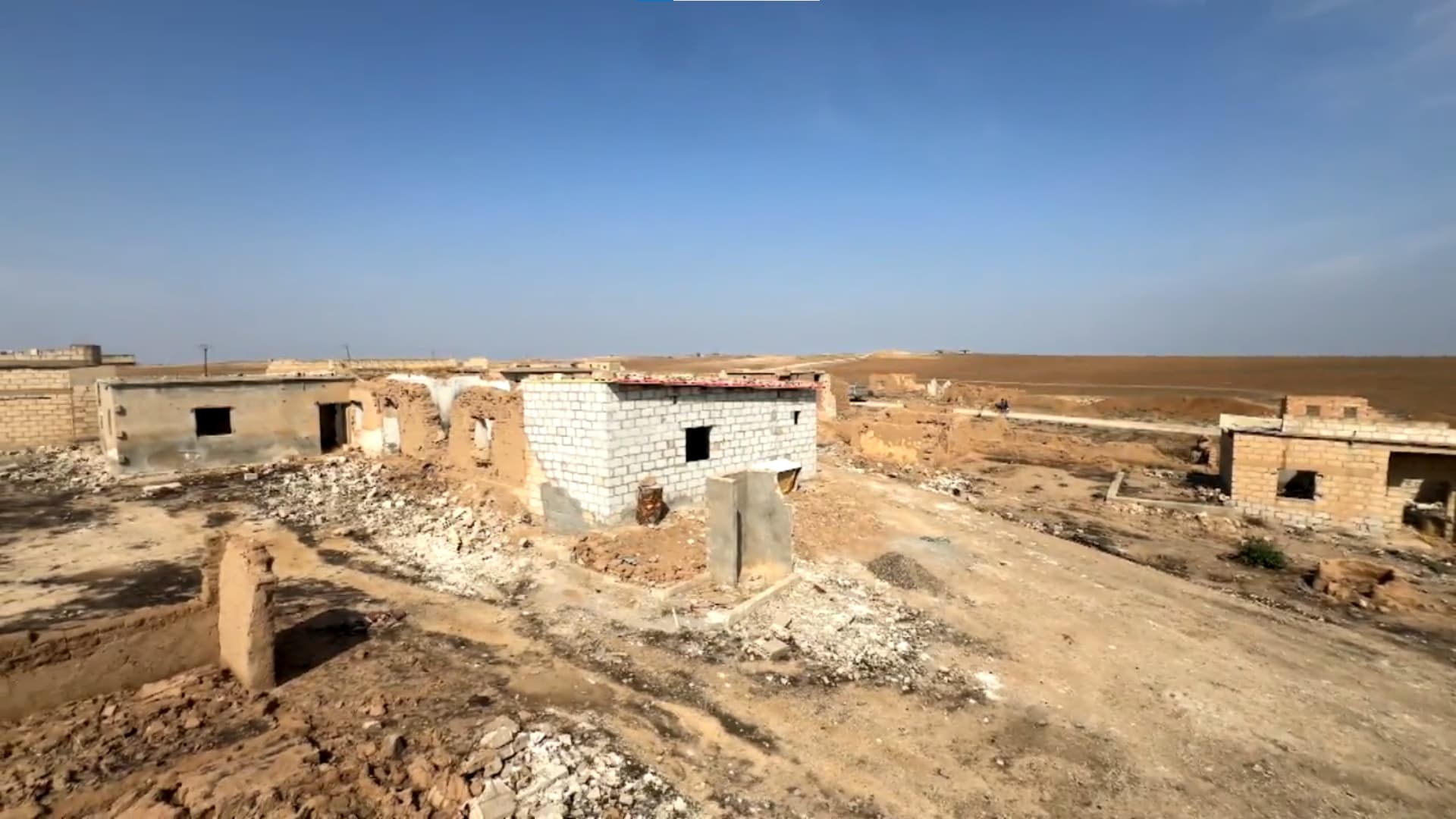
The directorate said criminals used Homs province as a corridor for their operations. The province overlooks Syria's western border and extends deep into the desert.
In late June, Syria’s interim President Ahmed al-Sharaa declared a war on drugs in efforts to dismantle the inherited "legacy" of drug manufacturing and trafficking from the previous regime.
Meanwhile, Syria’s Interior Minister Anas Khattab marked the International Day Against Drug Abuse in a statement by pledging to "confront this dangerous scourge by all legitimate means to achieve a 'Drug-Free Syria.'"
Homs province shares a border with Lebanon’s northeastern Baalbeck-Hermal region and the Bekaa Valley. Numerous factories were established in those regions where rugged terrain, long-standing clan-based networks, and weak state control have turned the region into a smuggling hotbed.
The loosely demarcated and highly porous nature of the border, coupled with deep familial and economic ties between border communities, further enables the illicit drug trade.
Additionally, the presence of powerful non-state actors - most notably the Lebanese Hezbollah movement - complicates law enforcement efforts. With its own supply routes and logistical infrastructure, Hezbollah has long been accused of facilitating or turning a blind eye to drug smuggling, undermining the efforts of both Lebanese and Syrian state security forces.
Iraqi and Syrian anti-narcotics authorities last month dismantled an international drug trafficking ring following joint operations in Syria’s Homs and Deir ez-Zor provinces.
Combating drug-trafficking is a major area of cooperation between Iraq and Syria across their 600 kilometer-long shared borders. By mid-2025, cooperation shifted from monitoring to engaging in cross-border raids, allowing Iraqi security forces to enter Syrian territory to intercept networks smuggling illicit shipments into the country as well as those headed for Gulf markets.