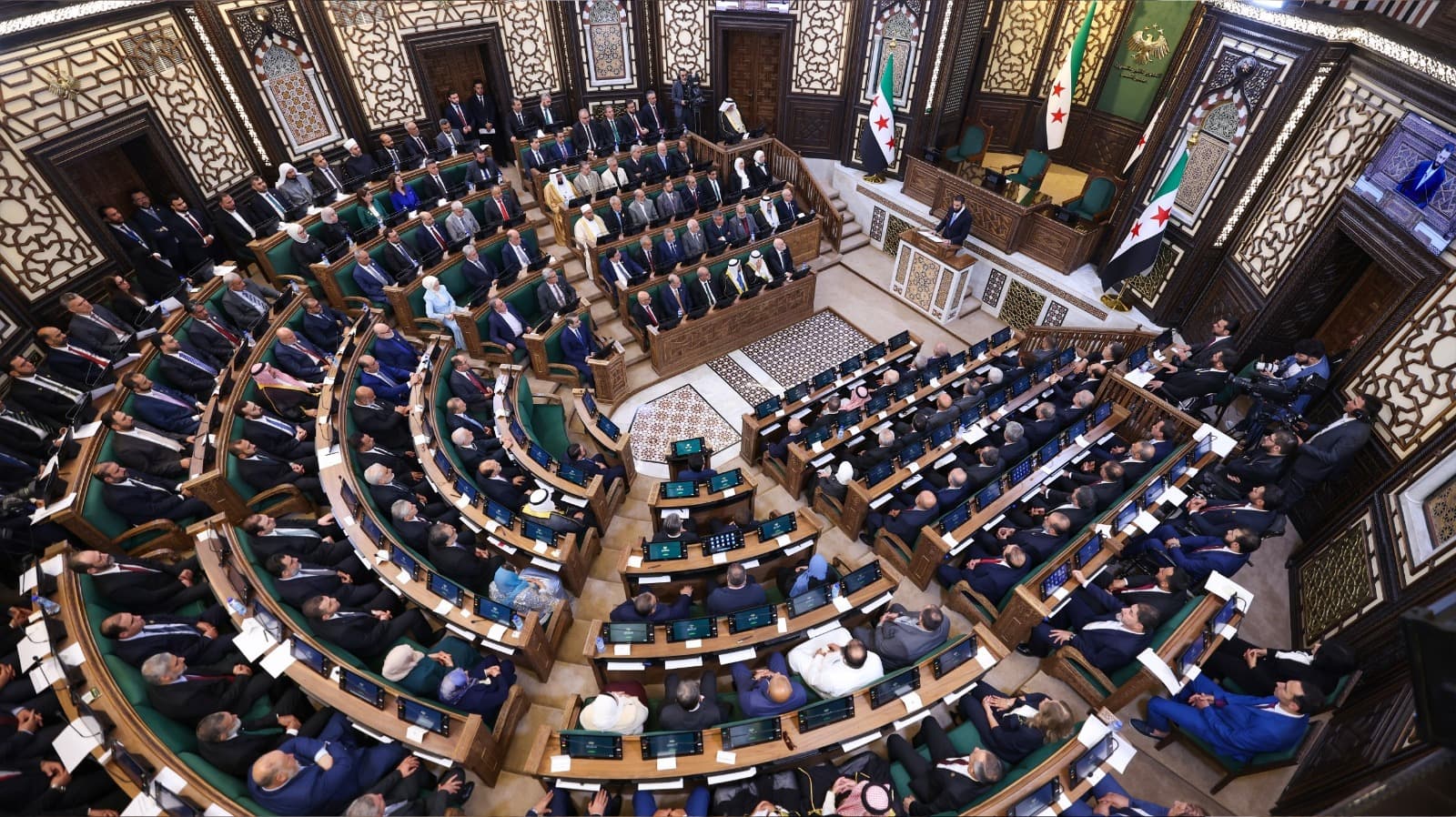
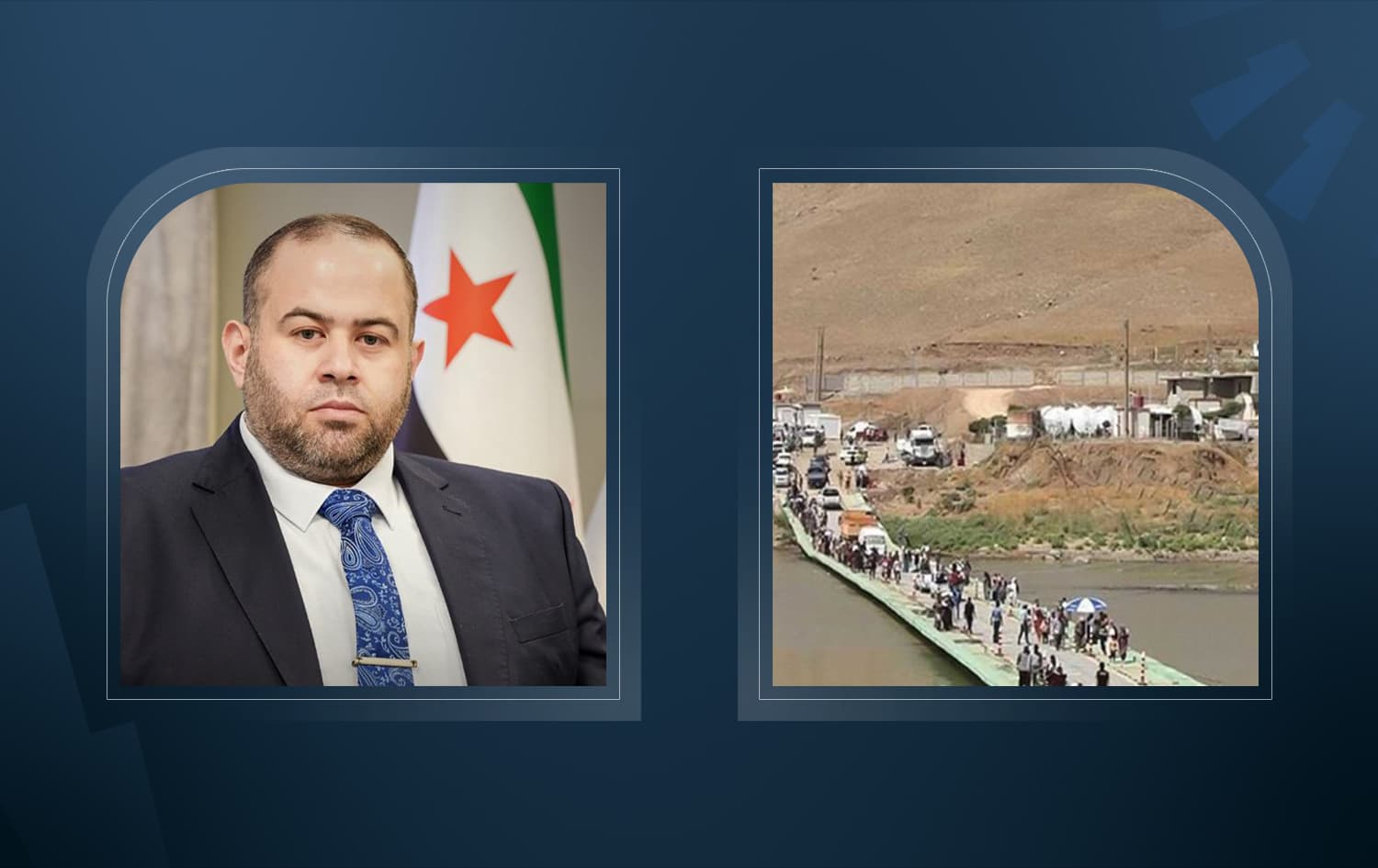
ERBIL, Kurdistan Region - Kurdish areas experienced massive Arabization campaigns during the Assad regime's rule, a Syrian Kurdish political leader said on Sunday, highlighting the need to advance legislative efforts and form an "independent investigative committee” to address the issue as the country navigates its transitional period.
“The interim government and its successors must come forward to build a new Syria and dismantle these discriminatory policies through a national dialogue and consensus,” Talal Mohammed, leader of the Kurdistan Democratic Peace Party (PADK), told Rudaw's Nushin Heme.
The PADK is close to the Kurdish administration in northeast Syria (Rojava).
He added that the Ba'athist regime began Arabizing Kurdish areas to alter the demographics of the region. “In this context, projects like the 'Arab Belt' were implemented, and the Kurdish names of all cities, towns, villages, and mountains were changed to Arabic names."
His remarks come days after a signpost was erected on Thursday at the entrance of Kobane city bearing the name “Ayn al-Arab” - an Arabic name coined under the Assad-led Ba'athist regime to erase the city's Kurdish identity in the northern province of Aleppo - sparking widespread outcry and criticism.
Kurdish politicians and activists called for the removal of the sign alongside the official recognition of the city's name as Kobane. The city holds a symbolic meaning for Kurdish resistance, famously known for its resilience against the Islamic State (ISIS) siege in 2014 and, more recently, against Syrian interim government forces in January.
A history of marginalization
The Kurdish party leader stressed that they “demand the legal repeal of all decisions and policies enacted against the Kurdish people - particularly the 'Arab Belt' project - and the full compensation and restitution of rights for all affected individuals.”
The Syrian government resettled thousands of Arab families to Kurdish areas in Syria after their lands were immersed by the construction of Tabqa dam on the Euphrates river in 1975 through what was known as the Arab Belt project.
The Arab families were colloquially referred to as the “submerged Arabs” as they were displaced on the grounds that their original lands would be flooded in order to construct a dam.
Furthermore, an estimated 120,000 Kurds were stripped of citizenship through the 1962 census in Hasaka. The census created two categories of stateless Kurds: those labeled as “foreigners,” who held limited documentation, and others known as “maktoumeen,” who had no official records at all.
Both groups were denied basic rights, including access to education, healthcare and property ownership.
Mohammed noted that the rights promised to Kurds must not only be enshrined in the new Syrian constitution, but the underlying consequences of these Ba'athist policies must be formally evaluated and resolved under the umbrella of transitional justice.”
Interim Syrian President Ahmed al-Sharaa issued the landmark Decree No. 13 in January that revokes the previous policies pursued against the Kurds and recognizes Kurdish as a national language.
However, Kurdish political parties demand addressing the issue in the process of drafting a new constitution for the country.