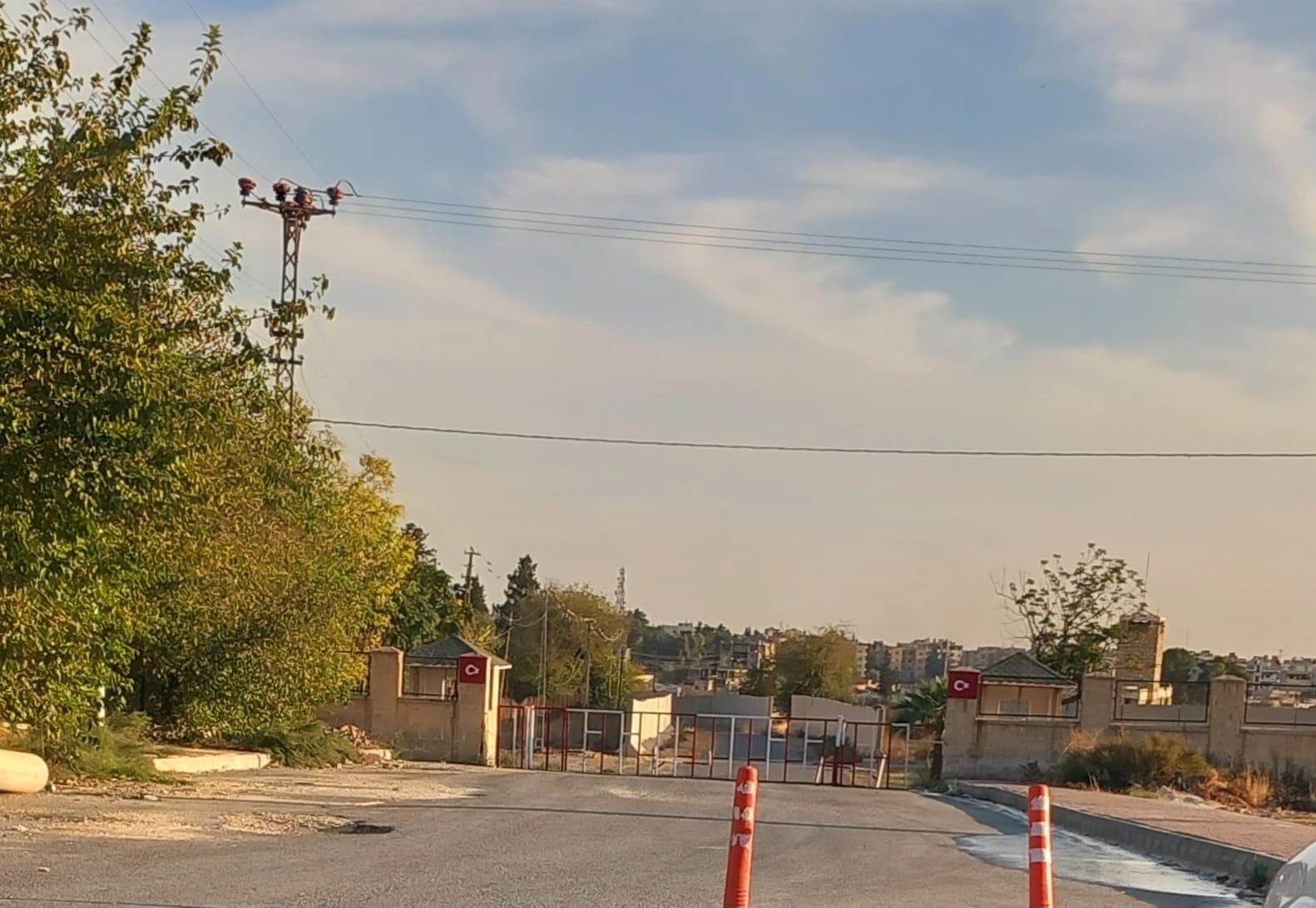
ERBIL, Kurdistan Region - The family of a Kurdish father of six appealed for help on Sunday after he and his driver were abducted by an unknown armed group while working near Menajir (al-Manajir) and Sari Kani (Ras al-Ain) in Hasaka province in northeastern Syria (Rojava) earlier this month. Relatives say the kidnappers are demanding a $60,000 ransom.
Mohammed Qadir, 52, and his driver, Wiso Hoshan, 25, disappeared almost two weeks ago on July 14. Mohammed’s daughter, Rola Qadir, told Rudaw's Shivan Mesi that the family lost contact that day and learned only a week later of their abduction.
"My father and his driver were working on a backhoe [machinery] between Menajir and Sari Kani, digging wells. On July 14, communication with them was cut off," she told Rudaw. "A week later, word reached us that they were missing, having been abducted by an unknown group."
The family said the abductors later sent photos showing both men bound in chains as well as voice messages of them pleading for help. According to Qadir, the kidnappers demanded a $60,000 ransom.
The case has renewed concerns about kidnappings and extortion in parts of northeast Syria, where civilians, particularly those working in remote areas, are exposed to criminal gangs.
Qadir said her family was devastated after receiving the images.
"A father is the backbone of a family," she said. "We never believed our father would fall into this cruelty, be bound in chains, and that photos would be sent to us. Who could pay $60,000?"
Lawyer and human rights advocate Ewas Eli said the abduction was not an isolated incident, describing kidnapping and extortion as serious crimes under domestic and international law. He urged authorities to protect civilians and hold those responsible accountable.
Security remains a primary concern despite the political transition following the fall of Bashar al-Assad's government in December 2024.
International organizations and rights groups warn that weak state control, intermittent clashes, and the legacy of the war continue to leave civilians vulnerable to kidnappings, extortion and organized crime in parts of the country, despite efforts by the interim government to rebuild state institutions.
CORRECTION: A previous version of this article wrongly reported that the kidnappers demanded a $600,000 ransom. The actual amount, as stated by the family, is $60,000.